Read, share, inspire

Read our latest interior design guides, tutorials, and how-tos.

Thank you! Your submission has been received!
Oops! Something went wrong while submitting the form.
No Category
5 Best Apps for Interior Design Layout
February 23, 2023
All Items

Whether you're a real estate agent selling a property or a homeowner building your first house, a floor plan is essential for an excellent interior design layout. A floor plan shows a bird's eye view of the space's layout. People rely on floor plans for fully-functional home or office design, from fixed installations like cabinets, lighting, and bathroom fixtures to stairs, walls, and doors. But what is a floor plan? What are the benefits of creating one? And what are some top apps and software? Everything will be covered in this quick guide.

What is a floor plan? 

A floor plan is a drawing that shows the layout and relationships of spaces, rooms, furnishings, and fixtures. These drawings are typically viewed from above to let people visualize the foot traffic in their areas. 

An interior design layout enables people to check if the space, furnishings, and fixtures are functional for their intended purpose. It also lets people see if the current layout is aesthetically pleasing. 

This is exceptionally beneficial for people who are building or renovating a home. It allows them to asses the needed furnishings and fixtures before buying said materials and building. Floor plans are created with free or paid 2D, 3D, or even 5D apps and software that are easy to use!

Benefits of Floor Plans

Architects and anyone in the construction niche use floor plans to envisage the interior design layout. Aside from this, here are the many benefits of creating floor plans:

  • Shows accurate dimensions and measurements of the space, so people buy the right-sized furnishings 
  • Serves as a valuable guide for people who want to take over the space (Example: buyers in the real estate industry)
  • Reduces errors in building and placement during building execution 
  • Allows you to experiment with various interior design layouts for a visually appealing and functional space
  • Helps homeowners determine the most utilitarian furniture placement
  • Enables you to see circulation, relationships, and barriers between fixed installations, furnishings, accessories, etc. 
  • Encourages clear communication and easy collaboration between people in the construction and interior design industries

5 Best Apps for Creating an Interior Design Layout

An interior design layout or floor plan can be made in 2D, 3D, or 5D. And you can choose from many floor plan apps with pricing that suits your budget. 2D refers to a flat design, void of depth and perspective, while 3D shows height and perspective. You may also choose apps that let you build in 4D or 5D, which offer more realistic layout models. 

Here are a few you can start with:

1. RoomSketcher

RoomSketcher website screenshot

With RoomSketcher, you can easily import a blueprint or create a floor plan from scratch. If you find this troublesome, you can work with RoomSketcher's professionals, who make everything for you. You may print to scale and download interior design layouts in any format. Plus, you can even convert 2D to 3D with only one click!

2. Foyr Neo

Foyr Neo website screenshot

Over 50,000 amateur and professional designers worldwide rely on Foyr Neo. This software offers top-notch AI-assisted features like color wizard, automatic shopping lists, and more. This platform requires zero learning curve, which means anyone can use this tool to create floor plans. You only have to upload a floor plan from scratch and drag and drop from over 60,000 3D models to add the elements. Lastly, you can render in 4K in less than 10 minutes.

3. Home Design 3D

Home Design 3D website screenshot

One of the leading players in the interior design niche, Home Design 3D received commendations from The Guardian, Le Figaro, The New York Times, Buzzfeed, and other top digital magazines worldwide. It offers an intuitive and user-friendly application that is accessible to everyone. Access over 2,500 customizable furniture pieces, materials, and accessories to make your projects easy and fun!

4. Planner 5D

Planner 5D website screenshot

The Planner 5D software is a user-friendly 2D/3D interior design layout tool. It helps you visualize your space in HD, showing in-depth details and realistic images. You can access over 5,000 items in their catalog to fill your floor plan. Plus, the platform offers an affordable rate if you wish to work with one of their professional designers. And this also comes with unlimited revisions!

5. Magic Plan

Magic Plan website screenshot

Magic Plan is an easy-to-use floor plan tool that lets you generate field reports, share floor plans, and create estimates. It makes for a seamless collaboration with your team by understanding what's happening on-site. Its reporting feature lets you add 360-degree images, photos, markups, custom forms, and more. 

Wrap Up

Viewing your interior design layout is recommended to prevent errors and any back and forth when the building commences. Since some floor plan apps are free, it doesn't hurt to try one before regretting buying furniture that doesn't fit in your space. However, if you need assistance creating floor plans, working with Spencil professionals is your best bet. Visit our website now and speak with an expert.

Featured Image: Photo by Pexels from Pixabay

No Category
7 Essential Interior Design Elements When Decorating Your Home
February 15, 2023
All Items

Unless you're hiring a professional interior designer, you no longer need to consider the big and small details of home decoration. But since you landed on this blog, I suppose you're taking the DIY route and wondering what these design elements are. Interior design requires a few factors to strike a balance in your space. You want to make your space look like they're enjoying the company of all components of your furniture, lighting, accessories, and whatnot. So let's start with these seven interior design elements you must consider when decorating your home. 

1. Space

Space is the first element to consider when decorating any room. Without it, you have nothing to work with. And without assessment, you'll encounter trouble and some back and forth down the road. 

Space is considered three-dimensional, which includes the room's height, length, and width. Depending on the functionality you want to achieve, you want to complement these three dimensions for a better visual outcome. For instance, if you wish to achieve a more heightened visual, display tall bookshelves to lead the eyes upwards. 

To make the space wider, you can paint the wall white or feature mirrors to reflect lighting. 

Overall, space requires balance in both negative and positive spaces. The former refers to empty spaces, and the latter pertains to areas with furniture or accessories. Maintaining balance between negative and positive spaces makes for better functionality and aesthetics.

2. Color

Photo by Robert Katzki from Unsplash
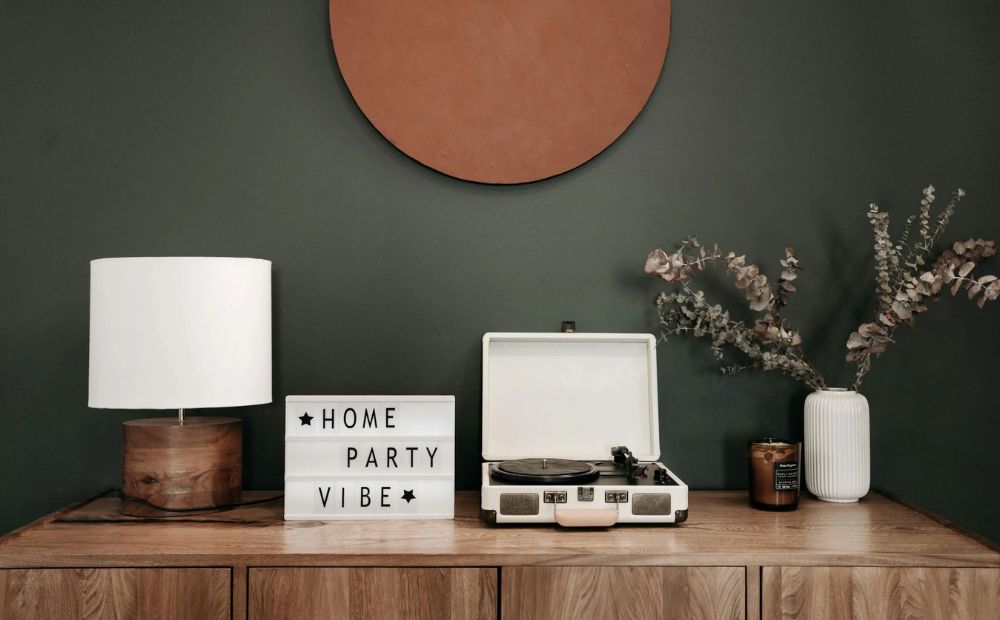
The next element to consider is color. Colors are powerful components in interior design as they evoke emotions and alter perceptions. They also set the mood in your room and create unity within your furnishings. 

You must refer to color psychology when selecting color palettes for any room. For example, blue and green promote calmness, which is suitable for the bedroom. On the other hand, red stimulates appetite, which might be ideal for the kitchen. 

When choosing colors for your space, it's crucial to see how the lighting affects it. A rule of thumb in small spaces is to use lighter or brighter colors to make them appear bigger. 

3. Lighting

Another vital interior design factor is lighting because it can unify all components in a room. Lighting is classified into three: Ambient lighting, accent lighting, and task lighting. 

Task lighting should consider the purpose of the space under it, which is suited for home offices. Accent lighting emphasizes objects, statement pieces, or focal points in any room. Finally, ambient lighting sets the mood and atmosphere of your space, which can be suitable for your living room or bedroom.

4. Line

Photo by Angelo Pantazis from Unsplash
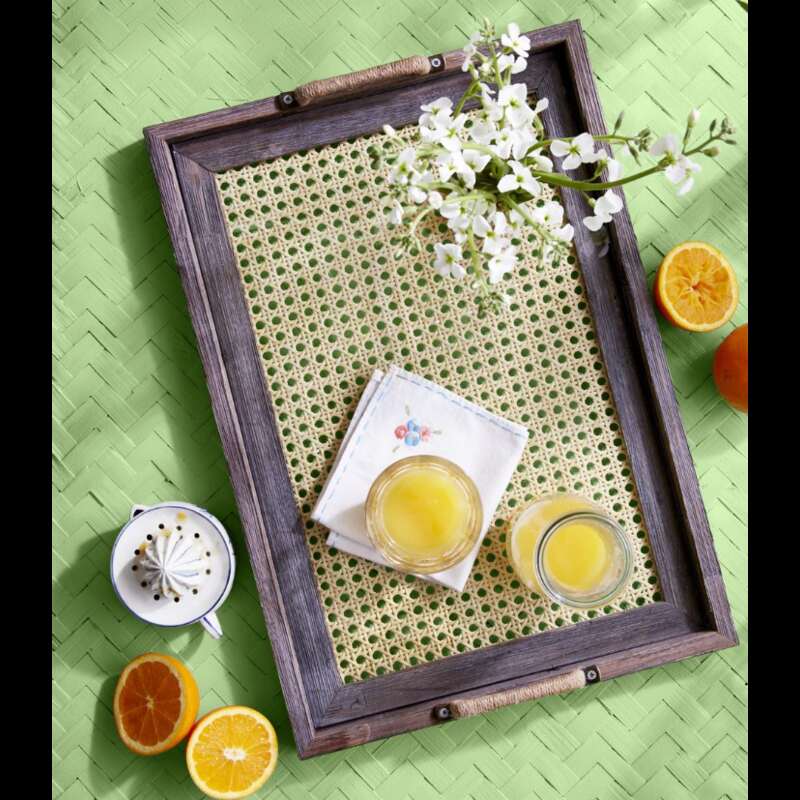
Your space should maintain a balance between various lines, such as vertical, horizontal, and dynamic lines. Horizontal lines refer to lines from furnishings like sofas and chairs. On the other hand, vertical lines are from your tall furnishings like bookcases, doors, or windows. Finally, dynamic lines are the curves, zigzags, and diagonals in your space, which can be your stairs or nooks. 

Balancing all three varieties to create harmony in any room is essential. Too many horizontal lines may dull your space, while overpowering vertical lines make people uneasy due to seemingly higher ceilings. Finally, too many dynamic lines break the calmness and unity of both vertical and horizontal lines.

5. Form

Forms consist of the shape of the room and the objects displayed in it. This is categorized into two: natural and geometric. The former refers to the shapes created by nature, like plants, while the latter dwells more on man-made shapes, like furniture. 

Considering scale and proportion is highly recommended when designing with form. Ensure similar forms or shapes are repeated throughout the room in small objects to prevent a confusing visual outcome. 

6. Texture

Photo by Ifrah Akhter from Unsplash

One of the most overlooked interior design elements, texture plays a vital role in creating depth in a space. It pertains to an object's finish and can be classified into actual and visual textures. Actual texture refers to the tactile sensation of an object, such as a soft velvety cushion.

On the other hand, visual textures are only perceived by the eyes. Textures give a room personality and feeling, so adding this to your space is essential.

7. Pattern

Like texture, patterns can liven up a room in an instant. When matched with proper color schemes, patterns can draw attention positively. These can be in the form of rugs, fabrics, wallpapers, or soft furnishings. 

When choosing patterns for your space, ensure you stick to three patterns, as more than that can create chaos. Also, it's best for all patterns in your room to base on the same color palettes. 

Conclusion

When designing your space, going for the DIY route is easy if you consider these seven elements. The last thing you want is an overwhelming space with the wrong colors, patterns, and some lacking textures and lighting. If you need help creating the most visually pleasing and functional space, contact Spencil's experts, and we'll guide you throughout the design process.  

Featured Image: Photo by Designecologist from Pexels

No Category
The Best Interior Design Color Schemes for Your Home
February 7, 2023
All Items

Designing your room isn't simply adding furniture and decor. One thing people overlook is color. At first, it may seem irrelevant, but color brings harmony to your room or space. It's important to consider this when putting your space together. And to help you get started with color, learn more about interior design color schemes here.

What Are The Different Color Schemes?

Photo by Annie Spratt on Unsplash

We're going to get technical here and talk about color theory. It's essential that we discuss this briefly so we have a better understanding of what color schemes would work best.

The best way to approach this is the color wheel. With the color wheel, you'll notice the progression from one color to another. Aside from that, you can mix and match specific colors to one another. But how do you determine which colors go best together?

  • Monochromatic - This color scheme refers to one color. But you can adjust its hue or tones to consider it monochromatic. Think of it in this manner. You want to choose blue for your space. You can have white, light blue, sky blue, navy blue, and dark blue colors.
  • Analogous - Analogous colors use adjacent three to five colors or hues. For example, if you use red, you can use pink, red, orange, yellow, and green.
  • Complementary - Complementary colors are those on the opposite sides of the wheel. For example, you can go for red and green or purple and orange. Split complementary is another color scheme to pick. It's a combination of analogous and complementary.
  • Triadic - As the name suggests, these are three colors in high contrast and are equally distant. One great example of this is blue, green, and orange.
  • Tetradic - Another major color scheme to try is the tetradic or square one. Similar to the triadic, the tetradic are four colors evenly spaced from one another. An example of this is purple, blue, orange, and green.

How Do You Choose A Color Palette?

Photo by Helena Lopes on Unsplash

If thinking about these interior design color schemes makes you dizzy, don't fret. You can use color palette generators. Here are our top picks:

  • Coolors
  • Color Hunt
  • Adobe Color (recommended if you want to try various color schemes for a certain color)
  • Paletton
  • ColorKit

5 Examples of Popular Interior Design Color Schemes

1. Neutrals

Photo by Vecislavas Popa on Pexels

Neutrals are a classic interior design color scheme. 

You can throw in beige, cream, ivory, and brown and you have a neutral color scheme. This color scheme is popular for a boho aesthetic. But you can still make your room pop with greens, pinks, and blues. Plants are a great addition to this color scheme.

Gray is another neutral color to try if you want to try a modern or minimalist style. You could use gray on the walls, bedsheets, and pillows. Then add white or beige to your room to add contrast.

2. Blue

Photo by Kenny Eliason on Unsplash

With blues, you can pick various interior design color schemes. Monochromatic would be a popular choice because it brings a calming effect to your room. And it's the best for coastal or Mediterranean styles. Although blue is great for a monochromatic style, you can use an analogous or complementary color scheme to add brightness and vibrance to your room.

3. Green

Photo by Spacejoy on Unsplash

A green color scheme is another alternative for a calming atmosphere. If you want a bolder style, dark or emerald green can do the trick. But if you want to achieve a relaxing vibe, pastel green is the best. Green is the go-to color for art deco styles. But you can add green to a modern or eclectic style too. You can pair this color with beige or tan to balance the space.

4. Pink

Photo by Erik Mclean on Unsplash

Pink is a favorite of many interior design experts. The lighter hues, in particular, are the best for most bedrooms. You don't have to paint it on your walls, especially if it's too feminine for your taste. Instead, you can use it on your furniture or decor. You can use pink in chic, eclectic, or bohemian styles.

5. Yellow

Photo by Croissant on Unsplash

Despite its brightness, yellow is another choice for many interior designers. Yellow brings color and warmth to the room. But it can be overwhelming since it's too bright. You can use this as an accent color instead. Or, you can add yellow to the room via decor or furniture.

According to Jennifer Agus in her interview with HGTV, yellow can be tricky. But you can mix it with white, brown, or orange.

Final Thoughts

Choosing a color scheme can be challenging if you have no experience mixing and matching colors. But interior design experts have used tried and tested color schemes perfect for any style and ideal for any preference. Alternatively, if you want to try it yourself, you can use a simple color palette generator to give you an idea of what color schemes will be perfect for the space you want to design.

Featured image credit: Pixabay on Pexels

Uncategorized
How to Design a Corporate Office that Pays for Itself
February 2, 2023
All Items

Whether you're looking to go traditional, innovative, or somewhere in the middle, a fresh office design can transform your space. Not to mention, it can raise morale, productivity, and even how your employees perceive your business. Needless to say, there are countless upsides to redesigning your workspace. In this post, we outline how to design a corporate office space that pays (yes, pays) for itself.

Have you or your employees felt tense, stressed, or like you're not getting enough done? Pushing harder is most people's go-to solution, but a much-needed change in your environment can be far more effective. Maybe it's not how much work you do, but how you do your work that counts.

Past Gallup surveys have shown that low employee engagement is a major problem, and the 2022 survey isn't much better. Employees are disengaged at work and something needs to change. But what does this have to do with your office design?

It's often said that how you do one thing is how you do everything. Similarly, the energy you cultivate in your office bleeds out into everything else you do. A stagnant office means stagnancy in client work, cashflow, or even just good ideas. 

Features of a good workspace include:

  • Room for both collaboration and solitary work
  • An area to de-stress and take a break
  • Natural light
  • Comfortable seating
  • Updated technology
  • Noise control or sound-proofing

Choose Designers

Image Credit: David Fintz from Unsplash

If you don't want the hassle of DIY corporate office design, teaming up with an expert is a good first step. If you're DIYing, you'll have to figure out each step alone or with your team. But if you're working with designers they can walk you through all the steps below.

Interior designers work with your ideas and must-haves to create the workspace of your dreams. Learn more about working with Spencil designers.

Figure Out Your Budget

Your budget is obviously a big component in any office redesign. But contrary to popular belief, a smaller budget doesn't have to mean a mediocre space. You don't have to make huge compromises and settle for something you feel lukewarm about. Instead, learning how to design a corporate office is about putting your money to work for you. 

Measure Your Space

Making decisions will be a lot easier if you have at least a rough size estimate. If you're thinking about buying new furniture, having detailed measurements will streamline the selection process. When your furniture is too small, it gets lost in your space. When it's too large, it dominates and leaves little room for much else.

Pick a Style

Now comes the fun part. Get clear on what you like and what you don't like. If you're unfamiliar with different design styles, now is the time to get acquainted. This will help you communicate with designers or other helpers to really nail the look you're going for.

Research shows colors impact our mood and behavior, so they can be used strategically in our work environment. Once you settle on a color scheme, you can begin choosing key decor and furniture pieces to match. If the nitty gritty details don't interest you, you can also outsource these decisions to a professional designer.

Clean and Declutter

Image Credit: Toa Heftiba from Unsplash

To prepare for a brand new space, the clean-out stage is necessary. Anything that doesn't jive with the new look and feel you're aiming for must go. Much of what allows a space's natural charm to come through is spaciousness. In other words, your space need not be jam-packed with stuff to make a good impression on visitors.

Style the Space

This is the other fun part of designing a corporate office. Once you start bringing new pieces of furniture and decor into your space, it starts to transform. At this point, you begin to test out certain furniture and decor placements to see what looks the best. 

Add Natural Elements

Natural elements put the finishing touch on any office. Nature brings life and freshness to the indoors. Many plants help purify the air and create a cheerful atmosphere. Studies have even shown that plants increase productivity

Having fresh airflow is also a natural element to incorporate. This keeps food odors from stagnating, and yes, it even supports your bottom line. Research by the World Green Building Council showed an 11% increase in productivity when fresh airflow was increased and pollutants removed. 

If you want to jazz up your space further, a water element can be a nice addition. Things like fountains and fish tanks add their own aquatic energy to an office. 

Get the Office of Your Dreams with Spencil

Designing a corporate office isn't rocket science, but you might not have the time, budget, or design know-how to get it done on your own. This is the value of working one-on-one with a project manager and architect to bring your vision to life effortlessly.

Interested in learning more about how to design a corporate office space? Check out some of Spencil's interior designs for businesses.

Featured Image Credit: 仲崇军 from Pixabay

No Category
7 Must-Have Interior Design Pieces for Your Home and Office
February 1, 2023
All Items

Designing and decorating your home or office space is a great way to show off your personality. And what better way to present that than through interior design pieces? But which pieces should you own for your home and office? Here are the best ones!

1. Furniture

Photo by Mo Eid on Pexels

An essential interior design piece of them all is furniture. A room, home, or office space would be incomplete without it. That said, you need to be selective with furniture, especially if you want to follow a particular interior design style

At home, you don't want to forget the basics, such as the bed in your bedroom and tables and chairs in the dining area. If you have a home office, make sure you have a desk and a comfy office chair. You don't have to go overboard with furniture, especially if you have a small home workstation.

Meanwhile, office furniture can be tricky. After all, it's your company that could dictate what design style they are using. Plus, you might not have creative control over your office. But you can't go wrong with neutrals.

Here's where to buy furniture:

  • Ikea
  • West Elm
  • Pottery Barn
  • Burrow
  • Dot & Bo

2. Wall Art

Photo by Vinicius "amnx" Amano on Unsplash
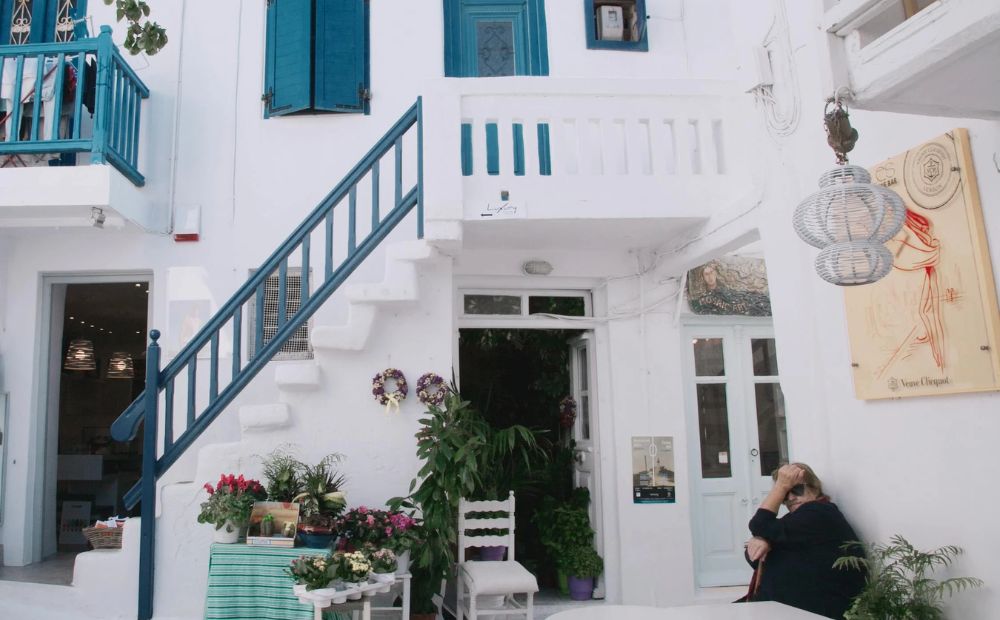
Although wall art isn't for everybody, wall art adds texture and is the best way to show your personal tastes. Plus, you can pair wall art with your furniture. But that's not the only benefit of adding wall decoration. Experts say that wall art promotes better mental well-being since you can feel relaxed after looking at art.

And if you want to add even a small piece to your home or office, here are the best places to purchase your new piece:

  • Etsy
  • Society6
  • Anthropologie
  • World Market
  • Rifle Paper Co.

3. Light Fixtures

Photo by wu yi on Unsplash

Health experts agree that natural light is good for you and your home or office. But any space isn't complete with light fixtures to illuminate your room as the sun goes down. Aside from your good old ceiling light, lamps are excellent additions for accent or task lighting. The best thing about buying these fixtures is you don't have to match them to your preferred interior design style. However, you can splurge on a few to match your overall space.

If you want to start browsing for light fixtures, here's where to get them:

  • Wayfair
  • Schoolhouse
  • Ikea
  • Lamps Plus
  • Home Depot

4. Curtains

Photo by Cassidy Mills on Unsplash

Curtains are essential pieces too. Even though you need natural light indoors, curtains are a great way to control the amount of light coming into your room or office. You can go with neutral colors for any design style. But if you prefer a bolder look, vibrant colors are great for adding dimension and brightness to your room or office space.

If you want to get curtains, here's where you can browse for them:

  • Pottery Barn
  • The Shade Store
  • Target
  • Pepper Home
  • Overstock

5. Storage

Photo by Spacejoy on Unsplash

Storage has a more functional purpose than aesthetics. After all, you don't want distracting clutter in your room or office. That's why storage is one of the must-have interior design pieces.

However, you shouldn't miss out on this piece when decorating or designing your space or workstation. You can buy something as simple as decorative storage boxes to complete your space's look. But if you have more room for shelves and cabinets, these are fantastic choices too!

Here are the best places to buy storage boxes, shelves, or cabinets:

  • Ikea
  • Apartment Therapy's Bazaar
  • Amazon
  • Walmart
  • The Home Depot

6. Rugs

Photo by Sven Brandsma on Unsplash

Rugs are also a must-have interior design piece at home or in the office. These interior design pieces can provide variety and color to your room, warm your space, and reduce noise. The best practice when buying rugs is to consider the design style of your space. This way, you'll have a cohesive look from top to bottom.

If you want to get a rug, here's where you can buy one:

  • Rugs Direct
  • Revival Rugs
  • Ruggable
  • Rugs.com
  • AllModern

7. Plants

Photo by Spacejoy on Unsplash

Plants are one of the best decorative pieces, especially if you're cooped up in your room or office all day. Not only do plants bring aesthetic value, but it's also beneficial to your health and well-being, such as improved air quality and better focus.

You can purchase a low-maintenance indoor plant to start. Peace lilies, snake plants, and ZZ plants are the best for beginners. These plants don't require that much light and water. You can place these plants near your desk at work, on a shelf, or on the floor in your room.

Here are the best sites to buy your new plant:

  • Bloomscape
  • The Sill
  • Amazon
  • Etsy
  • UrbanStems

Featured image credit: Collov Home Design on Unsplash

Interior Designers
Lessons We Can Learn From The 5 Famous Interior Stylists
January 17, 2023
All Items

How do interior design magazines make their images so appealing? Most inspiring interior designs reflect personal style. The genius behind those creative projects is an interior stylist. 

Interior stylists handle styling a room for a photo shoot for an editorial or commercial project. They are experts in ensuring every angle is picturesque. They carefully consider every aspect of the shot, from the furniture to the decor to the flow of space. In short, finishing touches are the expertise of these interior specialists. They can aesthetically arrange a room, like within a home or an office, or style products for a commercial photoshoot, like kitchenware or furniture. Read on as we discuss how interior stylists transform a home or office.

Why Do You Need an Interior Design Stylist? 

Photo by Lotus Design N Print on Unsplash

If your office space or home is almost finished, but something needs to be fixed, or you need help promoting your product, an interior stylist can help. A styling professional knows how to make furnishings look pretty, whether for personal or commercial purposes. Instead of searching for thousands of sample designs or layouts online, you should contact an interior stylist near you. 

An interior design stylist can assist you in different situations, including the following:

  • A home or office is near completion and fully or semi-furnished.
  • Time and budget constraints are an issue.
  • It would help if you had recommendations before making changes to your interior design.
  • A business needs product photos that attract the attention of its target market.
  • It would be best if you finalized your ideas before designing your home or office.

Lessons from Top 5 Interior Stylists

There are plenty of interior stylists for magazines, homes, and the web with their exceptional creations. We admire their keen eye and magic touch. Here are five of your favorites from whom we can learn interior decorating and styling tips.  

1. Emily Henderson

Blogger Emily Henderson turned her website into a daily inspiration for interior design enthusiasts. Emily and her team write on various topics like window treatment, renovations, and more.

Contemporary farmhouses with a touch of Scandinavian minimalism are typically seen in rooms styled by the Henderson team. In addition, they blend neutral, precision, and nautical blues well. Because of that, the rooms exude a calm characteristic making it easy to identify a room arranged by Emily Henderson and her team. 

2. Sonia Carlson

Sonia Carlson applies her academic background and experience in interior design and architecture to her creations. Her portfolio includes consulting for high-end corporate projects, new construction, residential and commercial remodels, and boutique hotel and restaurant designs.

Sonia's favorite style is eclectic and modern, with a touch of mid-century Scandinavian. She draws inspiration from her Norwegian and Swedish roots to style spaces that are unique, global, and rich in culture. Sonia enjoys working with clients and prioritizes them. She believes that all designs should be motivated by getting the best results for her clients' sake!

3. Julia Green

Julia Green is the Founder of Greenhouse Interiors. She set out on a life-changing career change more than ten years ago. Today, Julia is among the most famous interior stylists in the world. Her team understands what interests interior design lovers. Likewise, they also offer concept development, styling, art direction, and set design.

Art-filled spaces promote Greenhouse Interiors' support of local artists and innovative design. The team also hosts workshops and talks on radio and TV as expert interior stylists. And recently, they took the chance to integrate interior styling with an online shop. 

4. Sophie Robinson

Sophie Robinson is an interior stylist who is crazy for color and knows how to stand out and banish beige. Scrolling through Sophie's website makes it easy to be drawn into her vibrant and fascinating home right away. Besides, she always showcases the latest designs and artwork by new and upcoming artists and crafters because they keep Sophie's interior styling more exciting. 

5. Joanna Gaines

Joanna Gaines is a co-founder of Magnolia and also a co-star of HGTV's Fixer Upper. This Kansas-born designer finished a degree in Communications but found her true passion in interior design during her internship in New York. From the home decor market stall, Joanna manages a successful interior design business today. Her signature style greatly reflects her appreciation for the traditional, more straightforward ways of living.

Conclusion

Finding an interior stylist who fits your style can take time and effort. Fortunately, getting help can be easier and faster than you think. Interior stylists know you can convert your space from boring to fabulous by pulling together those finishing touches. 

Featured image credit: Max Vakhtbovycn on Pexels

No Category
10 DIY Interior Design Ideas To Inspire You
January 17, 2023
All Items

Only some people can afford to hire a professional interior designer to create a well-coordinated design. Besides, many property owners want to be the ones who decide and apply their style. Let's look at how to design and decorate your rooms into a space you once thought only experts could create. These DIY interior design ideas will help you pull off the look you've ever wanted without the hefty designer's fee. 

1. Roll Out a Rug to Add Texture

Photo by İbrahim Doğan on Pexels

Choosing the right rug will add texture and tactility to the floor, transforming the room's vibe. For instance, green area rugs draw inspiration from the colors of nature and look great in tropical, vintage, and Persian rug styles. The mid-century modern sage green rug in the kitchen provides a fresh pop of color while balancing out the warmer pink tones, offering a modern update on a retro palette.  

2. Add Big Statement Furniture Pieces

Photo by  Curtis Adams on Pexels

This DIY interior design idea is simple to adopt. Put a large sofa and one or two smaller chairs with attractive colors. This is just an example, but it allows you to mix furniture styles and sizes to make your space more balanced - not too bulky or crowded. 

Even if you are styling a small apartment, several decorating ideas exist. You can have at least one large statement piece, like a large armoire or cabinet. A combination of big and little is key to a successful interior design. 

3. Use Stylish Wicker Baskets

Photo by  Đậu Photograph on Pexels

Use woven baskets in your home or office decorating project if you want a more rustic approach. Baskets are great decorative items for additional storage. You can buy seagrass basket from home furnishing shops like a Pottery Barn. But instead of storage, it was used to hold a decorative indoor plant. 

4. Make it your Own 

Photo by  Curtis Adams on Pexels

Since it's your own space, interior design has no rights or wrongs. Everyone can design their own rooms. Considering the latest trends is worthwhile but always put your preference to make it extraordinary. The dining area in our example features mismatched chairs, making it more personalized and unique. 

5. Consider Colors and Fabrics 

Photo by Houzlook .com on Pexels

Experiment with the colors you want to use for the walls or wallpapers, furniture, curtains, and blinds. Professional interior design companies often recommend that three colors are better than two. The third color could highlight cushions, bed quilts, lampshades, or accessories like a tablecloth or a painting. 

6. Transform Old to New

Photo by Charlotte May on Pexels

Interior design is more manageable If you have a blank canvas. But for DIY interior design, we must work with existing furniture, rugs, or other accessories. Look closely at the old furniture and think about how to give it a new life. Take inspiration from a vintage cabinet repurposed into a stunning bathroom vanity. You can find the complete tutorial on this project by reading this blog

7. Measure the Furniture

Photo by Lotus Design N Print on Unsplash

Decide on the furniture you want in your room. Think about the dimensions. In an ample space, you need a big sofa and footstool. On the other hand, you need a bedside table in a small to average-sized. It is best to remember that even a small room should have one statement piece. More importantly, balancing large and small pieces creates an appealing space.

8. Go For Bold Paint Ideas 

Photo by HomeLane .com on Pexels

The key to modern interior design is to embrace the paint color that works for you. There are no definite rules for painting walls, headboards, and door frames. Plus, ceilings are not always painted in brilliant white. Well-known interior designers are against it. Using the right color can make the room look larger, too.

9. Fill a Room with a Signature Scent 

Photo by Beyzaa Yurtkuran on Pexels

Draw inspiration for hotel-style decorating tips and give your home a signature fragrance. It is an incredible technique that can transform your home atmosphere. Apply this DIY interior design idea using scented candles, diffusers, essential oils, or herbs. For example, lavender plants give your home a signature scent and promote positive energy. 

10. Add Finishing Touches

Photo by Kam Idris on Unsplash

Rugs, lampshades, paintings, cushions, and plants are some of the accessories that can make a huge difference. Take inspiration from this geometric-patterned floor lamp. This modern lamp has two shelves that can store books, frames, etc. Create an updated industrial vibe in your room by adding finishing touches like this. 

Conclusion

Now that you know how to adopt DIY interior design, it's time to implement these ideas. Along with a few more inputs from interior design tips for beginners, you can confidently do interior design on your own. Whether you prefer minimalistic, vintage, rustic, or more, you can apply these ideas to add interesting touches to any room and make it uniquely yours.

Featured image credit: Huseyn Kamaladdin on Pexels

No Category
10 Accent Interior Design Ideas to Inspire You
January 16, 2023
All Items

Interior design can be a difficult and time-consuming endeavor, more so if you are starting from scratch. It can be challenging to decide on a style and color scheme and to find the right furniture and accents to bring your vision to life. That's why we've created this list of 10 accent interior design ideas to help inspire you as you create the perfect space. From bold colors and patterns to unique furniture pieces, these accent ideas will help you create an area that is truly your own.

But first, what are accent interior designs?

Accent interior designs are elements that add interest or emphasis to a room. These elements can include items such as colorful throw pillows, bold artwork, or decorative rugs. The goal of accent pieces is to add personality and character to a space and make it feel more welcoming and cohesive. Some other common accent design ideas include:

  • Adding plants or flowers to a room brings in a natural element and gives it a welcome pop of color.
  • Using patterned wallpaper or a feature wall to create a bold visual statement.
  • Incorporating metallic accents, such as brass or gold fixtures, to add a touch of glamour.
  • Using colorful or patterned window treatments to add a playful touch to a room.
  • Adding texture using various materials, such as wood, stone, or fabric, gives a space depth and interest.

10 Accent Interior Design Ideas

And as promised, below are ten accent interior design ideas to help you create a space that you will truly love:

1. Throw Pillows

Photo by Merve Bayar on Pexels

A great way to add a pop of color to your interior design is to use throw pillows. Whether you go bold with bright colors and patterns or subtle with neutral tones, throw pillows are an easy and affordable way to make a room feel fresh and inviting. Use them to tie together different design elements or add extra comfort to a seating area. 

2. Wallpaper

Photo by Max Vakhtbovycn on Pexels

 One of the most versatile accent interior design ideas to consider is wallpaper. From traditional floral patterns to bold geometric shapes, wallpaper can create a focal point or add subtle texture to a room. It can also add a touch of whimsy or a hint of nostalgia. Use it to cover an entire wall or just a portion, such as the back of a cabinet or the ceiling of a room. Wallpaper can help to add personality to a space, making it a great accent interior design idea to explore.

3. Wall Hangings

Photo by RDNE Stock project on Pexels

 If you're looking for an easy way to add interest and texture to any room in your home, wall hangings are your best bet. From tapestries and woven pieces to beaded and macrame options, there are plenty of beautiful accent pieces to choose from. Hang them up on a wall or over furniture to inject a pop of color and personality into any space. For a more contemporary look, try hanging up a gallery wall of photos, art, and other items that can be arranged in different ways.

4. Lighting 

Photo by Etienne Girardet on Unsplash

The proper lighting can set the tone for any room and create a mood. There are many different lighting types, such as ambient, task, accent, and decorative lighting. It can highlight a particular area, draw the eye to a specific piece of furniture, or even create a more intimate atmosphere. Accent lighting is a great way to add personality to your interior design and build an inviting atmosphere in any space.

5. Rugs 

Photo by Sina Saadatmand on Unsplash

Another great accent interior design item is the rug. Not only does it add warmth and texture to a room, but it can also be used to brighten up a space. You can use bold colors and patterns to add a pop of color and contrast to an area or a more subtle rug to create a cozy, inviting atmosphere. You can also layer rugs to create depth and interest in any room. 

6. Mirrors 

Photo by Elena Kloppenburg on Unsplash

Add beautiful accents to any room using mirrors. They reflect who you are and can make a room look larger and brighter. Mirrors can create an illusion of space and draw attention to a certain area of the room. They also work great as a focal point for a room, with their reflective surface providing an exciting contrast to the surrounding area. They can be hung on the wall, placed on the floor, or even mounted on the ceiling. 

7. Fabrics 

Photo by Minh Pham on Unsplash

Fabric is an integral part of accent interior design. It brings a room to life and adds a touch of personality to your space. Whether you opt for bold and bright prints, subtle and classic solids, or a combination of both, fabrics can create a unique look. Consider using patterned curtains, upholstered furniture, textured rugs, and accent pillows to create a fun and inviting atmosphere. Not only will this make your home more inviting, but it will also add visual interest. 

8. Greenery 

Photo by Andrea Davis on Pexels

Plants have been gaining popularity in interior design, and for good reason. They add a fresh and vibrant touch to any space and are an easy way to add texture and color. Not only do plants bring life to a room, but they're also incredibly versatile. You can put them in hanging baskets, shelves, or wall planters. If you're looking for a way to spruce up your space and bring the outdoors in, consider incorporating some greenery into your home. 

9. Accessories 

Photo by Meyra on Pexels

Think about adding wall hangings, artwork, throw pillows, and rugs to your room to create a fashionable look. If you want to make a statement, try a statement piece like a bright armchair or a large painting. You can also add color to your room with throw blankets or an area rug in a bright color or pattern. Accessories like lamps, vases, and planters can add depth and interest to your space. With some thoughtful accents, your room can be transformed into a more modern and stylish space.

10. Artwork

Photo by Jonny Caspari on Unsplash

Another great way to incorporate color and texture into your interior design is through artwork. Start by finding some in colors that match the room's overall color scheme. If you have a neutral color scheme, consider brightening it up with a pop of color in the artwork. You can also create a focal point in the room with larger art pieces or hang several smaller pieces together for an attractive gallery wall. 

Final Thoughts

Interior design is an art form that has evolved, and it doesn't take much to give your home a unique and beautiful look. Whether you want to add a few accent pieces or completely transform your interior space, these ten interior design ideas will give you the inspiration you need to create a stunning space that reflects your style and taste. From bold colors and modern furniture to custom wall art and statement pieces, these ideas will help you create a space that will be admired for years.

Featured Image: Photo by Samantha Gades on Unsplash

No items found.