Read, share, inspire

Read our latest interior design guides, tutorials, and how-tos.

Thank you! Your submission has been received!
Oops! Something went wrong while submitting the form.
No Category
Salon Interior Design: Key to Nail Salon Success
September 6, 2024
All Items

When you step into a nail salon, what's the first thing you notice? Is it the soothing atmosphere, the elegant decor or the general vibe that makes you feel relaxed? The interior design of nail salons is very important in forming these first impressions. The design of your nail salon has an impact on your business success that goes beyond aesthetics. In this blog, we'll explore the importance of nail salon interior design, as well as how it affects revenue, customer experience, and brand.

First Impressions Matter

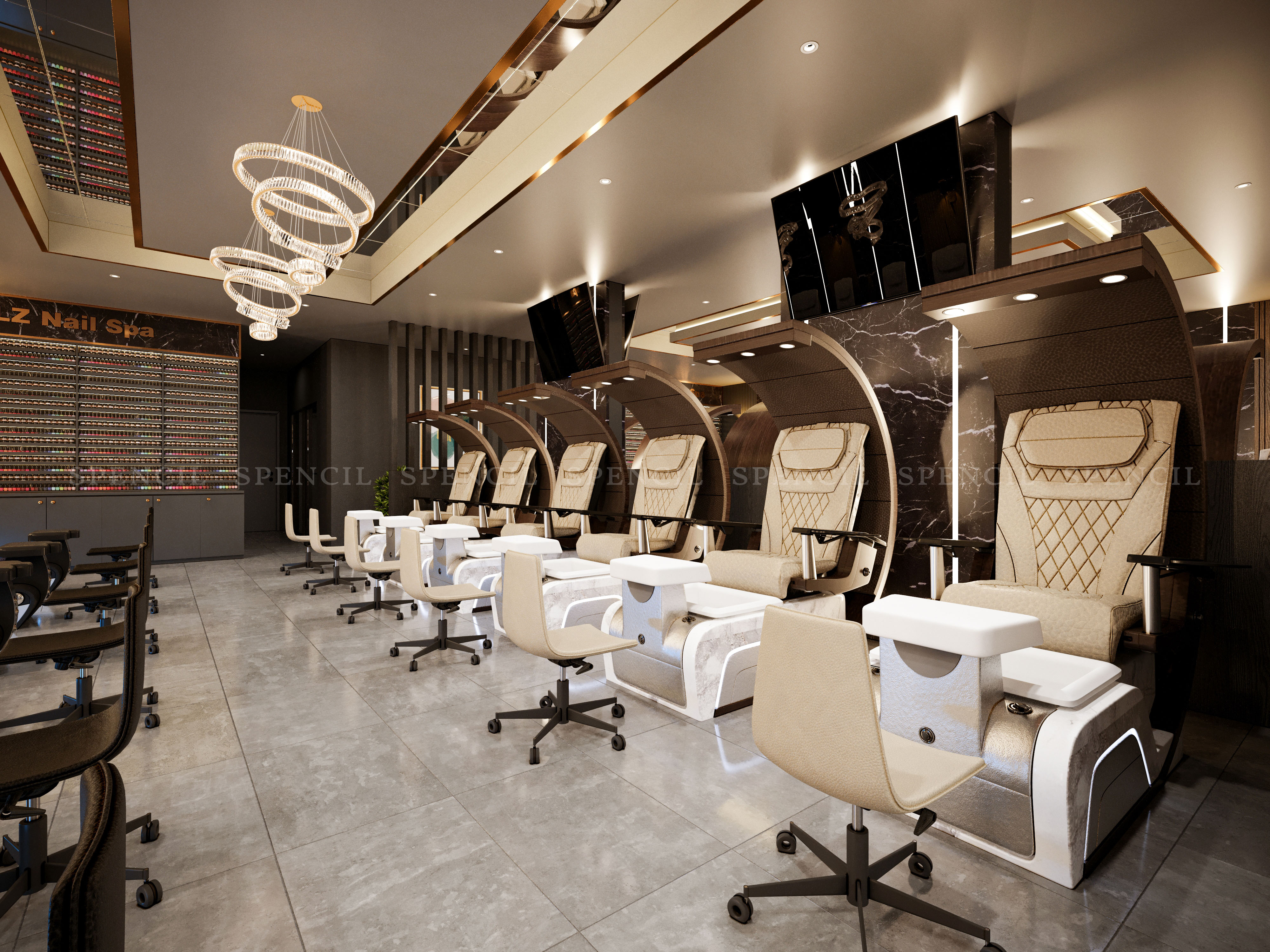
nail salon design

The moment a potential client walks into your nail salon, they form an opinion about your business. A well-designed interior conveys professionalism, cleanliness, and a welcoming atmosphere. If your salon's design feels outdated, cluttered, or poorly maintained, clients may question the quality of your services, no matter how skilled your technicians are. A modern and stylish design, on the other hand, sets the tone for an upscale experience and can make a lasting positive impression.

Enhances Customer Experience

salon nail bar interior design

Nail salon interior design is not just about how things look but also about how they make clients feel. A thoughtfully designed salon can offer a more comfortable and enjoyable experience for your customers. Elements like ergonomic chairs, calming color schemes, and well-placed lighting can make the time spent at your salon more relaxing. When clients feel comfortable, they're more likely to return and recommend your salon to others.

Reflects Your Brand Identity

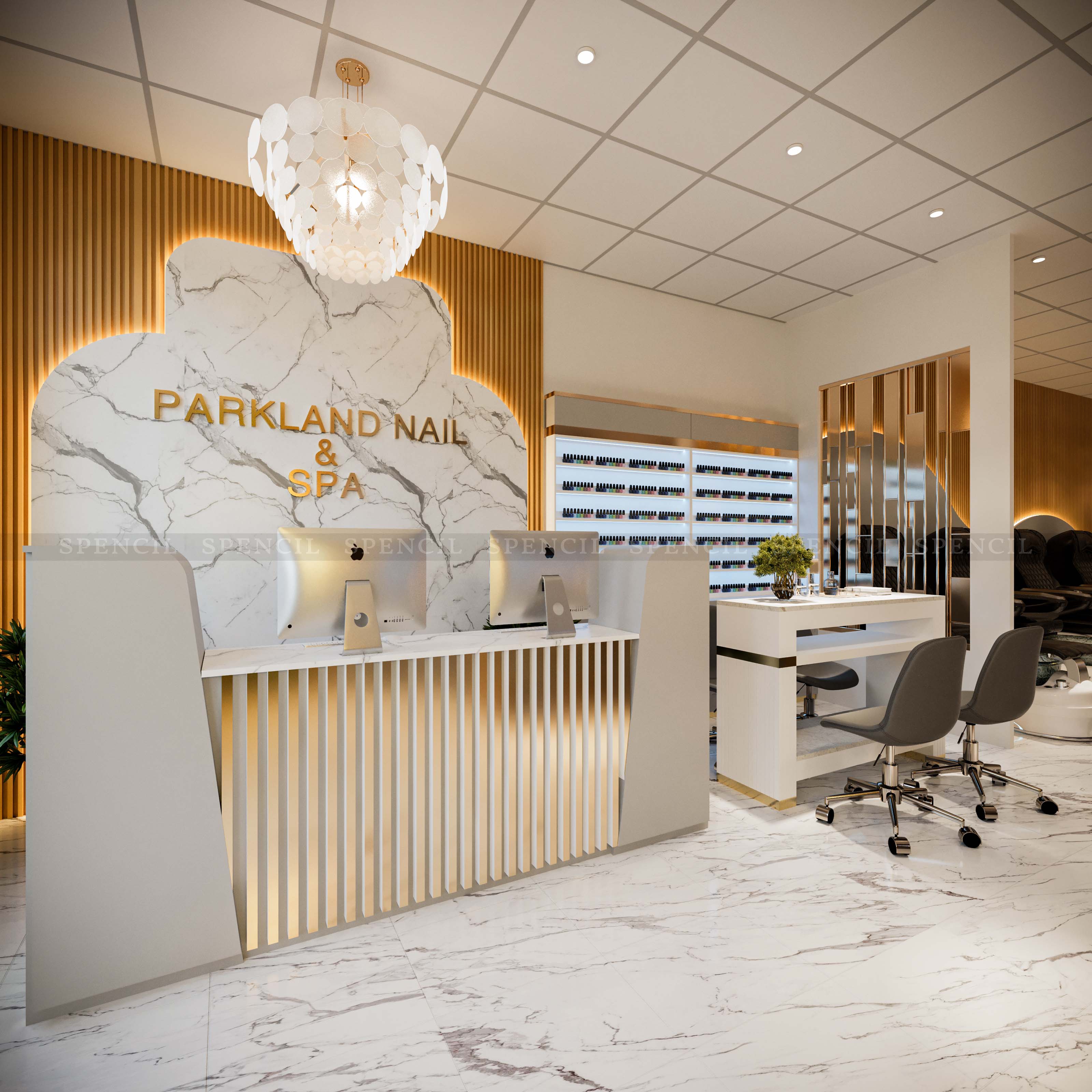
nail salon logo branding design

Source: Behance

Your nail salon's interior design is a powerful tool to communicate your brand identity. Whether your salon has a luxurious, minimalist, or funky vibe, your design choices should reflect your brand's personality. Consistency in branding�from your logo to your interior design�helps reinforce your salon's identity in the minds of your clients. This cohesion can build brand loyalty and make your salon more memorable in a competitive market.

Boosts Staff Morale

A well-designed nail salon doesn't just benefit customers; it also creates a better work environment for your staff. When your employees work in a clean, organized, and aesthetically pleasing space, they're likely to be more motivated and efficient. Happy employees often provide better service, which leads to higher customer satisfaction. Investing in a good design shows your staff that you value their well-being, which can increase retention rates and reduce turnover.

Maximizes Space Efficiency

organized nail salon interior design

Source: retaildesignblog

Space efficiency is another critical aspect of nail salon interior design. A good layout ensures that your salon is easy to navigate for both clients and staff. By optimizing the use of space, you can accommodate more clients at a time without compromising on comfort or service quality. An efficient layout can also help you manage the flow of traffic, reduce wait times, and create distinct zones for different services, all of which contribute to a smoother operation.

Increases Revenue Potential

Ultimately, nail salon interior design can have a direct impact on your revenue. A visually appealing and well-organized salon attracts more customers, encourages repeat visits, and can justify higher service prices. Moreover, the right ambiance can enhance the perceived value of your services, making clients feel that they are getting more than just a manicure or pedicure�they're getting a luxurious experience.

Sets You Apart from Competitors

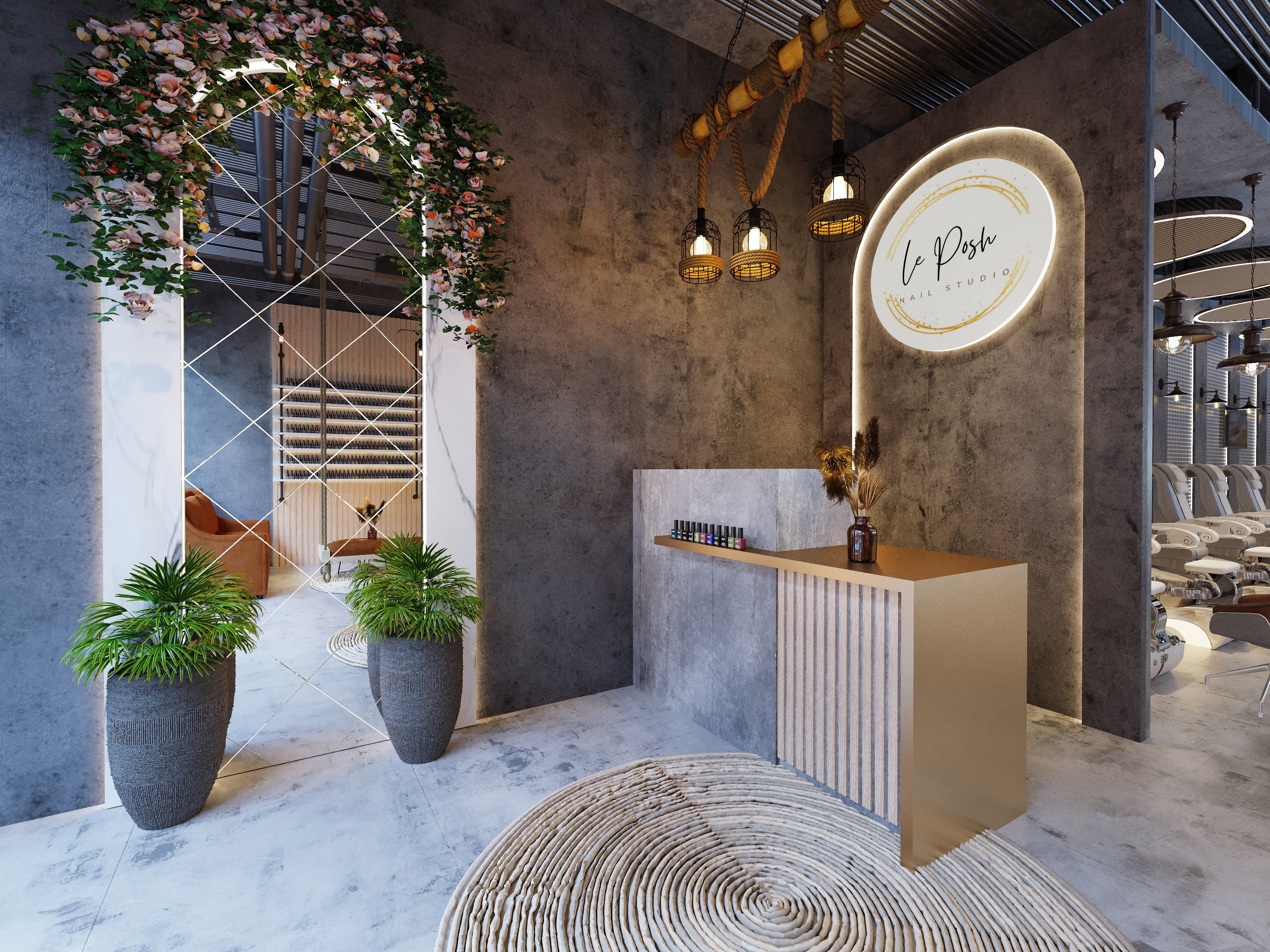
nail salon reception desk

In an industry where many salons offer similar services, standing out from the competition is essential. Unique and attractive interior design can be the distinguishing factor that sets your salon apart. Whether it's through innovative d�cor, custom furniture, or an unusual color scheme, your salon's design can become a part of its identity, making it memorable and enticing for clients who have many options to choose from.

Conclusion

Nail salon interior design is more than just choosing pretty colors and furniture; it's a strategic investment in your business. From creating a strong first impression to enhancing customer experience and maximizing revenue, the importance of nail salon interior design cannot be overstated. If you're looking to elevate your salon's appeal, consider working with professional interior designers who specialize in creating beautiful, functional, and brand-aligned spaces.

By prioritizing your salon's interior design, you're not just decorating a space�you're shaping the future success of your business.

No Category
Open a Nail Salon? 10 Red Flags You Hired A Bad Contractor
July 16, 2024
All Items

When you're about to open a nail salon, creating an inviting and functional space is crucial to your success. The right contractor can turn your dream into reality, but the wrong one can lead to headaches, delays, and costly mistakes. Not all contractors deliver on their promises, so it's important to know the warning signs.

Here are 10 red flags that you might have hired a bad contractor, and how to avoid these pitfalls.

Lack of Proper Licensing and Insurance

A good contractor will always have the necessary licenses and insurance to operate legally and protect you from liability. If your contractor can't provide proof of licensing and insurance, it's a huge red flag. Without these, you could face serious legal and financial troubles. Always make sure your contractor has up-to-date credentials and enough insurance coverage.

Hesitation to Provide a Written Agreement

A written contract is essential for any construction or renovation project. It outlines the scope of work, payment terms, and timelines. If a contractor hesitates or refuses to provide a written agreement, that's a major red flag. Without a contract, you have no legal protection if things go wrong.

Photo by Kampus Production from Pexels

Unbelievably Low Prices

While a low bid might seem like a great deal, it's often a red flag. Contractors who offer significantly lower prices than their competitors may cut corners by using cheap materials or unskilled labor. This can result in poor-quality work that requires expensive repairs later. Always compare bids and understand what each one includes to make sure you're getting good value for your investment.

Lack of Relevant Experience

Experience is crucial when you open a nail salon. Contractors who lack experience in these types of projects might not understand the unique requirements and challenges involved. Make sure your contractor has a proven track record of successfully completing similar projects. Companies like Spencil specialize in designing and building commercial spaces, ensuring they have the expertise to meet your specific needs.

nail salon design decoration ideas

Reluctance to Share References

A reputable contractor should have no problem providing references from previous clients. If your contractor is unwilling or unable to provide references, it may indicate a history of dissatisfied customers. Contacting past clients can give you valuable insights into the contractor's work quality, reliability, and professionalism. At Spencil, we proudly share our portfolio and client testimonials, so you can be confident in our services.

Vague or Incomplete Cost Estimates

Reliable contractors should provide a detailed breakdown of costs, including labor, materials, permits, and other expenses. If your contractor gives you a vague estimate with a single lump sum or refuses to itemize costs, they might be hiding potential overcharges or unexpected expenses.

Poor Quality of Workmanship

One of the most telling signs of an unreliable contractor is poor-quality workmanship. If you notice shoddy work, shortcuts being taken, or if the finished product doesn't meet your expectations, it's a sign you've hired the wrong contractor. Always inspect previous work and ask for examples to ensure the contractor's quality meets your standards.

Photo by Bidvine from Pexels

Poor Communication

Effective communication is vital for the success of any project. If your contractor is difficult to reach, consistently late to meetings, or shows a lack of interest in your project, it's a sign of unreliability. A good contractor will be enthusiastic, responsive, and proactive in addressing your concerns and answering your questions.

Photo by Thirdman from Pexels

Frequent or Unexplained Delays

If your project keeps getting pushed back with little to no explanation, or milestones are continually missed, it's a bad sign. Unreliable contractors often juggle multiple projects or mismanage their time, leading to frequent delays. Make sure your contract includes clear deadlines and penalties for delays. Regularly check in on progress and ask for detailed updates to hold your contractor accountable.

Frequent Changes in Scope Without Proper Documentation

If your contractor frequently changes the scope of work or adds additional costs without proper documentation or agreement, it's a clear sign of unreliability. Changes are sometimes necessary, but they should always be documented and agreed upon in writing to avoid disputes and ensure accountability.

nail salon design decoration ideas

Conclusion

Choosing the right contractor is crucial for the success of your nail salon project. By being aware of these warning signs, you can avoid hiring an unreliable contractor and prevent costly mistakes. At Spencil, we are committed to delivering high-quality design and construction services that meet your needs and exceed your expectations. Contact us today to learn how we can help you create the perfect space as you open a nail salon.

Featured Image Credit: Photo by Delbeautybox from Pexels

No Category
Essential Nail Studio Equipment for Salon Owners
September 13, 2024
All Items

When opening a nail salon, selecting the right nail studio equipment is one of the most important investments you'll make. From manicure stations to high-quality sterilizers, the right equipment ensures not only a comfortable experience for your clients but also an efficient workflow for your technicians. Whether you're launching a new salon or upgrading your current setup, this guide will help you identify the essential tools and furniture for your business.

1. Manicure Tables and Stations

Photo by RDNE Stock project from Pexels

The centerpiece of any nail salon is the manicure table. A functional and sturdy table is crucial for both the technician and the client. When choosing a table, look for features such as:

  • Built-in storage: Drawers and compartments keep tools organized.
  • Ventilation systems: Some tables come with built-in vents to remove dust and fumes.
  • Comfort: Ensure the table allows for easy client access and technician mobility.

2. Pedicure Chairs

nail studio equipment pedicure chair

Image Source: Lexor

Offering a comfortable and luxurious experience is key to keeping clients coming back. A pedicure chair is a vital piece of nail studio equipment, especially with built-in foot spas and massage functionalities. Look for:

Offering a comfortable and luxurious experience is key to keeping clients coming back.

  • Hygienic designs: Chairs with easily cleanable surfaces and disposable liners.
  • Adjustable settings: Reclining and massaging options for client comfort.
  • Durability: High-quality materials ensure longevity and minimal maintenance.

3. Nail Polish Racks

nail studio polish rack

Organizing your collection of nail polishes not only makes them easily accessible but also adds a decorative element to your salon. Nail polish racks should:

  • Be visible: Display racks that showcase your range of colors can entice clients.
  • Save space: Wall-mounted racks are ideal for smaller studios.
  • Durable: Opt for acrylic or metal designs for a sleek, professional look.

4. Sterilization Equipment

Maintaining hygiene standards is non-negotiable in any nail salon. Sterilizers like autoclaves or UV sanitizers ensure all tools are disinfected properly. Make sure your salon is equipped with:

  • Autoclaves: A reliable option for sterilizing metal tools.
  • UV sterilizers: An excellent alternative for non-metallic equipment.
  • Disinfectant solutions: For cleaning surfaces and equipment between clients.

5. Nail Drills and E-Files

For precise nail shaping, especially with acrylic or gel nails, an electric nail file (or e-file) is a must-have tool. When choosing the right nail drill, consider:

  • Variable speeds: For better control during manicures and pedicures.
  • Lightweight design: Ensures ease of use over long periods.
  • Safety features: Look for drills with built-in safety stops to prevent overheating.

6. UV and LED Lamps

A professional nail salon cannot operate without UV or LED curing lamps for gel polish application. These lamps ensure a quick and durable finish. Key features to look for include:

  • Wattage: Higher wattage ensures faster curing times.
  • Timer settings: Helps prevent over-curing or damaging the nails.
  • Portable design: For mobility between stations.

7. Ventilation Systems

Proper ventilation is essential in maintaining air quality, especially when using acrylic products. A dedicated ventilation system will:

  • Remove dust: Capture nail dust particles during filing and buffing.
  • Filter harmful fumes: Ensure the air remains clean and breathable.
  • Comply with health regulations: Depending on your region, ventilation may be a legal requirement.

8. Client Seating and Waiting Area

nail salon furniture

Comfortable seating is just as important for your clients while they wait as it is during treatments. Invest in ergonomic and stylish client chairs and make your waiting area inviting with:

  • Soft seating: Plush chairs or sofas.
  • Magazines or nail art catalogs: To keep clients entertained while they wait.
  • A welcoming environment: Adding plants or artwork can make the space feel more relaxing.

9. Towels, Aprons, and Linens

Small details make a big difference in the overall salon experience. Stock up on high-quality towels, aprons, and linens for cleanliness and comfort:

  • Disposable options: Ideal for maintaining hygiene between clients.
  • Luxurious materials: High-thread-count linens can enhance the feel of your services.

10. Point of Sale (POS) System

Photo by RDNE Stock project from Pexels

Finally, streamline your business operations with a robust point-of-sale system. A good POS system allows you to:

  • Track inventory: Know when to reorder products.
  • Schedule appointments: Offer seamless booking experiences.
  • Accept various payments: Ensure clients can pay by card, cash, or even mobile apps.

Selecting the right nail studio equipment ensures that your salon runs smoothly, meets health standards, and offers the best possible experience for your clients. By investing in high-quality, durable tools and furniture, you'll set your business up for long-term success. Remember, the equipment you choose reflects your salon's professionalism and commitment to client satisfaction.

Featured Image Credit: Photo by RDNE Stock project from Pexels

No Category
How Much Would It Cost to Open a Nail Salon?
July 19, 2024
All Items

Opening a nail salon can be an exciting venture, but understanding the costs involved is crucial for success. If you're wondering "how much would it cost to open a nail salon," you're in the right place. In this blog, we'll break down the expenses, from startup costs to ongoing expenses, to help you plan your new business effectively.

Approximate Total Cost for Starting a Nail Salon

Here's an approximate breakdown of nail salon start-up costs:

  • Licensing and Compliance: $100 � $500
  • Premises (Rent and Renovation): $1,000 � $10,000 per month
  • Interior Design: $1,000 � $5,000
  • Construction: $150 � $300 per square foot
  • Equipment and Furniture: $20,000 � $80,000
  • Insurance: $500 � $1,500
  • Inventory: $500 � $3,000
  • Marketing and Advertising: $1,000 � $10,000 per year
  • Training and Certification: $500 � $5,000
  • Employee Wages: Varies
  • Software and Technology: Varies
  • Utilities and Maintenance: Varies
  • Unexpected Costs and Contingencies: Varies

1. Initial Investment

A. Business Licensing and Permits

Nail salons often need a business license, a cosmetology license for the owner and each nail technician, and sometimes a special health and safety permit. These costs can vary by state and city, but budgeting $100 to $500 for licensing and compliance would be a safe bet.

B. Interior Design

Photo by Seema Sharma from Pexels

Creating a welcoming and attractive space is essential for a successful nail salon. The cost of interior design can vary widely depending on the size of the salon and the level of customization. On average, the construction costs for interior design can range from $1,000 to $5,000. It's important to budget for this expense and work with a professional designer to create a space that reflects your brand and attracts customers.

C. Lease, Renovations, and Construction

Photo by Thirdman from Pexels

Securing a suitable location is a major expense. Monthly rents can range from $2,000 to $10,000 depending on the city and neighborhood. Building a brand new shop will cost around $150-$300 per square foot, depending on the salon's design style and materials. Renovations and decor can add another $20,000 to $100,000, transforming the space into a welcoming environment for your clients.

D. Insurance Costs

General liability insurance and property insurance are essential, while workers' compensation insurance is required if you have employees. Insurance costs can range from $500 to $1,500 per year, depending on your coverage and location.

E. Marketing and Advertising Costs

Attracting your first clients requires a solid marketing strategy. Initial marketing efforts, including a website, social media campaigns, and local advertising, can cost between $1,000 and $3,000 per year.

2. Additional Costs to Consider When Starting a Nail Salon

Let's not forget the many other expenses that play a part in the smooth operation of a nail salon business. Some of these costs are often overlooked during the initial planning stages, but they are vital for the ongoing success of your venture.

A. Rent and Utilities

Salons tend to use more water and electricity than a typical office business. Utilities, including electricity, water, and internet, typically add another $200 to $500 per month.

B. Salaries and Wages

Photo by RDNE Stock project from Pexels

Paying your staff is a significant ongoing expense. These costs can significantly vary depending on how many employees you have, their respective roles, their experience, and the average wages in your area. Keep in mind that you'll also need to budget for employee benefits and taxes.

C. Inventory Replenishment

Regularly restocking your inventory will be necessary. Monthly inventory costs can be around $500 to $1,500.

D. Software and Technology Costs

nail salon point-of-sale system
Image Source: ZOTA

Invest in a booking and scheduling system to avoid double bookings and missed appointments. A robust point-of-sale system will manage billing, inventory, and staff commissions. Additionally, a professional website and active social media presence will expand your salon's reach.

E. Unexpected Costs and Contingencies

Unexpected expenses are inevitable. Equipment might break down, renovations could be delayed, or unforeseen regulatory issues may arise. These costs can vary greatly depending on your salon's size, location, equipment quality, and staffing needs.

3. Total Estimated Cost

Based on the breakdown provided, the total estimated cost to open a nail salon can range widely. Here's a summary of the estimated costs:

  • Startup Costs: $24,000 � $110,000 (including licenses, rent, renovations, interior design, equipment, and initial inventory)
  • Construction Costs: $60,000 - $400,000 (including architectural design, construction permits, materials)
  • Annual Costs: $13,000 � $38,000 (including marketing, insurance, utilities, and technology)
  • Employee Wages and Contingencies: Varies

By considering these estimates, you can better plan your budget and ensure you have the necessary funds to start and run your nail salon successfully.

Conclusion

Understanding how much it would cost to open a nail salon is the first step toward turning your dream into reality. By carefully planning your initial investments and ongoing expenses, you can create a successful and sustainable business. With the right strategies and smart financial planning, your nail salon can thrive in a competitive market.

To ensure your venture is a success, consider partnering with Spencil. Specializing in designing and building nail salons, Spencil provides comprehensive solutions to create an inviting and functional space for your business. With our expertise in layout, decor, and construction, you can be confident that your salon will stand out and attract customers. Let Spencil help you bring your vision to life and set the stage for a flourishing nail salon.

Featured Image Credit: Photo by Delbeautybox from Pexels

No Category
Nail Salon Decoration Ideas: Elevate Your Shop with an Instagram-Worthy Wall
July 17, 2024
All Items

In today's visually driven world, the decor of your nail salon plays a crucial role in attracting and retaining customers. One of the most effective nail salon decoration ideas to enhance your space is by creating an Instagram-worthy wall. This trendy feature can transform your salon into a social media hotspot, encouraging clients to share their nail art photos and increasing your online visibility. An eye-catching Instagram wall not only beautifies your salon but also provides a unique and engaging experience for your clients. Discover how you can design a stunning Instagram wall with these creative decoration ideas.

Why an Instagram Wall is Essential for Your Nail Salon

An Instagram wall serves multiple purposes in a nail salon:

  1. Attracting Customers: A visually appealing wall draws in potential clients and makes your salon stand out.
  2. Encouraging Social Media Engagement: Clients are more likely to share photos of their nails against a beautiful backdrop, providing free marketing.
  3. Building Your Brand: A well-designed wall can reinforce your salon's identity and aesthetic.
  4. Enhancing Customer Experience: It creates a memorable and engaging experience for your clients.
  5. Standing Out from Competitors: Unique decor helps your salon stand out in a crowded market.

Top Nail Salon Decoration Ideas for an Instagram-Worthy Wall

1. Floral Backdrops

Photo by Designecologist from Pexels

Flowers never go out of style. A lush, floral backdrop can add a touch of elegance and freshness to your salon. Opt for faux flowers for durability and ease of maintenance. Consider a mix of colors to create a vibrant, eye-catching display.

2. Neon Signs

Photo by Timothy Paule II from Pexels

Neon signs with catchy phrases or your salon's name can make a bold statement. They are perfect for creating a focal point and add a modern, trendy vibe to your space. Plus, they look fantastic in photos, especially under low lighting.

3. Geometric Patterns

Geometric patterns are a chic way to add visual interest to your wall. You can use wall decals or painted designs to create intricate patterns that stand out. Pair these with minimalist furniture to keep the focus on the wall.

4. Murals

Photo by Nataliya Vaitkevich from Pexels

Hire a local artist to paint a mural that reflects your salon's brand and personality. Whether it's a whimsical design, abstract art, or a scene inspired by nature, a mural can become a conversation starter and a key feature of your salon.

5. Living Wall

Also known as green walls, these are panels of plants that add a touch of nature to your salon. They not only improve air quality but also provide a calming effect for clients. Ensure you choose low-maintenance plants suitable for indoor environments.

6. Themed Deco

Choose a theme that aligns with your salon's brand. Whether it's a tropical paradise, a vintage look, or a modern minimalist style, consistent themed decor can create a cohesive and immersive experience for your clients.

7. Interactive Elements

Photo by Nataliya Vaitkevich from Pexels

Incorporate interactive elements like a changeable letter board or a space where clients can leave messages or signatures. This not only engages clients but also creates unique photo opportunities.

Tips for Designing Your Instagram Wall

  • Good Lighting: Ensure your wall is well-lit to enhance photo quality. Natural light is ideal, but well-placed artificial lighting works too.
  • Color Scheme: Use colors that complement your salon's overall decor and make nail art stand out in photos.
  • Props: Provide props that clients can use to personalize their photos, like fun glasses, signs, or hats.
  • Branding: Subtly include your salon's logo or hashtag to encourage clients to tag your business in their posts.
  • Clean and Tidy: Keep the area around your Instagram wall clean and clutter-free to maintain its visual appeal.

Conclusion

Investing in a stylish Instagram wall is one of the best nail salon decoration ideas to boost your business. It enhances the customer experience, promotes social media engagement, and helps your salon stand out from the competition. With the right design and elements, your Instagram wall can become a powerful marketing tool, driving more clients to your salon and creating lasting impressions.

At Spencil, we are committed to delivering high-quality design and construction services that meet your needs and exceed your expectations. Contact us today to learn how we can help you create the perfect space as long as a perfect Instagram-worthy wall for your business.

Featured Image Credit: Photo by RDNE Stock project from Pexels

Restaurant
5 Essential Tips for Restaurant Booth Seating Design
February 14, 2024
All Items

Booths are an all-time favorite type of seating for many restaurant customers. One of the most apparent reasons is they offer more privacy and comfort than conventional table and chair layouts. Understanding restaurant booth types, styles, materials, and other elements is crucial when planning the perfect seating layout for your food service business. If you are a restaurant owner, these tips will help you plan an ideal restaurant booth seating design. 

What is a Restaurant Booth?

Image Credit: cottonbro studio from Pexels

A restaurant booth is a table and seating combination that can be designed in lengths, shapes, and arrangements to accommodate a specific number of customers. Booths are usually made of wood and upholstered furniture. Many customers find richly cushioned couches more comfortable than the usual restaurant chairs or seats.  

Below are the essential things to consider when planning restaurant booth seating design. 

1. Explore the Different Types of Restaurant Booths

There are different dining room booths, and you will find the perfect design for your bar or restaurant. For example, you can pick single, double, wall bench, semi-circle, or circle types. Each type can be customized according to length, width, and height. Try using a single booth placed against the wall for small cafes to optimize the space. You can add double booths with back-to-back benches to reduce foot traffic in your busy restaurant or diner.

Half and three-quarter circle boots are excellent when paired with large round tables. They allow bigger groups to have more privacy. Consider adding a wall bench with small tables for this seating type to allow intimate conversations. But choose a design that can be quickly transformed into a larger table. Whatever the size of your restaurant, various kinds of booths suit your needs. 

2. Look at the Various Restaurant Booth Styles

Image Credit: Kiran More from Pexels

After choosing the booth type, you can start looking at the different styles for aesthetic purposes. The most common styles include:

  • Alex
  • Beadboard
  • Button tufted booths
  • Channel
  • Fan
  • V back booths 
  • Plain

Each style works best with different layouts. For instance, button-tufted booths add more elegance to fine dining establishments. V back booth, on the other hand, can be a perfect addition to your retro-theme restaurant. Choose the best style that matches your needs and preferences. 

Expert designers can offer assistance in looking for the best restaurant booth style that matches your purpose and theme. Book an appointment with Spencil designers today! 

3. Decide on the Booth Materials to Use

Image Credit: Arturo A from Pexels

Generally, restaurant booths are made of wood, laminate, and upholstery. These materials can elevate your restaurant's look and feel based on your chosen theme. For example, laminate booths are easy to clean compared with wood frames. These booths are a perfect match with neutral wood color laminate to match your decor. Meanwhile, classic wood booths create a rustic, contemporary look. It would be best to research before finally deciding on the booth material for your restaurant interior design project.

4. Calculate the Booth Dimensions 

When designing a booth layout for your business, consider restaurant booth seating dimensions. It would help if you always considered dining room table sizes in your calculations. Above all, learning the booth dimensions is one of the best ways to maximize the number of guests who can come, increasing your business's profits.

Your booth dimensions will help identify the distance between them to maximize your floor space. Standard restaurant booth seating depth should be between 16 to 18 inches. The booth should align with the table's edge in a typical seating layout. The total booth width will range between 64" to 74". The seat back depth should be 3" to 4", and typical seat heights are 16" to 18".

For your reference, below are the standard booth dimensions, including the height and width. 

Single: 46" x 23"

Double: 46" x 44"

Wall Bench: Customizable length, width is 23"

1/2 Circle: 46" x 88"

3/4 Circle: 88" x 88"

5. Configure the Booth Seating Plan

Restaurant booths can be configured in various ways to best suit your establishment. Choose for the different restaurant booth seating plans that best suit your dining room design.

Source: Webstaurant Store

Conclusion

Restaurant booth seating design offers several advantages to a food service establishment. This seating layout eliminates the need for food servers to walk all four of a table when attending to customer's needs. Likewise, a well-designed booth optimizes the floor area and helps reduce foot traffic. Whether renovating an existing restaurant or building a new one, be bold to play with colors, styles, and designs that match your interior design theme.

Featured Image Credit: Rachel Claire from Pexels

No Category
20 Modern Salon Interior Design Ideas
January 30, 2024
All Items

Creating a modern salon interior is an essential aspect of establishing a trendy and inviting space for clients. From chic hair salons to stylish nail studios, modern salon designs encompass a variety of elements that merge aesthetics with functionality. Here are some 20 modern salon interior designs that are redefining the beauty and wellness industry.

1. Minimalistic Elegance

Minimalism is a prevailing trend in modern salon design. Clean lines, uncluttered spaces, and a restrained color palette create a sense of sophistication. Choose sleek furniture and accents for a contemporary look.

2. Nature-Inspired Themes

Photo by Seema Sharma from Pexels

Infusing natural elements like plants, green walls, or stone features into salon interiors adds a touch of serenity. This biophilic design trend connects clients with nature, fostering a calming ambiance.

3. Luxurious Lighting

Modern salons leverage statement lighting to elevate the overall aesthetic. Chic pendant lights, LED strips, or elegant chandeliers can become focal points while ensuring well-lit workspaces.

4. Open and Airy Layouts

Opting for an open layout enhances the sense of spaciousness. Strategically arranged furniture and stations maintain organization while allowing for a welcoming flow within the salon.

5. Custom Furniture Designs

Photo by Delbeautybox from Pexels

Invest in custom-made furniture to tailor the salon's interior to its unique identity. Customized chairs, reception desks, and shelving solutions can contribute to a cohesive and branded look.

6. Industrial Chic

The industrial aesthetic, characterized by exposed brick, metal accents, and utilitarian fixtures, imparts an edgy and urban vibe to modern salons. This design trend is particularly popular in barbershops.

7. Smart Salon Technology

Incorporating technological advancements enhances the client experience. Digital booking systems, touchscreen displays, and charging stations at each station demonstrate a commitment to modernity.

8. Geometric Patterns

Geometric patterns add a contemporary touch to salon interiors. From tiled floors to wallpaper designs, incorporating well-balanced geometric shapes contributes to a visually appealing atmosphere.

9. Artistic Murals

Transforming blank walls into artistic murals or feature walls can inject personality into the salon. These murals can range from abstract designs to representations of the salon's services.

10. Monochromatic Schemes

Photo by RDNE Stock project from Pexels

Monochromatic color schemes, especially in grayscale, create a timeless and sophisticated look. This style allows other design elements, such as furniture and artwork, to stand out.

11. Pastel Paradise

Soft pastel shades like blush pink, mint green, or powder blue lend a gentle and inviting atmosphere. This color scheme is often used in nail salons and spas for a soothing effect.

12. Mixing Textures

Incorporating a variety of textures�such as leather, velvet, or metallic finishes�adds depth and visual interest to the salon's interior. Mixing textures prevents the space from feeling monotonous.

13. Sustainable Practices

Modern salons are increasingly adopting eco-friendly and sustainable practices. Using recycled materials, energy-efficient lighting, and implementing green initiatives contribute to a socially responsible design.

14. Vintage Fusion

Combining vintage elements with modern aesthetics creates a unique and eclectic ambiance. Vintage furniture pieces or retro-inspired decor can serve as charming focal points.

15. Interactive Retail Displays

Modern salons are turning retail spaces into interactive displays. Incorporate touchscreen technology for product information, virtual try-ons, or educational content to engage clients.

16. Floating Shelves

Floating shelves not only maximize space but also provide an opportunity for creative product displays. Showcase hair care products or nail polish collections in an organized and visually appealing manner.

17. Branding Everywhere

From branded uniforms for staff to subtle logo decals on mirrors, integrating the salon's branding throughout the space reinforces its identity and creates a cohesive visual experience.

18. Bold Accent Colors

Photo by RDNE Stock project from Pexels

While neutral tones dominate modern salon designs, incorporating bold accent colors adds vibrancy. Consider statement furniture or feature walls in rich hues like emerald green or royal blue.

19. Cozy Waiting Areas

Designing comfortable and chic waiting areas with plush seating, stylish magazines, and perhaps a feature wall with the salon's logo creates a positive first impression.

20. Dynamic Dividers

Instead of traditional partitions, consider dynamic dividers like hanging curtains, sliding panels, or glass partitions with artistic patterns. These dividers add a touch of flexibility and artistry to the space.

Final Thoughts

These top 20 modern salon interior designs showcase a dynamic industry that seamlessly blends innovation with style. Salons are not just places for beauty treatments. They are immersive spaces that reflect the brand's personality and create memorable experiences for clients. Whether it's a hair salon, nail studio, or spa, these modern salon interior designs inspire those seeking to elevate their salon aesthetics into the realms of contemporary elegance.

Featured Image Credit: Photo by Delbeautybox from Pexels

Restaurant
7 Italian Restaurant Design Ideas
February 13, 2024
All Items

Italian restaurants are a popular choice for many diners to celebrate events or have intimate gatherings. When you set up your new Italian restaurant, you'll be the new kid on the block and have heavyweight competitors. You don't have to worry if you're offering the best food. The next factor to look at now will be the interior design to entice more diners to visit your Italian restaurant. As such, here are our quick tips on Italian restaurant design.

However, to understand Italian designs here are the basics of Italian or Mediterranean architecture.

1. Arched Columns

restaurant
Image Credit: Denys Gromov from Pexels

One recognizable feature of any Italian interior design is the arched columns. Inspired by Renaissance architecture, these columns create the illusion of more space and add charm to your restaurant.

2. Wood

Another characteristic of Italian interior design is wood. It has been a staple in Italian architecture. Plus, it's to honor craftsmanship.

Wood can become prominent in your interior design, especially in your furnishings. You can stay authentic in your Italian design style by finding Italian furniture sellers or companies to help you fulfill this requirement.

3. Big Windows

Big windows are another main feature of Italian architecture. It brings natural light to any space. Plus, it complements the arched column design. This is also great for ventilation and seeing amazing views. However, if your space cannot accommodate big windows, that shouldn't be an issue. Ensure that you have proper ventilation and you can still provide views via decorations!

Italian Restaurant Design Ideas

Now that we have the basics of Italian designs, here's a list of Italian restaurant design ideas!

1. Use Warm Colors

italian restaurant
Image Credit: Oleksandra Zelena from Pexels

Italian restaurants are known for warm hues and colors inspired by Italian architecture in Italy. You can decide on a warm color palette like red, yellow, and orange. They compliment it with green and other neutral colors.

Aside from adopting warm colors, you can achieve this in lighting. Soft lighting is common in most Italian restaurants, creating intimate and cozy vibes.

2. Add Arched Columns to Separate Dining Spaces

If you have an open space and want to create an intimate atmosphere for diners, arched columns can help you partition dining spaces. For example, you can have couches and chairs in one arched column space to seat families or small groups.

3. Showcase Your Wine Collection

wines
Image Credit: jamies.x.co from Pexels

Many Italian restaurants display their wine collection. Diners can take an interest in wine and would want a glass or bottle to see what wine selections you have in store. You can do this by adding a glass storage to your current wine collection. Repurpose empty wine bottles as a display. It could capture your customers' attention and ask if this is available.

4. Decorate with Kitchen Items and Other Products

Aside from the Italian food, give them the vibe of being in Italy by decorating your space with kitchen items and products. It's common in most Italian restaurants. For instance, you can display Italian food cans, which you can store on a rack or wall. You can also display the packaging of pasta items. Alternatively, you can display equipment like pots and pans. In some cases, a big wooden spoon and fork!

Additionally, decorate your restaurant with black-and-white photos of people. Ensure that you are using authentic images to emphasize the genuine Italian feel. Alternatively, you can fill the wall with multiple photos to give it a homey and cozy Italian vibe.

Finally, consider using red and white checkered tablecloths. It's a staple in most Italian restaurants. Of course, if it doesn't match your interior design style, then you don't need to adopt this tablecloth. You can add this as decor or on other non-dining tables.

5. Don't be Afraid to Go Modern

Many Italian restaurant design ideas above are inspired by classic Italian interior design or architecture. However, one good thing about interior design is that it evolves, and you can make your style unique without losing its core trait or feature. For instance, you can add decorative pieces to highlight the Italian vibe of your restaurant. 

6. Add a Natural Element

Aside from using wood for your furnishings and other pieces, plants add an environmental element to your restaurant design. For restaurants without natural or fresh air, plants can provide that even in air-conditioned or closed spaces. You can add small potted plants per table or on various corners. Alternatively, you can also place them on the wall.

7. Consider an Open Kitchen

oven
Image Credit: Louis Hansel from Unsplash

Many Italian restaurants have adopted an open kitchen to give customers a taste, smell, and view of the food as chefs prepare their meals. Plus, since many people love Italian food, they will love the idea of seeing pasta and pizza being made in front of their eyes all the more. Additionally, if you have a brick-oven pizza maker, that could be the focal point of your restaurant.

Featured Image Credit: Alain Rouiller from Unsplash

No items found.