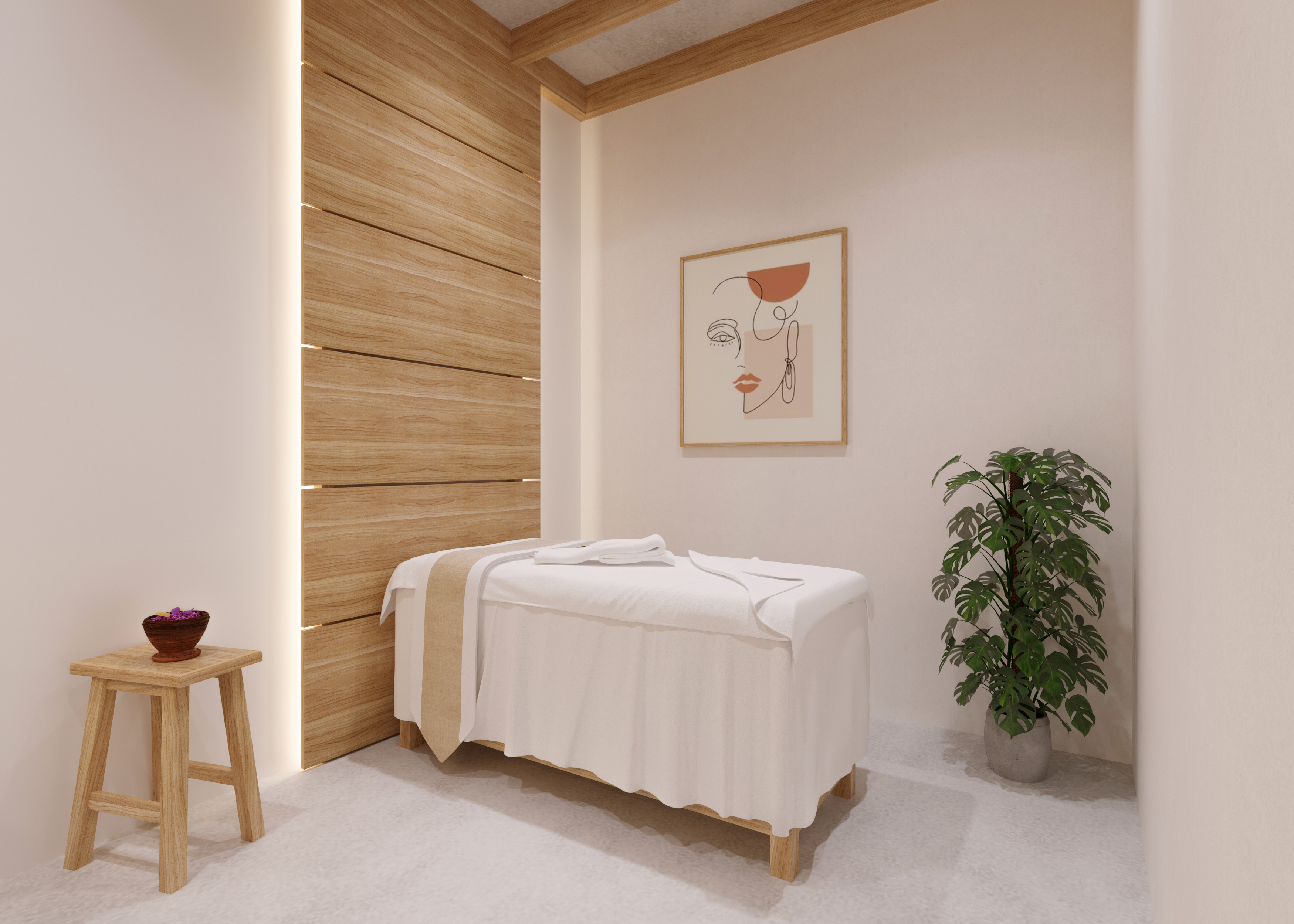
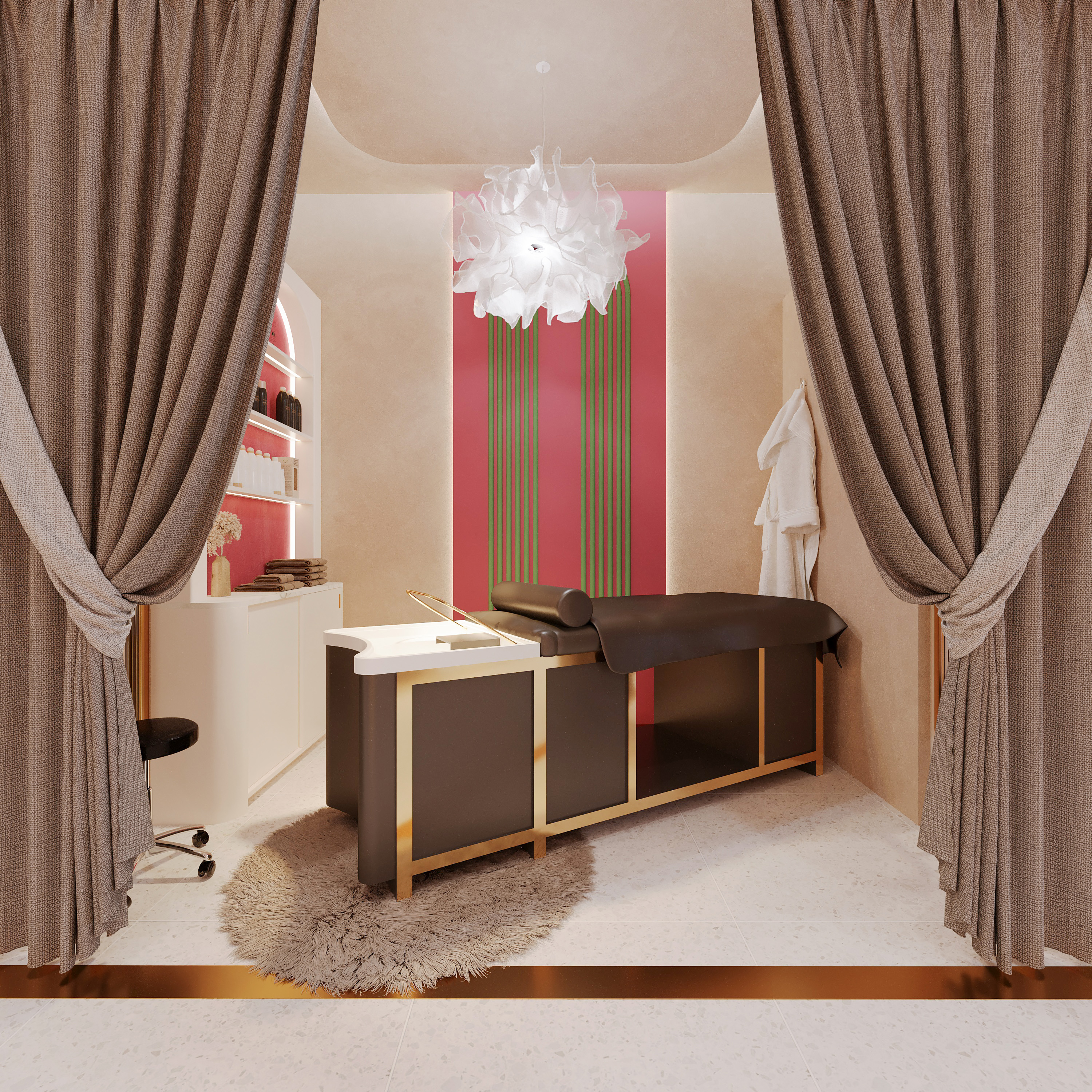
Nail Salon dưới 1000 sqft vẫn có thể trở nên rộng thoáng, chuyên nghiệp và thu hút hơn bao giờ hết. Khám phá bí quyết thiết kế 3D tối ưu không gian nhỏ, giúp salon tại Mỹ nổi bật dù diện tích khiêm tốn.
1. Tâm lý lo ngại của chủ tiệm nail tại Mỹ
Rất nhiều chủ salon tại Mỹ, đặc biệt trong các khu vực đông dân và cạnh tranh cao, đều chung nỗi lo: "Location nhỏ quá, liệu có thu hút được khách?". Điều này khiến nhiều người chần chừ, không dám đầu tư vào thiết kế bài bản.
Nhưng thực tế cho thấy: Không gian nhỏ, nếu được thiết kế đúng cách, vẫn có thể khiến khách trải nghiệm đầy ấn tượng và thoải mái.
Thiết kế khéo, location nhỏ cũng thành lợi thế
2. Tại sao thiết kế 3D nội thất salon là chìa khóa?
Thiết kế 3D không chỉ là công cụ mô phỏng – đó là bước đi chiến lược giúp chủ tiệm salon tại Mỹ đưa ra quyết định thông minh ngay từ đầu.
Nhờ 3D, bạn có thể:
Nhìn trước toàn cảnh không gian như thật trước khi thi công.
Dễ dàng hình dung từng khu vực, màu sắc, bố trí nội thất.
Tính toán hợp lý để tận dụng tối đa từng inch diện tích.
Với thiết kế 3D nội thất salon, bạn có thể tối ưu không gian một cách tinh tế: gọn mà vẫn thoáng, tiện nghi nhưng không rối rắm, hiện đại và đậm cá tính riêng. Đặc biệt với những location nhỏ dưới 1000 sqft, thiết kế 3D sẽ giúp bạn biết cách "nới rộng" không gian bằng cảm giác - điều mà bản vẽ 2D truyền thống khó thể hiện.
Thiết kế 3D giúp salon nhỏ trông rộng, chuyên nghiệp
3. Bí quyết tối ưu tiệm nail nhỏ nhờ thiết kế 3D
Thiết kế mở: Thay vì chia nhỏ không gian bằng các vách ngăn thô cứng, thiết kế mở với vách kính hoặc kệ lửng giúp tạo cảm giác thông thoáng mà vẫn đảm bảo chức năng riêng biệt cho từng khu vực. Không gian nhìn xuyên suốt, thoáng đãng hơn nhiều dù diện tích thực vẫn vậy.
Tận dụng ánh sáng tự nhiên: Ánh sáng là yếu tố “vàng” trong không gian nhỏ. Thiết kế 3D giúp bạn tính toán chính xác vị trí lấy sáng tự nhiên từ cửa chính, cửa sổ hoặc mái kính, từ đó làm nổi bật không gian và giảm cảm giác bí bách.
Gam màu sáng – layout gọn gàng: Những tone màu như trắng, be, pastel, xanh mint hay nude giúp phản chiếu ánh sáng tốt hơn, tạo hiệu ứng thị giác làm không gian trông rộng hơn. Thiết kế 3D giúp bạn thử nghiệm bảng màu, phối kết nội thất và decor trước khi thi công, hạn chế rủi ro sai lệch thực tế.
Tính toán công năng chuẩn: Diện tích nhỏ đòi hỏi mọi chi tiết đều phải có lý do tồn tại. Với thiết kế 3D, bạn có thể bố trí:
Ghế pedicure sát tường để tối ưu lối đi.
Quầy lễ tân dạng chữ L gọn nhẹ.
Vách kính ngăn phòng wax/supply giúp tách biệt không gian mà không bị "đóng khung".
Mỗi góc nhỏ đều được tận dụng hiệu quả mà vẫn đảm bảo trải nghiệm thoải mái cho khách và nhân viên.
Salon dưới 1000 sqft vẫn rộng rãi, tiện nghi nhờ thiết kế 3D thông minh
4. Các gợi ý thông minh cho salon nhỏ tại Mỹ
Đã có không ít tiệm nail thành công chỉ với diện tích chỉ 800 - 900 sqft. Bí quyết nằm ở cách khai thác chiều sâu thương hiệu và dịch vụ thay vì chỉ dựa vào quy mô:
Thiết kế mang tính cá nhân cao: Mỗi salon nên phản ánh cá tính, gu thẩm mỹ và câu chuyện riêng của người chủ. Điều này tạo nên dấu ấn khác biệt, giúp tiệm ghi điểm trong lòng khách hàng từ lần đầu bước vào.
Tập trung vào dịch vụ chủ lực: Không cần dàn trải quá nhiều dịch vụ. Hãy đầu tư mạnh vào một hoặc hai mảng chính như pedicure hoặc nail art để khẳng định thế mạnh và khiến khách dễ nhớ, dễ quay lại.
Tạo trải nghiệm khách hàng ấn tượng: Không gian nhỏ nhưng sạch sẽ, thơm tho, ánh sáng dịu, âm nhạc thư giãn và đội ngũ thân thiện – đó là “combo” khiến khách muốn quay lại nhiều lần.
Linh hoạt trong bố trí: Dùng đồ nội thất đa năng, ghế gấp, tủ kéo… để tối ưu không gian và dễ điều chỉnh khi cần.
Salon nhỏ tại Mỹ vẫn “ghi điểm” nhờ thiết kế cá nhân hóa
5. Từ Không Gian Khiêm Tốn Đến Thành Công Ấn Tượng
Trong thị trường nail tại Mỹ, không thiếu những tiệm salon có diện tích lớn, đầu tư mạnh tay. Nhưng chính những salon nhỏ, biết tối ưu không gian bằng thiết kế 3D lại thường tạo được dấu ấn riêng và giữ chân khách hiệu quả.
Thay vì lo ngại location nhỏ sẽ là điểm yếu, hãy xem đó là cơ hội để:
Tạo ra trải nghiệm gần gũi, ấm cúng nhưng vẫn chuyên nghiệp.
Tối ưu chi phí đầu tư, vận hành mà vẫn giữ được chất lượng dịch vụ.
Khẳng định phong cách cá nhân và xây dựng thương hiệu rõ nét hơn.
Từ không gian nhỏ, thiết kế 3D tạo nên trải nghiệm riêng và dấu ấn lớn
Đừng để diện tích khiêm tốn giới hạn tiềm năng kinh doanh của bạn, thiết kế 3D nội thất salon sẽ là công cụ mạnh mẽ giúp bạn mở rộng trải nghiệm, nâng tầm thương hiệu ngay từ chính không gian nhỏ nhất.
Liên hệ Spencil để khám phá cách không gian nhỏ có thể tạo nên dấu ấn lớn 888-995-0058!
Trong năm 2025, ngành nail tại Mỹ tiếp tục phát triển mạnh mẽ, kéo theo sự cạnh tranh ngày càng khốc liệt giữa các tiệm salon. Không chỉ tay nghề, thiết kế nội thất chính là yếu tố then chốt tạo nên sức hút và giữ chân khách hàng. Tuy nhiên, để hình dung rõ ràng không gian trước khi thi công, ngày càng nhiều chủ tiệm đã lựa chọn giải pháp thiết kế 3D nội thất salon – một công cụ vừa trực quan, vừa tối ưu chi phí.
Vậy năm 2025, đâu là những xu hướng nổi bật trong thiết kế tiệm nail qua góc nhìn 3D? Cùng khám phá ngay 5 xu hướng hot nhất mà bất kỳ chủ tiệm nào cũng không nên bỏ lỡ!
Thiết kế 3D nội thất salon vũ khí cạnh tranh chủ tiệm nail 2025
1. Không gian mở - Tạo cảm giác rộng rãi và chuyên nghiệp
Xu hướng mở rộng tầm nhìn bằng cách giảm vách ngăn, tối ưu bố cục, sử dụng gam màu sáng và ánh sáng tự nhiên được các kiến trúc sư 3D áp dụng mạnh mẽ trong năm 2025. Không gian mở giúp tiệm trông rộng rãi hơn – đặc biệt phù hợp với các mặt bằng chỉ từ 1,000 – 1,500 sqft, mà vẫn tạo được cảm giác cao cấp, chuyên nghiệp.
Gợi ý trong bản vẽ 3D: Bố trí ghế pedicure sát tường, quầy lễ tân dạng chữ L nhỏ gọn, và sử dụng vách kính để phân chia khu vực wax hoặc phòng nhân viên mà không bị bí bách.
Không gian mở giúp salon nhỏ trông rộng, sáng và chuyên nghiệp hơn
2. Thiết kế cá nhân hóa theo phong cách riêng của chủ tiệm
Khách hàng ngày càng yêu thích sự độc bản, không gian có “chất riêng”. Bởi vậy, xu hướng cá nhân hóa đang bùng nổ: từ bảng hiệu, màu tường, tranh decor đến Instagram wall – tất cả đều thể hiện phong cách của chủ tiệm.
Lợi thế của 3D: Chỉ với một lần dựng mô hình, bạn có thể thử nghiệm nhiều phong cách khác nhau: sang trọng, tối giản, Hàn Quốc, nhiệt đới… để chọn ra không gian “chuẩn gu” nhất.
Thiết kế 3D giúp cá nhân hóa không gian salon theo đúng gu riêng
3. Kết hợp ánh sáng nghệ thuật để tạo điểm nhấn
Đèn không chỉ để chiếu sáng – đó là vũ khí tạo cảm xúc trong không gian làm đẹp. Năm 2025, các thiết kế salon 3D sẽ tập trung nhiều vào đèn thả nghệ thuật, ánh sáng gián tiếp dưới kệ polish, và đèn LED chạy tường tạo chiều sâu cho không gian.
Tip nhỏ: Trong thiết kế 3D, bạn nên yêu cầu dựng thử với nhiều loại ánh sáng khác nhau để hình dung hiệu ứng thật trước khi đầu tư thi công.
Ánh sáng nghệ thuật tạo chiều sâu, cảm xúc cho không gian salon
4. Tối ưu công năng trên từng inch diện tích
Với mặt bằng từ 800–2,000 sqft – việc tối ưu công năng là ưu tiên hàng đầu. 2025 sẽ chứng kiến sự lên ngôi của những thiết kế “siêu gọn” nhưng vẫn đủ tiện nghi: tủ âm tường, bàn mani gấp, khu employee ẩn sau vách trang trí, khu wax mini.
3D giúp gì?: Trước khi thi công, bạn có thể xem rõ bản đồ bố trí lối đi, không gian làm việc, khoảng cách giữa các khu để đảm bảo thoải mái và không phạm luật về không gian làm việc ở Mỹ.
Tối ưu công năng thông minh, tận dụng từng inch cho tiệm nhỏ
5. Chất liệu thân thiện môi trường & dễ bảo trì
Năm 2025, chủ tiệm tại Mỹ ngày càng ưu tiên vật liệu bền, dễ vệ sinh và thân thiện môi trường như laminate chống nước, gỗ công nghiệp cao cấp, nhựa acrylic bóng… Những chất liệu này vừa đẹp lại vừa tiết kiệm chi phí bảo trì về lâu dài.
Trong bản vẽ 3D, bạn hoàn toàn có thể lựa chọn và thử các chất liệu khác nhau để xem đâu là lựa chọn tối ưu nhất cho phong cách salon của mình.
Bản vẽ 3D nhiều option bố trí giúp chủ tiệm thử nghiệm và chọn chất liệu tối ưu
Lời kết
Dù bạn đang chuẩn bị mở tiệm nail đầu tiên hay muốn remodel lại salon hiện có, thiết kế 3D nội thất salon chính là bước đi khôn ngoan để kiểm soát ngân sách, định hình phong cách và tránh các sai lầm khi thi công. Hãy đầu tư vào một bản thiết kế 3D thật chỉn chu – vì đó chính là nền móng cho một tiệm nail đông khách và phát triển bền vững trong năm 2025!
📌 Bạn đang muốn biết salon của mình sẽ trông như thế nào nếu áp dụng 5 xu hướng trên?
💬 Inbox ngay để được tư vấn thiết kế 3D riêng cho tiệm của bạn!
___________________
𝐒𝐩𝐞𝐧𝐜𝐢𝐥 - Chuyên thiết kế thi công & cung cấp nội thất cho các công trình Nails salon, Beauty Spa, Coffee shop, Boba milk tea, Restaurant,... với chi phí hợp lý đáp ứng nhu cầu, luôn mong muốn trở thành người bạn đồng hành đáng tin cậy cùng Owner xây dựng ước mơ của mình.
Mở một tiệm nail tại Mỹ là ước mơ của rất nhiều người Việt. Tuy nhiên, để biến giấc mơ đó thành hiện thực và xây dựng một salon thành công, bước đầu tiên không thể thiếu chính là thiết kế 3D nội thất salon. Đây không chỉ là bản vẽ định hình không gian, mà còn là cơ sở để thi công chính xác, tiết kiệm chi phí và tối ưu công năng sử dụng. Vậy trước khi bắt đầu thiết kế 3D, chủ tiệm cần chuẩn bị những gì?
1. Diện tích mặt bằng rõ ràng
Dù salon bạn nhỏ gọn dưới 1000 sqft hay rộng rãi trên 2000 sqft, thì việc nắm rõ kích thước mặt bằng là điều bắt buộc. Thông tin này ảnh hưởng trực tiếp đến cách bố trí ghế pedicure, khu lễ tân, khu làm nail, phòng wax, restroom, phòng nhân viên,... Thiết kế 3D sẽ giúp bạn tận dụng tối đa từng sqft một cách thông minh – nhưng chỉ khi bạn cung cấp số đo chính xác.
👉 Gợi ý: Hãy chuẩn bị sơ đồ mặt bằng (floor plan) hoặc liên hệ công ty thiết kế đến đo thực tế nếu cần.
Sơ đồ mặt bằng (floor plan) là bản vẽ thiết kế mặt bằng thể hiện chi tiết bố cục và không gian
2. Xác định concept mong muốn
Phong cách nội thất là yếu tố giúp salon của bạn tạo dấu ấn riêng. Một số style đang được ưa chuộng tại thị trường Mỹ hiện nay gồm:
Hiện đại tối giản: Không gian thoáng, ít chi tiết rối mắt, dễ vệ sinh.
Sang trọng (luxury): Sử dụng vật liệu cao cấp, ánh sáng ấm, màu sắc đẳng cấp.
Phong cách Hàn Quốc: Tone pastel nhẹ nhàng, dễ thu hút khách trẻ.
Việc xác định rõ gu thẩm mỹ ngay từ đầu sẽ giúp đội ngũ thiết kế 3D bám sát định hướng và lên ý tưởng phù hợp với thương hiệu.
Phong cách thiết kế là yếu tố quyết định đến diện mạo tổng thể của salon
3. Ngân sách dự trù
Nhiều chủ tiệm có tâm lý “làm tới đâu tính tới đó”, nhưng đó là sai lầm dễ dẫn đến đội vốn hoặc phải sửa lại bản thiết kế. Hãy xác định khoảng chi phí bạn có thể đầu tư cho cả phần thiết kế & thi công nội thất.
Với tiệm từ 800 – 1,200 sqft, chi phí trung bình cho design & build dao động khoảng $50,000 – $80,000, tùy mức độ đầu tư.
Ngân sách rõ ràng giúp kiến trúc sư lựa chọn vật liệu phù hợp, bố trí công năng tối ưu mà không vượt quá khả năng tài chính.
Xác định các khoản chi phí đầu tư trong quá trình thi công
4. Nghiên cứu quy định tại địa phương
Một trong những lỗi mà người mới thường mắc phải là không tìm hiểu kỹ quy định của thành phố hay bang nơi mở tiệm. Mỗi khu vực tại Mỹ có những yêu cầu riêng về phòng cháy chữa cháy, hệ thống điện nước, số lượng restroom, bồn rửa tay, hay giấy phép cho ghế spa,... Thiết kế 3D cần tuân thủ đúng quy chuẩn để tránh bị trả lại hồ sơ khi xin giấy phép xây dựng (Construction Permit) hoặc giấy phép kinh doanh (Business License).
Thời gian chờ cấp phép tùy thuộc vào quy định của từng bang và thành phố
5. Biết rõ khách hàng mục tiêu
Tiệm nail của bạn hướng đến đối tượng nào? Khách văn phòng, học sinh – sinh viên, hay tầng lớp thu nhập cao? Câu trả lời sẽ ảnh hưởng đến toàn bộ thiết kế, từ màu sắc, loại ghế pedicure đến decor tường và quầy tiếp tân. Ví dụ: khách trẻ tuổi có thể thích không gian “Instagrammable”, trong khi khách lớn tuổi ưa thích sự yên tĩnh, đơn giản.
Style thiết kế đáp ứng tối đa nhu cầu của đối tượng khách hàng mục tiêu
FAQ
Cần chuẩn bị thông tin gì trước khi thiết kế 3D salon?
Chủ tiệm cần cung cấp mặt bằng có kích thước chính xác, ngân sách dự kiến, số lượng ghế và các khu vực chức năng mong muốn.
Tại sao phải xác định ngân sách trước khi thiết kế 3D?
Ngân sách giúp designer lựa chọn vật liệu, nội thất và giải pháp phù hợp, tránh thiết kế vượt khả năng thi công thực tế.
Có cần xác định phong cách thiết kế từ trước không?
Không bắt buộc, nhưng nên chuẩn bị một vài hình ảnh tham khảo về màu sắc và phong cách yêu thích để designer định hướng nhanh, đúng gu hơn.
Lời kết
Thiết kế 3D nội thất salon không chỉ là bước hình thức – nó là nền tảng giúp chủ tiệm nail ở Mỹ quản lý chi phí hiệu quả, thi công chuẩn xác, đồng thời xây dựng một tiệm nail đẹp và có bản sắc riêng. Chuẩn bị kỹ lưỡng 5 yếu tố trên sẽ giúp bạn tiết kiệm thời gian, tránh rủi ro và đi đúng hướng ngay từ đầu.
👉 Nếu bạn đang ấp ủ mở một salon mới hoặc muốn làm mới không gian cũ, Spencil sẵn sàng đồng hành cùng bạn từ bước lên ý tưởng đến thi công hoàn thiện.
Nhắn tin ngay để được tư vấn thiết kế 3D trọn gói – tối ưu không gian, nổi bật thương hiệu!
Thiết kế 3D nội thất salon là bước quan trọng giúp chủ tiệm hình dung chính xác không gian trước khi thi công. Tuy nhiên, nếu không cẩn thận, bạn có thể mắc phải những lỗi khiến công trình không đạt được hiệu quả như mong muốn. Dưới đây là những sai lầm phổ biến cần tránh khi lên bản vẽ thiết kế 3D nội thất salon và giải pháp khắc phục để giúp bạn tiết kiệm chi phí và tối ưu không gian một cách tốt nhất.
1. Không xác định rõ phong cách thiết kế từ đầu
Một lỗi cơ bản mà nhiều chủ tiệm nail ở Mỹ mắc phải là không xác định rõ phong cách thiết kế ngay từ đầu. Điều này dẫn đến bản vẽ thiếu nhất quán, dễ thay đổi liên tục, gây mất thời gian và chi phí chỉnh sửa.
Tại Sao Cần Xác Định Phong Cách Thiết Kế Ngay Từ Đầu?
Xác định phong cách rõ ràng giúp quá trình thiết kế diễn ra mượt mà và tiết kiệm hơn
1. Sự Nhất Quán Trong Thiết Kế – Yếu Tố Cốt Lõi Tạo Nên Thương Hiệu
Phong cách thiết kế 3D nội thất salon không chỉ là yếu tố thẩm mỹ, mà còn thể hiện bản sắc thương hiệu của salon. Nếu ngay từ đầu không xác định rõ ràng, bản vẽ 3D có thể trở nên rời rạc, pha trộn nhiều phong cách không liên quan, làm mất đi tính đồng bộ của không gian. Điều này không chỉ ảnh hưởng đến trải nghiệm khách hàng mà còn làm giảm giá trị thương hiệu về lâu dài.
Ví dụ:
Một salon theo phong cách hiện đại, tối giản nhưng lại có những chi tiết trang trí cầu kỳ kiểu tân cổ điển có thể gây mất cân bằng.
Một thiết kế châu Âu sang trọng nhưng lại chọn nội thất gỗ mộc mạc theo kiểu spa thiên nhiên có thể làm giảm đi sự tinh tế.
Sự mâu thuẫn trong phong cách thiết kế là lỗi phổ biến mà nhiều chủ salon mắc phải
2. Tránh Lãng Phí Thời Gian và Chi Phí Chỉnh Sửa
Khi chủ salon không có định hướng rõ ràng, quá trình thiết kế 3D có thể bị chỉnh sửa liên tục do thay đổi ý tưởng giữa chừng. Điều này dẫn đến:
Tăng chi phí thiết kế do nhiều lần sửa bản vẽ.
Làm chậm tiến độ thi công, ảnh hưởng đến kế hoạch khai trương hoặc cải tạo tiệm.
Tốn kém chi phí vật liệu nếu phải thay đổi giữa chừng khi đã đặt hàng sản xuất nội thất.
Ví dụ thực tế:
Một salon ban đầu muốn theo phong cách Scandinavian (Bắc Âu) với tông trắng - gỗ sáng - tối giản. Nhưng sau đó lại đổi sang Luxury với màu vàng gold, đá marble và nội thất bọc nhung. Việc thay đổi này không chỉ làm tăng chi phí nội thất mà còn buộc đội thi công phải điều chỉnh toàn bộ vật liệu và kết cấu.
Bài học rút ra: Một quyết định sai lầm trong định hướng có thể khiến toàn bộ quá trình thi công bị gián đoạn và phát sinh chi phí ngoài dự tính.
Thay đổi thiết kế ảnh hưởng nghiêm trọng đến ngân sách chủ tiệm
3. Hỗ Trợ Quy Trình Triển Khai Thi Công Hiệu Quả
Bản vẽ 3D không chỉ phục vụ mục đích hình ảnh mà còn là cơ sở kỹ thuật quan trọng để đội ngũ thi công thực hiện chính xác. Nếu phong cách bị thay đổi liên tục, các vấn đề sau có thể xảy ra:
Lựa chọn vật liệu không nhất quán → ảnh hưởng đến chất lượng công trình.
Hệ thống điện, ánh sáng không phù hợp → phải thay đổi sơ đồ kỹ thuật.
Nội thất đặt hàng trước không còn phù hợp → tốn kém chi phí đổi/trả hàng.
Bài học rút ra: Khi phong cách được định hình ngay từ đầu, toàn bộ quy trình từ thiết kế đến thi công sẽ diễn ra trơn tru, tiết kiệm thời gian và ngân sách.
Làm Sao Để Xác Định Phong Cách Thiết Kế 3D Nội Thất Salon Ngay Từ Đầu?
Nghiên cứu thị trường: Xem xét các xu hướng thiết kế nội thất salon hiện nay để tìm phong cách phù hợp với đối tượng khách hàng mục tiêu.
Tham khảo ý kiến chuyên gia: Kiến trúc sư nội thất sẽ giúp chủ salon lựa chọn phong cách tối ưu dựa trên mặt bằng, ngân sách và định vị thương hiệu.
Xác định bảng moodboard: Trước khi lên bản vẽ 3D, hãy tổng hợp hình ảnh mẫu (màu sắc, chất liệu, ánh sáng, nội thất) để có cái nhìn tổng thể về phong cách mong muốn.
Kiên định với phong cách đã chọn: Tránh thay đổi liên tục trong quá trình thiết kế, vì mỗi sự thay đổi có thể kéo theo nhiều điều chỉnh khác nhau.
Một salon có phong cách rõ ràng sẽ tạo được dấu ấn thương hiệu mạnh mẽ, thu hút khách hàng và giúp quá trình thi công diễn ra thuận lợi. Chủ tiệm cần làm việc chặt chẽ với đơn vị thiết kế 3D nội thất salon để đảm bảo phong cách nhất quán ngay từ đầu, tránh phát sinh rủi ro về chi phí và tiến độ.
Lựa chọn một phong cách nội thất bắt kịp thị trường và tạo sự thu hút
2. Bố cục không hợp lý, lãng phí không gian
Một thiết kế 3D nội thất salon đẹp không chỉ cần nội thất sang trọng mà còn phải có bố cục khoa học, tối ưu công năng sử dụng. Việc thiết kế sai bố cục có thể khiến salon trở nên chật chội, khó di chuyển hoặc lãng phí diện tích.
1. Tại Sao Bố Cục Hợp Lý Quan Trọng Trong Thiết Kế Salon?
Bố cục không chỉ quyết định tính thẩm mỹ mà còn ảnh hưởng trực tiếp đến hiệu suất hoạt động, trải nghiệm khách hàng và doanh thu của salon. Một salon được bố trí hợp lý giúp:
Tối ưu không gian - Tận dụng diện tích một cách hiệu quả mà không gây cảm giác chật chội.
Tạo sự thuận tiện - Nhân viên có đủ không gian làm việc, khách hàng cảm thấy thoải mái khi di chuyển.
Tăng tính chuyên nghiệp - Một bố cục khoa học giúp salon trông gọn gàng, ngăn nắp, tạo ấn tượng tốt với khách hàng.
Tối ưu lợi nhuận - Sử dụng diện tích hiệu quả giúp tăng số lượng ghế dịch vụ mà vẫn đảm bảo sự thoải mái.
Hệ quả của việc thiết kế sai bố cục:
Lối đi hẹp, khó di chuyển → gây bất tiện cho khách và nhân viên.
Khu vực chờ không thoải mái → khách cảm thấy khó chịu, ảnh hưởng đến trải nghiệm dịch vụ.
Ghế pedicure và bàn manicure đặt sai vị trí → ảnh hưởng đến quy trình làm việc, tốn nhiều thời gian di chuyển.
Lãng phí diện tích → salon có thể rộng nhưng lại không khai thác hết công năng.
Đảm bảo phân chia không gian một cách hợp lý giữa các khu vực
2. Những Lỗi Bố Cục Phổ Biến Khi Thiết Kế Salon
Lỗi 1: Thiếu sự phân chia rõ ràng giữa các khu vực
Nhiều salon thiết kế thiếu ranh giới rõ ràng giữa quầy lễ tân, khu làm móng, khu ghế pedicure và khu chờ, khiến không gian trở nên lộn xộn.
Giải pháp:
Sử dụng nội thất để phân vùng: Quầy lễ tân có thể được thiết kế như một vách ngăn nhẹ để phân chia không gian mà vẫn giữ sự kết nối.
Dùng đèn và màu sắc để tạo ranh giới: Ánh sáng hoặc màu sơn khác biệt có thể giúp phân tách các khu vực mà không cần tường ngăn cứng nhắc.
Lỗi 2: Lối đi quá hẹp hoặc cản trở di chuyển
Một lỗi phổ biến là bố trí bàn manicure và ghế pedicure quá sát nhau, khiến nhân viên và khách hàng gặp khó khăn khi di chuyển.
Giải pháp:
Đảm bảo lối đi tối thiểu 37- 40 inch giữa các khu vực để nhân viên và khách hàng có thể di chuyển dễ dàng.
Sử dụng thiết kế bàn ghế linh hoạt – có thể di chuyển hoặc xếp gọn khi cần.
Thiết kế vách ngăn, sự khác biệt về vật liệu hoặc màu sắc để phân chia các khu vực
Lỗi 3: Đặt quầy lễ tân ở vị trí không hợp lý
Nhiều salon đặt quầy lễ tân quá xa cửa ra vào hoặc ở vị trí khuất, khiến khách hàng khó nhận diện ngay khi bước vào.
Giải pháp:
Quầy lễ tân nên đặt gần cửa chính để dễ dàng đón tiếp khách và kiểm soát hoạt động trong tiệm.
Hướng quầy lễ tân phải tạo sự chào đón, tránh quay lưng ra cửa hoặc đặt ở góc khuất.
Lỗi 4: Không tối ưu không gian chờ
Khu vực chờ quá nhỏ hoặc quá xa khu làm móng khiến khách không có trải nghiệm thoải mái khi đợi đến lượt.
Giải pháp:
Sử dụng ghế dài hoặc ghế băng thay vì ghế đơn để tiết kiệm không gian.
Tích hợp quầy bar, kệ tạp chí hoặc màn hình TV để khách không cảm thấy nhàm chán khi chờ đợi.
Tối ưu không gian chờ nâng cao trải nghiệm khách hàng
3. Mô Hình Bố Cục Hiệu Quả Cho Salon
Dưới đây là một số mô hình bố cục phổ biến giúp tối ưu diện tích và trải nghiệm khách hàng khi thiết kế 3D nội thất salon:
Mô hình mở (Open Layout):
Khu vực làm móng và ghế pedicure kết hợp trong một không gian chung.
Quầy lễ tân nằm ngay cửa ra vào, dễ tiếp cận.
Lối đi thông thoáng, tạo cảm giác rộng rãi.
Mô hình phân khu (Zoning Layout):
Các khu vực được phân chia rõ ràng: lễ tân, làm móng, ghế pedicure, chờ.
Phù hợp với salon có diện tích lớn hoặc muốn tạo không gian riêng tư hơn.
Mô hình tối ưu diện tích nhỏ:
Sử dụng nội thất đa năng như ghế pedicure có ngăn kéo chứa đồ.
Bố trí bàn manicure sát tường để tiết kiệm không gian.
Lối đi đủ rộng để tránh cảm giác chật chội.
Bố cục không hợp lý không chỉ ảnh hưởng đến trải nghiệm khách hàng mà còn làm giảm hiệu suất làm việc và lợi nhuận của salon. Vì vậy, khi thiết kế 3D nội thất, cần đảm bảo không gian được phân chia khoa học, tối ưu diện tích và tạo sự thuận tiện cho cả nhân viên và khách hàng.
Thiết kế 3D cần phân chia không gian khoa học và tối ưu diện tích
3. Chọn màu sắc và ánh sáng không phù hợp
Màu sắc và ánh sáng không chỉ ảnh hưởng đến thẩm mỹ mà còn quyết định trải nghiệm khách hàng, tâm lý người nhìn và hiệu suất làm việc. Nếu lựa chọn sai, salon có thể trở nên kém hấp dẫn, tạo cảm giác chật chội hoặc không tạo được điểm nhấn thương hiệu.
1. Ảnh Hưởng Của Màu Sắc Trong Thiết Kế Salon
Lỗi 1: Chọn màu sắc không phù hợp với phong cách salon
Mỗi phong cách thiết kế có bảng màu chủ đạo riêng. Nếu chọn sai, không gian có thể mất đi sự hài hòa và thiếu tính nhận diện thương hiệu.
Ví dụ lỗi phổ biến:
Salon phong cách hiện đại nhưng dùng quá nhiều màu đậm như đỏ, cam → gây cảm giác bức bối.
Salon theo phong cách luxury nhưng chọn màu pastel nhẹ nhàng → không thể hiện được sự sang trọng.
Giải pháp:
Trước khi lên bản vẽ 3D, hãy xác định phong cách thiết kế và lựa chọn bảng màu phù hợp.
Hàn Quốc nhẹ nhàng: Hồng pastel, be, trắng, xanh mint.
Chọn màu sắc không phù hợp sẽ làm mất đi tính nhận diện thương hiệu của salon
Lỗi 2: Lạm dụng quá nhiều màu sắc trong cùng một không gian
Việc kết hợp quá nhiều màu sắc mà không có sự kiểm soát dễ khiến thiết kế 3D nội thất salon trở nên rối mắt và mất đi vẻ chuyên nghiệp.
Giải pháp:
Áp dụng nguyên tắc 60-30-10 trong phối màu:
60% là màu chủ đạo (màu nền – thường là tường, trần).
30% là màu nhấn (đồ nội thất, quầy lễ tân).
10% là màu phụ kiện (ghế, decor, cây xanh).
Ưu tiên tông màu trung tính làm nền, kết hợp với một vài điểm nhấn màu sắc để tránh đơn điệu.
Áp dụng nguyên tắc 60-30-10 trong phối màu để tạo sự cân đối và hài hòa
Lỗi 3: Không chú ý đến tâm lý màu sắc của khách hàng
Màu sắc có thể ảnh hưởng đến tâm trạng và hành vi của khách hàng. Nếu chọn sai gam màu, khách có thể cảm thấy khó chịu hoặc không muốn quay lại.
Giải pháp:
Màu ấm (beige, vàng nhạt, kem, nâu gỗ): Tạo cảm giác gần gũi, thư giãn, phù hợp với salon spa, nail.
Màu lạnh (xanh, xám, tím nhạt): Tạo sự tinh tế, hiện đại, phù hợp với phong cách tối giản, sang trọng.
Màu tối (đen, navy, xám đậm): Mang đến sự đẳng cấp nhưng cần kết hợp với ánh sáng tốt để không bị tối tăm.
Cân nhắc đến cảm xúc và trải nghiệm của khách hàng để chọn màu sắc
2. Vai Trò Của Ánh Sáng Trong Thiết Kế Salon
Ánh sáng không chỉ giúp không gian salon sáng sủa, thoáng đãng mà còn tạo điểm nhấn, nâng cao giá trị thẩm mỹ. Lựa chọn ánh sáng phù hợp giúp khách hàng cảm thấy thư giãn, đồng thời hỗ trợ nhân viên làm việc hiệu quả hơn. Kết hợp ánh sáng tự nhiên và nhân tạo đúng cách sẽ giúp thiết kế 3D nội thất salon trở nên chuyên nghiệp và thu hút hơn.
Lỗi 1: Không đủ ánh sáng hoặc ánh sáng quá chói
Salon có ánh sáng kém khiến không gian trở nên tối, u ám, gây khó khăn cho nhân viên làm việc. Ngược lại, nếu ánh sáng quá mạnh hoặc sai nhiệt độ màu, có thể gây chói mắt và khó chịu cho khách hàng.
Giải pháp:
Kết hợp nhiều nguồn sáng: Đừng chỉ phụ thuộc vào đèn trần, hãy sử dụng đèn LED, đèn âm trần, đèn thả, đèn gương để tạo hiệu ứng ánh sáng tốt hơn.
Dùng ánh sáng trung tính (4000K - 5000K) để làm nail và trang điểm – giúp màu sắc sơn móng và da trông chân thực hơn.
Lắp đặt ánh sáng gián tiếp (đèn LED hắt trần, hắt tường) để tạo cảm giác sang trọng, không gây chói.
Kết hợp ánh sáng tự nhiên và nhân tạo hợp lý giúp salon trở nên thu hút
Lỗi 2: Không tận dụng ánh sáng tự nhiên
Ánh sáng tự nhiên không chỉ giúp tiết kiệm điện mà còn tạo cảm giác thoáng đãng, giúp không gian rộng rãi hơn.
Giải pháp:
Tận dụng cửa kính lớn để lấy sáng tự nhiên, nhưng cần có rèm che nhẹ để điều chỉnh khi cần.
Đặt gương lớn ở vị trí phù hợp để phản chiếu ánh sáng, giúp không gian sáng hơn mà không cần dùng quá nhiều đèn.
Bỏ qua việc tận dụng nguồn ánh sáng tự nhiên dẫn đến không gian bị u ám và thiếu sức sống
Lỗi 3: Ánh sáng không tạo điểm nhấn cho không gian
Một số thiết kế 3D nội thất salon thiết kế ánh sáng đơn điệu, không có hiệu ứng nổi bật, khiến không gian kém hấp dẫn.
Giải pháp:
Dùng đèn thả nghệ thuật ở khu vực quầy lễ tân để tạo điểm nhấn.
Lắp đèn LED viền ghế pedicure để tăng cảm giác cao cấp.
Chiếu sáng khu vực trưng bày sơn móng bằng đèn rọi spotlight để làm nổi bật sản phẩm.
Ánh sáng thiếu hiệu ứng nổi bật khiến không gian trở nên nhàm chán và kém hấp dẫn
3. Gợi Ý Kết Hợp Màu Sắc & Ánh Sáng Hiệu Quả
Việc kết hợp màu sắc và ánh sáng đúng cách giúp salon không chỉ đẹp mắt mà còn mang lại trải nghiệm thoải mái cho khách hàng. Dưới đây là một số gợi ý phối hợp phổ biến theo từng phong cách thiết kế:
Phong cách hiện đại, tối giản: Những gam màu trung tính như xám, trắng, be và xanh navy tạo cảm giác thanh lịch và tinh tế. Kết hợp với ánh sáng trung tính từ LED âm trần giúp không gian sáng rõ mà không quá chói mắt.
Phong cách sang trọng, luxury: Sử dụng các tông màu như trắng kem, vàng gold và đen để mang lại sự đẳng cấp. Ánh sáng nên được bố trí với đèn LED hắt trần để tạo hiệu ứng không gian rộng rãi, kết hợp đèn thả pha lê để làm nổi bật khu vực quan trọng như quầy lễ tân hoặc khu làm móng.
Phong cách Hàn Quốc, nhẹ nhàng: Những màu sắc như hồng pastel, trắng và be giúp salon trông tươi sáng, trẻ trung và thư giãn. Ánh sáng vàng ấm nhẹ cùng đèn thả nhỏ giúp tăng cảm giác ấm cúng, tạo không gian thân thiện cho khách hàng.
Phong cách vintage, hoài cổ: Các tông màu trầm như nâu gỗ, xanh cổ vịt và vàng đất mang đến sự hoài niệm, ấm áp. Loại ánh sáng lý tưởng là đèn Edison hoặc ánh sáng vàng ấm, giúp tạo nên không gian gần gũi, đầy cảm xúc.
Kết hợp màu sắc và ánh sáng đúng cách là yếu tố then chốt tạo nên salon ấn tượng
4. Sử dụng quá nhiều chi tiết trang trí rườm rà
Việc sử dụng quá nhiều chi tiết trang trí trong salon có thể khiến không gian trở nên rối mắt, mất đi sự tinh tế và chuyên nghiệp. Nhiều chủ tiệm mong muốn tạo ấn tượng mạnh nên thêm nhiều hoa văn, tranh ảnh, đèn trang trí hay đồ decor, nhưng nếu không có sự kiểm soát, tổng thể dễ trở nên lộn xộn, thiếu điểm nhấn rõ ràng.
Điều này không chỉ làm giảm tính thẩm mỹ mà còn ảnh hưởng đến trải nghiệm khách hàng, khiến họ cảm thấy ngột ngạt thay vì thư giãn. Ngoài ra, một không gian quá nhiều chi tiết cũng gây bất tiện trong quá trình vệ sinh, bảo trì và có thể làm giảm diện tích sử dụng thực tế.
Thiết kế 3D nội thất salon giúp tạo dấu ấn riêng biệt cho tiệm nail
Giải pháp tối ưu là chọn lọc các chi tiết decor hợp lý thay vì nhồi nhét quá nhiều. Hãy áp dụng nguyên tắc “less is more” – càng đơn giản, càng tinh tế.
Thay vì phủ kín không gian bằng nhiều món trang trí nhỏ lẻ, hãy tạo một hoặc hai điểm nhấn nổi bật, chẳng hạn như quầy lễ tân sang trọng, đèn thả nghệ thuật hoặc bức tường với hiệu ứng đặc biệt.
Bên cạnh đó, nên sử dụng màu sắc và ánh sáng hợp lý để làm nổi bật những chi tiết quan trọng, giúp salon trông thoáng đãng, cao cấp và thu hút hơn mà không gây rườm rà.
Chọn lọc các chi tiết decor hợp lý thay vì nhồi nhét quá nhiều
5. Không tính toán kích thước nội thất chính xác
Trong quá trình thiết kế 3D nội thất salon, sai lầm phổ biến nhất mà nhiều chủ tiệm tại Mỹ mắc phải là không đo lường chính xác kích thước nội thất so với hiện trạng thực tế. Điều này có thể dẫn đến nhiều hệ lụy nghiêm trọng như:
Ghế pedicure quá lớn, chiếm nhiều diện tích, làm lối đi bị chật hẹp, gây bất tiện cho khách hàng và nhân viên.
Quầy lễ tân quá nhỏ hoặc quá to, làm mất cân đối không gian, ảnh hưởng đến trải nghiệm khách hàng ngay từ khi bước vào.
Kệ sơn móng không phù hợp, khiến việc trưng bày sản phẩm không hiệu quả, làm salon trở nên lộn xộn hoặc không tận dụng được hết diện tích.
Bố trí nội thất không hợp lý, dẫn đến việc lãng phí không gian hoặc tạo cảm giác chật chội, làm giảm sự thoải mái của khách hàng và hiệu suất làm việc của nhân viên.
Đảm bảo kích thước nội thất được đo lường chính xác, phù hợp với diện tích thực tế
Giải pháp tối ưu:
Đo đạc diện tích tiệm nail một cách chính xác trước khi lên bản vẽ 3D, đảm bảo mỗi món nội thất có kích thước phù hợp với tổng thể không gian.
Tính toán khoảng cách di chuyển hợp lý, đặc biệt là giữa các ghế pedicure, quầy lễ tân và khu vực chờ để tránh tình trạng khách hàng cảm thấy chật chội.
Chọn nội thất có thể tùy chỉnh kích thước để phù hợp với diện tích từng tiệm, tránh đặt mua theo mẫu có sẵn mà không tính toán kỹ.
Nhờ đội ngũ thiết kế chuyên nghiệp tư vấn, đặc biệt là những đơn vị có kinh nghiệm với mô hình tiệm nail tại Mỹ. Họ sẽ giúp tối ưu không gian một cách khoa học, đảm bảo công năng sử dụng và tính thẩm mỹ.
Việc lựa chọn và bố trí nội thất hợp lý không chỉ giúp tăng trải nghiệm khách hàng, mà còn nâng cao hiệu suất làm việc của nhân viên, tối ưu diện tích sử dụng và tạo nên một không gian salon chuyên nghiệp, sang trọng.
6. Thiếu sự đồng bộ giữa các khu vực
Một salon chuyên nghiệp không chỉ cần đẹp mà còn phải có sự hài hòa và thống nhất trong thiết kế. Tuy nhiên, nhiều chủ tiệm nail tại Mỹ khi lên bản vẽ 3D chỉ tập trung vào từng khu vực riêng lẻ mà quên mất tổng thể, dẫn đến tình trạng thiếu sự đồng bộ giữa các không gian. Điều này khiến salon trở nên rời rạc, thiếu tính nhận diện thương hiệu và mất đi sự chuyên nghiệp.
Những vấn đề thường gặp khi thiếu đồng bộ
Quầy lễ tân theo phong cách hiện đại nhưng khu làm nail lại mang hơi hướng vintage, tạo cảm giác không thống nhất.
Ghế pedicure màu sắc và chất liệu khác biệt hoàn toàn với các khu vực còn lại, làm mất đi sự hài hòa của không gian.
Kệ trưng bày sản phẩm thiết kế quá đơn giản hoặc không ăn nhập với nội thất tổng thể, khiến khu vực này trở nên lạc lõng, không thu hút khách hàng.
Màu sắc giữa các khu vực không liên kết chặt chẽ, ví dụ tường khu lễ tân có tone trắng – gold sang trọng nhưng khu làm nail lại dùng màu pastel nhẹ nhàng, dẫn đến sự lệch tông và thiếu tính nhất quán.
Giải pháp để tạo sự đồng bộ trong thiết kế salon
Lựa chọn một phong cách chủ đạo ngay từ đầu (hiện đại, luxury, tối giản, Hàn Quốc…) và áp dụng nhất quán cho toàn bộ không gian.
Sử dụng bảng màu thống nhất cho tất cả các khu vực, có thể kết hợp nhiều tone nhưng phải có điểm kết nối rõ ràng.
Chọn chất liệu nội thất đồng bộ, ví dụ nếu đã sử dụng gỗ tự nhiên hoặc acrylic bóng cho quầy lễ tân, hãy áp dụng tương tự cho kệ trưng bày hoặc khu làm nail để giữ sự hài hòa.
Đảm bảo ánh sáng được bố trí hợp lý, giúp các khu vực có sự chuyển tiếp mượt mà mà không bị đứt gãy trong thiết kế.
Nhờ đến đội ngũ thiết kế chuyên nghiệp, họ sẽ giúp đảm bảo sự kết nối giữa các khu vực, tối ưu công năng mà vẫn giữ được tính thẩm mỹ.
Sự đồng bộ trong thiết kế không chỉ giúp salon sang trọng và chuyên nghiệp hơn, mà còn tạo trải nghiệm nhất quán cho khách hàng, giúp họ cảm thấy thoải mái và dễ chịu hơn khi sử dụng dịch vụ.
Kết nối các khu vực trong tiệm nail một cách hợp lý
7. Không chú trọng đến trải nghiệm khách hàng
Thiết kế đẹp và ấn tượng chưa đủ để tạo ra trải nghiệm tuyệt vời cho khách hàng. Nếu không chú trọng đến yếu tố tiện lợi và thoải mái, salon sẽ khó giữ chân được khách hàng lâu dài.
Khi lên bản vẽ 3D, nhiều chủ tiệm thường quá chú trọng vào yếu tố thẩm mỹ mà quên đi những yếu tố quan trọng để khách hàng cảm thấy dễ chịu trong suốt quá trình sử dụng dịch vụ. Lỗi này thường gặp ở việc bố trí nội thất không hợp lý hoặc không tính toán đến việc di chuyển của khách hàng trong không gian tiệm.
Những vấn đề thường gặp khi không chú trọng đến trải nghiệm khách hàng
Ghế làm móng và ghế pedicure quá sát nhau: Điều này khiến khách hàng cảm thấy thiếu không gian riêng tư, khó chịu và không thoải mái khi sử dụng dịch vụ.
Lối đi hẹp và thiếu sự linh hoạt: Việc di chuyển trong tiệm gặp khó khăn, làm giảm sự tiện lợi và có thể tạo cảm giác bức bối cho khách hàng, đặc biệt là vào giờ cao điểm.
Không có khu vực chờ thoải mái: Một khu vực chờ thiếu ghế ngồi thoải mái hoặc không gian không đủ rộng rãi sẽ khiến khách hàng cảm thấy không thoải mái, ảnh hưởng đến sự hài lòng khi đến tiệm.
Thiếu sự tách biệt giữa các khu vực: Nếu không có sự phân chia rõ ràng giữa các khu vực như làm móng, ghế pedicure, khu chờ, tiệm có thể trông lộn xộn và thiếu tính chuyên nghiệp.
Tạo ra một không gian salon thoải mái, thư giãn và thẩm mỹ là điều không thể thiếu
Giải pháp để nâng cao trải nghiệm khách hàng trong thiết kế tiệm nail
Đặt mình vào vị trí của khách hàng: Khi lên bản vẽ 3D, hãy luôn nghĩ đến cảm giác của khách hàng khi họ sử dụng dịch vụ, từ đó điều chỉnh bố cục để tạo sự thuận tiện.
Đảm bảo không gian di chuyển rộng rãi: Bố trí các ghế làm móng và ghế pedicure sao cho có khoảng cách hợp lý, để khách hàng có thể di chuyển thoải mái mà không gặp phải sự chật chội.
Tạo khu vực chờ thoải mái: Khu vực chờ của khách cần có ghế ngồi êm ái, ánh sáng nhẹ nhàng và không gian thoáng đãng để khách hàng có thể thư giãn trong khi chờ đợi.
Tối ưu không gian từng khu vực: Cần phân chia các khu vực một cách hợp lý, đảm bảo mỗi khu có đủ không gian và tính chức năng riêng biệt, giúp tạo sự thoải mái cho cả khách hàng và nhân viên.
Lựa chọn nội thất tiện dụng và linh hoạt: Chọn những món nội thất có thể thay đổi kích thước hoặc linh hoạt trong việc bố trí, giúp tối ưu hóa không gian và dễ dàng điều chỉnh theo nhu cầu sử dụng.
Trải nghiệm của khách hàng luôn là yếu tố quan trọng nhất khi thiết kế một tiệm nail. Bố trí nội thất hợp lý, đảm bảo không gian thoải mái và dễ chịu sẽ tạo ra sự khác biệt rõ rệt và giúp salon thu hút được nhiều khách hàng quay lại.
Kết luận
Thiết kế 3D nội thất salon không chỉ giúp bạn hình dung không gian trước khi thi công mà còn tối ưu hóa công năng và tiết kiệm chi phí. Tuy nhiên, để đạt được hiệu quả tốt nhất, hãy tránh những lỗi phổ biến trên và đầu tư vào một bản thiết kế chất lượng ngay từ đầu.
Bạn cần tư vấn thiết kế 3D nội thất salon chuyên nghiệp chuẩn chỉnh trên khắp 50 tiểu bang ở Mỹ? Liên hệ ngay Spencil để được hỗ trợ chi tiết và lên ý tưởng hoàn hảo để có bản vẽ tối ưu nhất cho tiệm của bạn!
Nhiều người cho rằng tiệm nail nhỏ sẽ bị hạn chế về mặt thẩm mỹ, nhưng điều đó không hoàn toàn đúng. Với thiết kế 3D chuyên nghiệp, bạn có thể tối ưu không gian mà vẫn đảm bảo sự sang trọng và tiện nghi. Khám phá ngay những ý tưởng thiết kế giúp tiệm nail nhỏ tại Mỹ trở nên cuốn hút và hiệu quả hơn!
1. Lựa chọn phong cách thiết kế phù hợp
Việc xác định phong cách thiết kế chủ đạo không chỉ giúp tiệm nail của bạn có diện mạo ấn tượng mà còn tạo dấu ấn riêng biệt trong mắt khách hàng. Một phong cách phù hợp sẽ phản ánh đúng đối tượng khách hàng mục tiêu, giúp không gian trở nên thu hút và chuyên nghiệp hơn.
Phong cách hiện đại: Tối giản nhưng tinh tế, sử dụng các gam màu trung tính và nội thất gọn gàng, mang đến cảm giác sang trọng, thoáng đãng.
Phong cách tối giản (Minimalist): Ưu tiên sự đơn giản, ít chi tiết rườm rà nhưng vẫn tinh tế và trang nhã, phù hợp với những không gian nhỏ cần tối ưu diện tích.
Phong cách vintage: Kết hợp các chi tiết cổ điển với nội thất ấm cúng, màu sắc nhẹ nhàng, tạo nên không gian hoài niệm và gần gũi.
Phong cách luxury: Sử dụng vật liệu cao cấp, ánh sáng sang trọng và nội thất tinh xảo, hướng đến khách hàng cao cấp.
Dù chọn phong cách nào, sự nhất quán trong thiết kế sẽ giúp tiệm nail của bạn ghi dấu ấn mạnh mẽ, nâng cao trải nghiệm khách hàng và góp phần tăng giá trị thương hiệu.
Phong cách thiết kế là yếu tố quyết định sự khác biệt cho tiệm nail
2. Thiết kế Tối ưu hóa không gian sử dụng
Với tiệm nail có diện tích hạn chế, mỗi sqft đều cần được tận dụng thông minh. Một bố cục hợp lý không chỉ giúp không gian rộng rãi hơn mà còn nâng cao trải nghiệm khách hàng.
Sử dụng nội thất đa năng: Ghế làm nail tích hợp ngăn chứa đồ, quầy lễ tân kết hợp kệ trưng bày sơn móng giúp tiết kiệm diện tích mà vẫn đảm bảo công năng.
Bố trí khoa học: Phân chia rõ ràng giữa khu vực làm móng, khu vực chờ và quầy lễ tân để tối ưu luồng di chuyển. Hạn chế đồ đạc cồng kềnh, tạo sự thông thoáng.
Tận dụng không gian dọc: Kệ treo tường, móc treo dụng cụ nail giúp giải phóng mặt sàn mà vẫn giữ được sự ngăn nắp, gọn gàng.
Gương và ánh sáng: Gương lớn giúp không gian có cảm giác rộng hơn, kết hợp với ánh sáng hợp lý để tăng hiệu ứng thị giác.
Bằng cách sắp xếp thông minh, một tiệm nail nhỏ vẫn có thể trở nên tiện nghi, chuyên nghiệp và tạo ấn tượng mạnh với khách hàng.
Với cách bố trí hợp lý tiệm nail nhỏ vẫn đảm bảo tiện nghi
3. Sử dụng màu sắc và ánh sáng hợp lý
Màu sắc và ánh sáng đóng vai trò quan trọng trong việc tạo cảm giác rộng rãi, thoáng đãng cho tiệm nail nhỏ. Một không gian được phối màu tinh tế và chiếu sáng hợp lý không chỉ nâng cao trải nghiệm khách hàng mà còn giúp tiệm trông sang trọng, chuyên nghiệp hơn.
Chọn gam màu sáng & trung tính: Các tông màu như trắng, be, xám nhạt hay pastel không chỉ giúp không gian có vẻ rộng hơn mà còn mang lại sự tinh tế, hiện đại.
Tận dụng ánh sáng tự nhiên: Cửa kính lớn hoặc rèm mỏng giúp tận dụng tối đa nguồn sáng tự nhiên, mang lại sự thoáng đãng.
Kết hợp đèn LED hợp lý: Sử dụng đèn LED ánh sáng trắng hoặc ánh sáng trung tính để đảm bảo độ sáng rõ ràng, giúp khách hàng cảm thấy dễ chịu và nhân viên thao tác chính xác hơn.
Tạo điểm nhấn bằng ánh sáng: Kết hợp đèn thả trần nghệ thuật hoặc đèn LED ẩn để tăng chiều sâu, tạo điểm nhấn sang trọng cho không gian.
Việc kết hợp màu sắc và ánh sáng một cách hài hòa sẽ giúp tiệm nail nhỏ trở nên cuốn hút, chuyên nghiệp và ấn tượng hơn trong mắt khách hàng.
4. Trang trí tạo điểm nhấn
Trong thiết kế 3D tiệm nail nhỏ, việc trang trí không chỉ dừng lại ở yếu tố thẩm mỹ mà còn góp phần tạo nên trải nghiệm đáng nhớ cho khách hàng. Một số điểm nhấn độc đáo sẽ giúp tiệm của bạn trông chuyên nghiệp, sang trọng và có dấu ấn riêng biệt.
Tranh treo tường nghệ thuật: Chọn tranh trừu tượng, vintage hoặc câu quote phù hợp để tạo cá tính.
Cây xanh: Sử dụng cây mini, cây treo tường hoặc cây giả để không gian thêm tươi mát.
Gương lớn: Tạo hiệu ứng mở rộng không gian, vừa tiện lợi cho khách hàng.
Đèn trang trí: Kết hợp đèn LED, đèn thả trần hoặc bảng hiệu neon để tăng sự sang trọng.
Kệ trưng bày sơn móng: Bố trí gọn gàng, phối màu đẹp mắt để thu hút khách hàng.
Nội thất độc đáo: Quầy lễ tân terrazzo, ghế bọc nhung, bàn nail tinh tế giúp tạo ấn tượng riêng.
Thêm các chi tiết trang trí giúp không gian tiệm nail nhỏ trở nên sinh động
5. Thiết kế 3D Đảm bảo sự tiện nghi và thoải mái
Tiệm nail không chỉ là nơi làm đẹp, mà còn là nơi khách hàng tận hưởng sự thư thái, dễ chịu. Điều này không chỉ giúp họ thư giãn mà còn tạo ấn tượng tích cực, khiến họ yêu thích và trở thành khách hàng trung thành.
Hãy đảm bảo lối đi trong tiệm luôn rộng rãi để nhân viên và khách hàng di chuyển dễ dàng
Lựa Chọn Nội Thất Chất Lượng
Ghế làm nail êm ái: Chọn ghế có đệm dày, tựa lưng thoải mái để khách hàng có trải nghiệm thư giãn nhất.
Bàn làm nail chắc chắn: Độ cao phù hợp, có ngăn chứa dụng cụ giúp không gian gọn gàng và chuyên nghiệp hơn.
Bồn ngâm chân tiện nghi: Tích hợp massage nhẹ để tăng sự thư giãn.
Duy Trì Không Gian Sạch Sẽ Và Gọn Gàng
Bố trí khu vực vệ sinh hợp lý, giúp nhân viên dễ dàng dọn dẹp.
Sử dụng hộp đựng dụng cụ chuyên nghiệp, hạn chế bừa bộn trên bàn làm việc.
Khử mùi và làm sạch không khí thường xuyên, giữ không gian thoáng đãng, dễ chịu.
Tối Ưu Hệ Thống Thông Gió Và Mùi Hương
Hệ thống hút mùi: Hạn chế mùi hóa chất, tạo môi trường an toàn cho cả khách và nhân viên.
Sử dụng tinh dầu thơm nhẹ nhàng: Oải hương, cam bergamot hoặc bạc hà giúp mang đến cảm giác thư giãn.
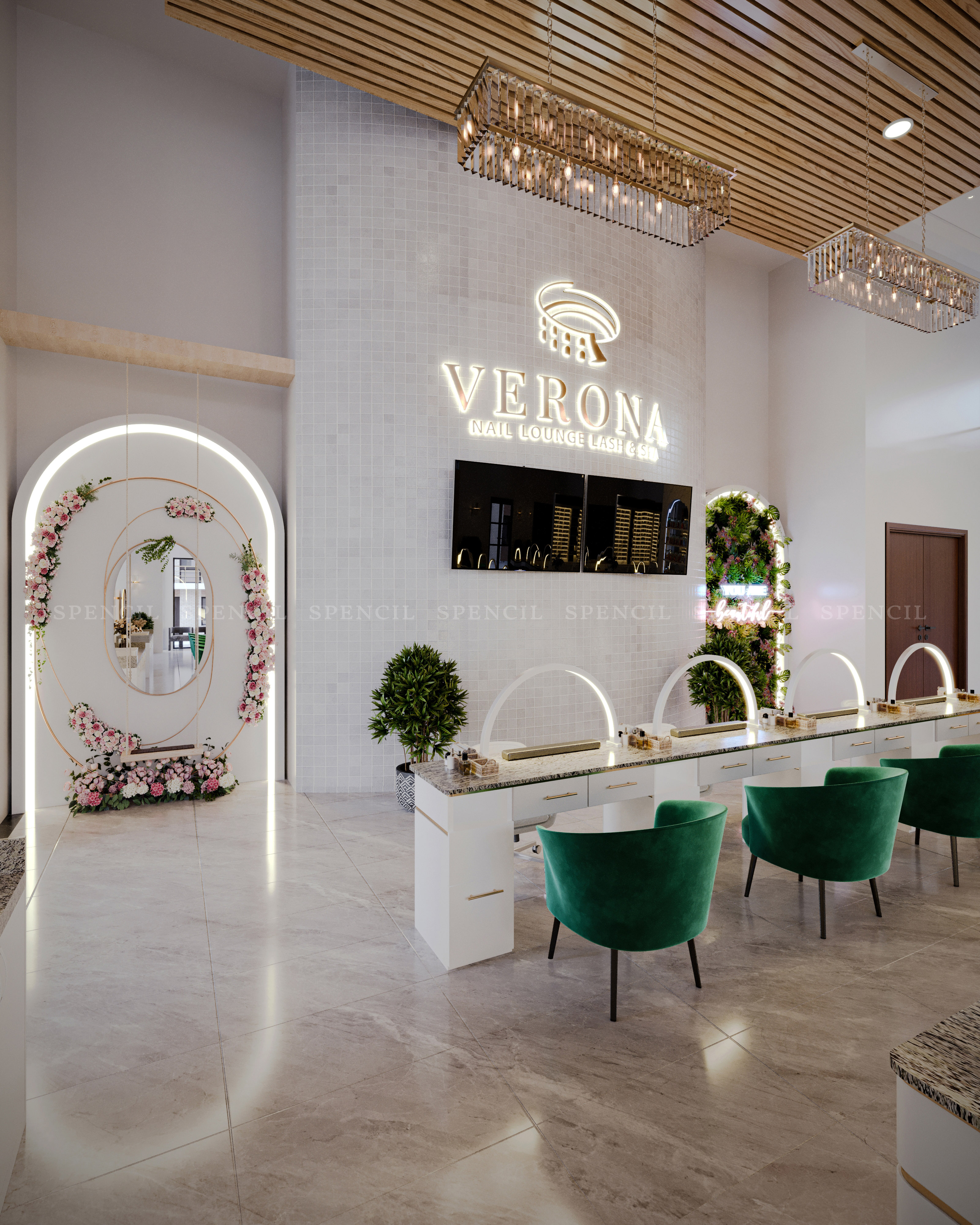
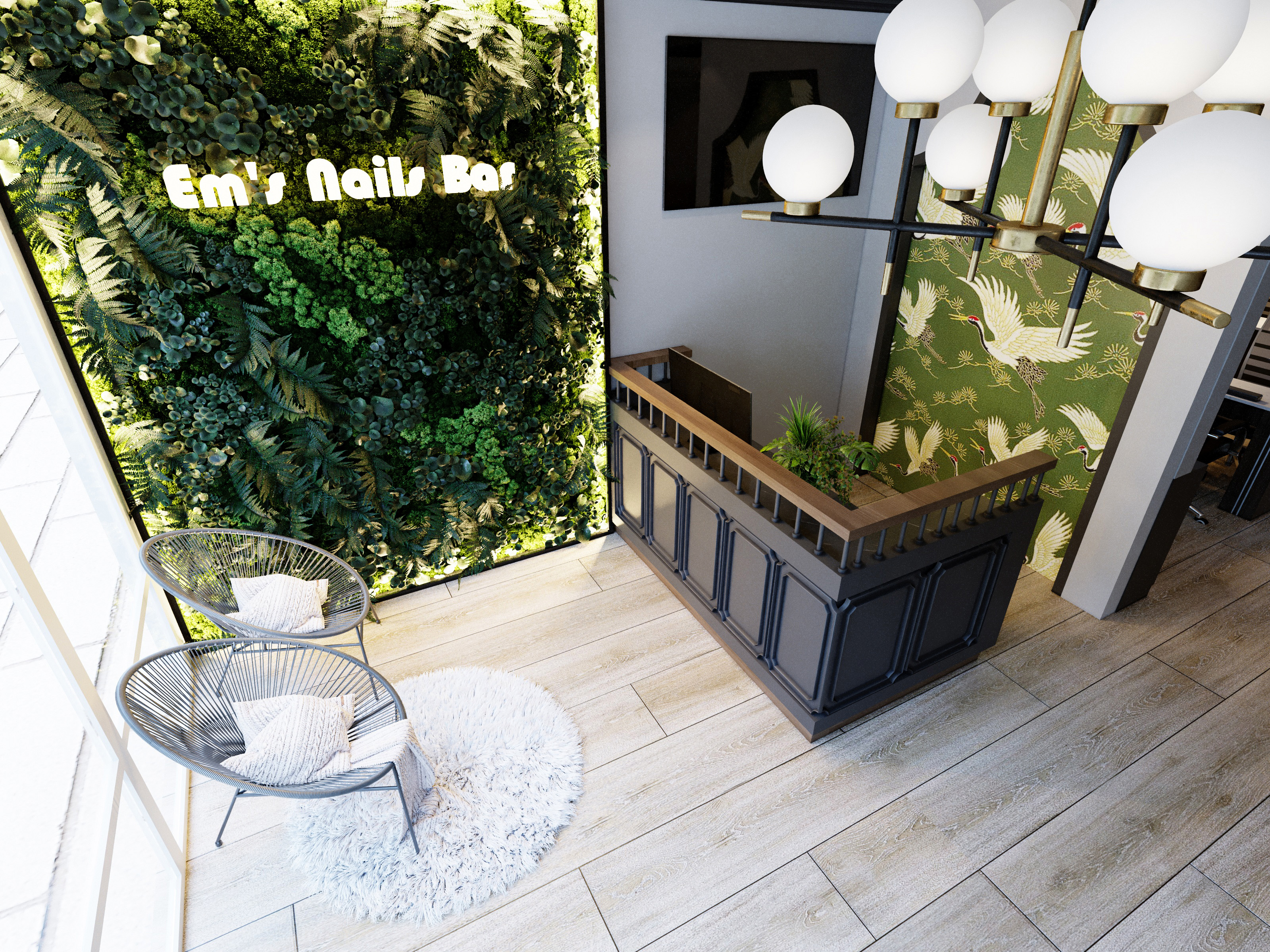
Dưới đây là một vài gợi ý những mẫu thiết kế 3D cho tiệm nail nhỏ xinh – đơn giản mà vẫn sang trọng, giúp tối ưu không gian và nâng cao hiệu quả kinh doanh nail spa tại Mỹ.
Kết Luận
Nhiều tiệm nail nhỏ đã thành công trong việc tối ưu không gian, tạo nên không gian làm đẹp tiện nghi và thu hút. Bạn có thể tìm cảm hứng từ các thiết kế hiện đại tại website spencil.co hoặc tham khảo ý kiến chuyên gia của Spencil. Thiết kế 3D tiệm nail nhỏ không chỉ là giải pháp mà còn là xu hướng. Hãy bắt tay vào thiết kế ngay hôm nay để nâng tầm dịch vụ và thu hút khách hàng!
Để một tiệm nail thành công tại Mỹ, ngoài tay nghề và dịch vụ chất lượng, trang trithiết kế không gian cũng đóng vai trò quan trọng trong việc tạo ấn tượng và giữ chân khách hàng lâu dài. Một không gian được đầu tư bài bản không chỉ giúp tăng trải nghiệm khách hàng mà còn nâng cao giá trị thương hiệu của tiệm. Dưới đây là những bí quyết giúp bạn sở hữu một tiệm nail thu hút, chuyên nghiệp và mang dấu ấn riêng.
1. LỰA CHỌN PHONG CÁCH THIẾT KẾ PHÙ HỢP
Các tiệm nail ở Mỹ phục vụ đa dạng khách hàng với những sở thích khác nhau, vì vậy phong cách thiết kế cần rõ ràng và đồng nhất với đối tượng mục tiêu. Bạn có thể chọn phong cách sang trọng, hiện đại hoặc nhẹ nhàng, tối giản tùy vào định hướng thương hiệu. Điều quan trọng là không gian phải tạo được sự thoải mái và gây ấn tượng ngay từ lần đầu bước vào.
Chọn phong cách thiết kế rõ ràng, phù hợp đối tượng khách hàng nail ở Mỹ
2. CHÚ TRỌNG BỐ CỤC KHÔNG GIAN TIỆM NAIL
Bố trí nội thất hợp lý sẽ giúp tối ưu không gian, tạo sự thuận tiện cho cả nhân viên và khách hàng. Với các tiệm nail ở Mỹ, nơi có lượng khách đông và yêu cầu cao về dịch vụ, việc phân chia khu vực hợp lý – từ làm móng, khu vực chờ đến quầy lễ tân – sẽ giúp tăng hiệu suất phục vụ mà vẫn đảm bảo sự thoải mái.
Bố trí hợp lý tối ưu không gian, tăng hiệu suất phục vụ
3. LỰA CHỌN MÀU SẮC VÀ ÁNH SÁNG HỢP LÝ
Màu sắc có tác động mạnh đến cảm xúc khách hàng. Những gam màu trung tính như trắng, be, xám nhạt giúp không gian tiệm nail trông rộng rãi và tinh tế hơn. Đối với các tiệm nail ở Mỹ, nơi khách hàng thường mong muốn trải nghiệm thư giãn lâu dài, hệ thống ánh sáng cần được bố trí hợp lý, sử dụng đèn LED có ánh sáng ấm để tạo cảm giác dễ chịu nhưng vẫn đủ sáng để nhân viên thao tác chính xác.
Màu Salon trung tính giúp không gian rộng rãi, tinh tế
4. SỬ DỤNG ĐỒ NỘI THẤT VÀ TRANG TRÍ HÀI HÒA
Nội thất không chỉ cần đẹp mà còn phải đảm bảo tính công năng. Những chiếc ghế làm nail êm ái, quầy lễ tân sang trọng hay kệ trưng bày sơn móng hợp lý sẽ giúp tăng trải nghiệm khách hàng. Ngoài ra, trang trí không gian bằng cây xanh, tranh ảnh nghệ thuật hoặc đèn decor cũng giúp tiệm nail thêm phần thu hút.
Nội thất cần đảm bảo cả thẩm mỹ và công năng
5. TẠO ĐIỂM NHẤN ĐỘC ĐÁO
Với số lượng tiệm nail ngày càng nhiều ở Mỹ, để tiệm của bạn không bị nhạt nhòa, hãy tạo dấu ấn riêng biệt. Có thể là một bức tường được vẽ nghệ thuật, một góc check-in lung linh hay cách sắp xếp bàn ghế mang đậm phong cách cá nhân. Đây chính là yếu tố giúp khách hàng nhớ đến và muốn quay lại lần sau.
Để tiệm nail ở Mỹ nổi bật, hãy tạo dấu ấn riêng với đồ decor độc đáo
6. ƯU TIÊN SỰ TIỆN NGHI VÀ THOẢI MÁI
Cuối cùng, một không gian thoải mái sẽ giúp khách hàng tận hưởng dịch vụ tốt hơn. Hãy đảm bảo tiệm có ghế ngồi êm ái, không gian thoáng đãng và mùi hương dễ chịu. Những yếu tố này sẽ khiến khách hàng cảm thấy thư giãn và có thiện cảm hơn với tiệm của bạn.
Không gian thoải mái giữ chân khách hàng và nâng tầm trải nghiệm dịch vụ
Tham khảo 15+ mẫu thiết kế tiệm nail đẹp ngất ngây do Spencil thực hiện thành công cho khách hàng ở Mỹ. Mỗi dự án đều mang dấu ấn riêng, giúp không gian tiệm nail trở nên sang trọng, thu hút và tối ưu trải nghiệm khách hàng.
KẾT LUẬN
Một thiết kế tiệm nail đẹp không chỉ giúp thu hút khách hàng mà còn góp phần xây dựng thương hiệu lâu dài, đặc biệt là trong thị trường cạnh tranh như Mỹ. Nếu bạn đang tìm kiếm một giải pháp thiết kế và thi công tiệm nail chuyên nghiệp, Spencil sẵn sàng đồng hành cùng bạn. Liên hệ ngay để được tư vấn và nhận ưu đãi tốt nhất!
Không gian spa không chỉ đơn thuần là nơi làm đẹp mà còn là điểm đến lý tưởng để khách hàng thư giãn, phục hồi năng lượng sau những ngày làm việc căng thẳng. Bên cạnh chất lượng dịch vụ, một thiết kế nội thất spa cao cấp với phong cách ấn tượng sẽ tạo dấu ấn mạnh mẽ, giúp khách hàng cảm nhận sự chuyên nghiệp ngay khi đặt chân vào.
Dưới đây là 5 phong cách spa nổi bật nằm trong chuỗi dự án nail spa của Spencil thiết kế, mang đến những trải nghiệm độc đáo và phù hợp với xu hướng hiện đại, giúp chủ tiệm nail spa định hướng không gian của mình một cách hiệu quả.
1 – Thiết kế nội thất spa Neo Classic – New Nail Salon
Phong cách thiết kế nội thất spa Neo Classic là sự giao thoa hoàn hảo giữa cổ điển và hiện đại, với việc loại bỏ những chi tiết rườm rà nhưng vẫn giữ nguyên sự sang trọng và lộng lẫy. Phong cách này được rất nhiều chủ tiệm spa ưa chuộng, nhờ vẻ ngoài thanh lịch và cảm giác chuyên nghiệp, phù hợp với xu hướng thiết kế hiện nay.
Bước vào khu vực sảnh, khách hàng sẽ cảm nhận ngay sự thoáng đãng nhờ các cửa sổ kính lớn đón ánh sáng tự nhiên. Không gian ngập tràn năng lượng và tươi mới, mang đến cảm giác thư thái không chỉ cho khách hàng mà cả đội ngũ nhân viên. Trần nhà bố trí đèn chùm và đèn pha lê, làm tăng thêm vẻ rực rỡ và quý phái cho toàn bộ không gian.
Những đường nét tinh xảo như vách CNC mạ vàng gold, cùng các nội thất ghế pedicure cao cấp từ da, ghế manicure viền kim loại vàng và kính được lựa chọn cẩn thận, giúp tạo nên một không gian ấm cúng mà vẫn không mất đi sự sang trọng và tinh tế.
Quầy bar kết hợp giữa chất liệu gỗ tự nhiên và đường nét thiết kế hiện đại tạo nên một không gian vừa đẳng cấp, vừa gần gũi, giúp khách hàng cảm thấy thư giãn và thoải mái khi trải nghiệm dịch vụ.
Phong cách thiết kế nội thất spa cao cấp nổi bật với vách tường hay sàn uốn cong cũng được chăm chút tỉ mỉ. Nhờ thiết kế lượn sóng, ánh sáng khi chiếu lên bề mặt tạo ra hiệu ứng ánh sáng phản chiếu, giúp không gian trở nên sinh động và cuốn hút.
Thêm vào đó, sự thư giãn và ấm áp cũng được tiếp nối luân phiên với khu vực chăm sóc da mang đến cảm giác ấm áp và thoải mái nhờ sự hiện diện của các tông màu trắng xám và kem, kết hợp cùng mảng tường phối marble cách điệu, giúp không gian trở nên mềm mại và thanh thoát hơn. Các kệ tủ và gương được bố trí khéo léo, vừa tận dụng không gian một cách tối ưu vừa đảm bảo sự gọn gàng và ngăn nắp.
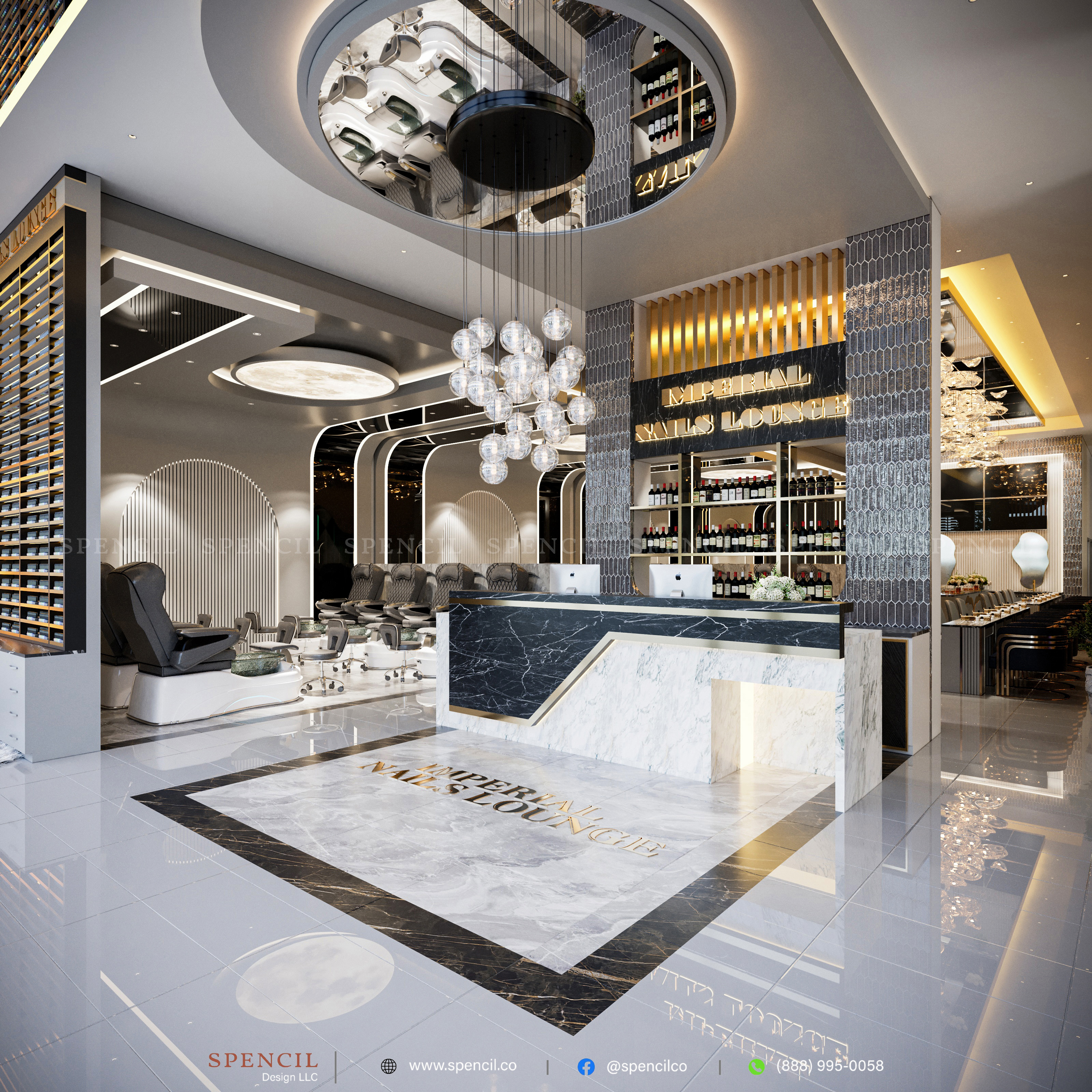
2 – Thiết kế nội thất spa Hiện Đại kết hợp Luxury – Imperial Nails Lounge
Không gian này là sự kết hợp tinh tế giữa phong cách Hiện đại và Luxury, mỗi phong cách đều có dấu ấn riêng trong cách bố trí, lựa chọn nội thất và phối màu. Sự hòa quyện này không chỉ mang đến vẻ đẹp sang trọng mà còn khẳng định đẳng cấp nhờ việc sử dụng những vật liệu cao cấp, được tuyển chọn kỹ lưỡng.
Với phong cách thiết kế nội thất spa cao cấp này, Spencil chú trọng tuyển chọn những vật liệu cao cấp để tạo nên không gian vừa tinh tế về thẩm mỹ, vừa bền vững theo thời gian. Sự kết hợp giữa những chi tiết hoa văn sắc sảo và bố cục không gian được tính toán kỹ lưỡng không chỉ mang đến vẻ đẹp ấn tượng mà còn đảm bảo sự tiện nghi, nâng tầm trải nghiệm cho khách hàng.
Phong cách thiết kế nội thất của Imperial Nails Lounge là sự kết hợp hoàn hảo giữa vẻ đẹp sang trọng bậc nhất và tiện nghi hiện đại. Không gian được chăm chút tỉ mỉ với bảng màu tinh tế gồm đen, trắng và xám, mỗi gam màu đều góp phần tôn lên sự thanh lịch, mềm mại và đẳng cấp cho tổng thể.
Ngay khi đặt chân vào không gian này, khách hàng sẽ cảm nhận ngay sự tinh tế trong từng chi tiết – từ những chiếc ghế manicure bọc da êm ái, điểm xuyết viền kim loại sang trọng, đến hệ thống chiếu sáng được bố trí khéo léo để tôn lên vẻ đẹp đẳng cấp. Các đường nét kiến trúc Luxury không chỉ tạo điểm nhấn cuốn hút mà còn kết hợp hài hòa với cách sắp xếp khoa học, mang đến tổng thể vừa tinh mỹ, vừa đầy sức hút.
Vật liệu cao cấp cùng bảng màu quyền lực đã tạo nên những điểm nhấn đầy lôi cuốn, mang đến cảm giác sang trọng và hấp dẫn. Thiết kế đầy quyền lực được xây dựng với mục tiêu thu hút khách hàng VIP cho tiệm, làm nổi bật các yếu tố cần thiết mà không mất đi sự tinh tế vốn có, đồng thời giúp tối ưu hóa công năng sử dụng.
Nội thất được thiết kế tỉ mỉ đến từng chi tiết, ăn khớp hoàn hảo với tổng thể không gian, không chỉ tôn vinh giá trị thẩm mỹ đẳng cấp mà còn tạo nên trải nghiệm sang trọng và tinh tế.
Phòng wax & lash: Thiết kế sang trọng với gam màu trầm ấm, nội thất cao cấp và hệ thống ánh sáng tinh tế, tạo không gian thư giãn riêng tư tuyệt đối, mang đến trải nghiệm dịch vụ đẳng cấp.
Dãy giường head spa bọc da cao cấp, đường nét thiết kế thanh lịch kết hợp cùng ánh sáng vàng dịu nhẹ và hương thơm tinh tế, giúp khách hàng tận hưởng liệu trình gội đầu dưỡng sinh một cách trọn vẹn và thư thái.
Không gian được bố trí các lớp rèm mỏng nhẹ, không chỉ tạo sự riêng tư tinh tế giữa các giường massage mà còn mang đến cảm giác thư thái, bay bổng cho khách hàng. Chất liệu mềm mại của rèm giúp phân tách không gian một cách nhẹ nhàng, đồng thời tăng thêm vẻ thanh thoát và sang trọng cho tổng thể thiết kế.
Không gian spa chuyên nghiệp Imperial Nails Lounge lấy cảm hứng từ phong cách thiết kế nội thất Hiện đại và Luxury, là một điểm đến làm đẹp cũng như chăm sóc sức khỏe cao cấp và đặc biệt, thu hút khách hàng VIP từ thị trường Nail spa ở Mỹ.
3 - Thiết kế nội thất spa Cao Cấp Hiện Đại – Sunny Nail
Phong cách thiết kế nội thất spa cao cấp tại Sunny Nail mang đến không gian thư giãn tối ưu nhờ sự kết hợp hài hòa giữa tối giản và sang trọng. Điểm nhấn của phong cách này chính là bố cục gọn gàng, đường nét mạch lạc, tạo nên sự tinh tế mà không rườm rà.
Nội thất được thiết kế thông minh với từng khu vực chức năng rõ ràng, giúp tối ưu hóa diện tích và nâng cao trải nghiệm cho cả khách hàng lẫn nhân viên. Sự kết hợp khéo léo giữa ánh sáng, vật liệu hiện đại và gam màu trung tính mang đến cảm giác nhẹ nhàng, thư thái nhưng vẫn đảm bảo sự đẳng cấp cho không gian spa.
Phong cách hiện đại với bảng màu trung tính trắng, xám, be giúp không gian rộng rãi, thanh lịch, điểm nhấn đen tạo chiều sâu. Sự kết hợp này mang đến cảm giác thư giãn, nâng tầm trải nghiệm spa.
Không gian được bố trí khoa học, tối ưu di chuyển và sắp xếp khu vực dịch vụ hợp lý, đảm bảo sự thuận tiện cho khách và nhân viên.
Đặc biệt, thiết kế nội thất spa cao cấp chú trọng vào việc tối ưu hóa không gian nhỏ, với các nội thất đa chức năng giúp tiết kiệm diện tích mà vẫn đảm bảo sự thoải mái cho người sử dụng.
4 – Thiết kế nội thất spa Wabi Sabi – E's Beauty
Phong cách thiết kế nội thất spa Wabi Sabi trong dự án E’s Beauty tôn vinh vẻ đẹp mộc mạc, tự nhiên với những đường nét bất đối xứng đầy nghệ thuật. Không gian mang đậm tinh thần thiền định, nơi mỗi chi tiết đều toát lên sự giản dị nhưng tinh tế, giúp khách hàng tìm thấy sự an yên và thư giãn tuyệt đối.
Khu vực tiếp khách của spa gây ấn tượng với thiết kế độc đáo, đậm dấu ấn cá nhân. Sự kết hợp tinh tế giữa gỗ, tre, mây trong thiết kế nội thất spa cao cấp không chỉ mang đến vẻ đẹp mộc mạc mà còn tạo cảm giác thư giãn tuyệt đối, giúp khách hàng thả lỏng ngay từ khoảnh khắc đầu tiên.
Bảng màu chủ đạo với sắc nâu gỗ ấm áp, sắc xanh từ cây cảnh dịu mát, xám nhạt và trắng tinh khiết tạo nên một không gian thư giãn đầy tinh tế. Từng món nội thất trong thiết kế nội thất spa cao cấp đều được chế tác riêng, phản ánh trọn vẹn gu thẩm mỹ và ý tưởng độc đáo của chủ đầu tư.
Sự kết hợp tinh tế giữa ánh sáng tự nhiên và hệ thống đèn dịu nhẹ không chỉ tôn lên vẻ đẹp nguyên bản của vật liệu mà còn tạo ra một không gian thư giãn đầy chiều sâu, mang đến trải nghiệm yên bình và tinh tế cho khách hàng.
Phong cách thiết kế nội thất spa Wabi Sabi đề cao sự tối giản và công năng, với những chiếc bàn, mặt tủ mang vẻ đẹp thô mộc tự nhiên. Các giá đỡ bằng gỗ đơn sơ nhưng tinh tế, không chỉ đảm bảo tính tiện dụng mà còn góp phần tạo nên một không gian hài hòa, đậm chất thiền.
Tổng thể không gian được chăm chút để mang đến cảm giác thư thái tuyệt đối, giúp khách hàng tận hưởng sự ấm cúng và gần gũi như đang thư giãn trong chính ngôi nhà của mình.
5 – Thiết kế nội thất spa Modern Rustic – Lady Nail
Phong cách Modern Rustic mang đến sự hòa quyện hoàn hảo giữa nét đẹp thô mộc và sự sang trọng hiện đại. Trong không gian spa cao cấp này, màu nâu mocha Pantone Color Hot 2025 được chọn làm tông màu chủ đạo, tạo cảm giác ấm áp ngay khi khách hàng bước vào.
Ngay tại khu vực đón tiếp, bàn reception được thiết kế từ chất liệu gạch đá mài terrazzo với bề mặt mịn màng và hoa văn ngẫu nhiên đầy nghệ thuật, mang đến vẻ đẹp độc đáo và hiện đại.
Khu vực waiting lounge lại gây ấn tượng với thiết kế đậm chất quý tộc, những chiếc ghế bọc nhung cao cấp đầy màu sắc tạo nên không gian tiếp đón khách hàng ấn tượng và đầy sức sống.
Điểm nhấn độc đáo nằm ở họa tiết tường nổi 3D, với các mảng tường được thiết kế có chiều sâu, mô phỏng vân gỗ tự nhiên hoặc đá xẻ thô, mang đến vẻ đẹp mạnh mẽ nhưng vẫn tinh tế.
Ánh sáng dịu nhẹ từ đèn thả trần càng làm nổi bật hiệu ứng thị giác này, giúp không gian trở nên ấn tượng hơn.
Không chỉ dừng lại ở chất liệu, khu vực decor cũng được chăm chút tỉ mỉ với những điểm nhấn trang trí độc đáo. Điểm nhấn đặc biệt trong decor là bức tượng thiếu nữ đầy quyến rũ, đặt tại vị trí trung tâm như một tác phẩm nghệ thuật tinh tế.
Sự kết hợp giữa những đường nét mềm mại của bức tượng và chất liệu nội thất mang phong cách thô mộc giúp không gian trở nên hài hòa, vừa sang trọng vừa gần gũi. Đây chính là sự giao thoa hoàn hảo giữa hiện đại và cổ điển, tạo nên một spa không chỉ đẹp mà còn đẳng cấp.
Trong khu vực chăm sóc và trị liệu, ánh sáng vàng ấm được kết hợp tinh tế với các chi tiết gỗ nâu để mang đến không gian dịu mắt, thư giãn, giúp khách hàng thả lỏng cơ thể và tinh thần. Thiết kế nội thất spa cao cấp này không chỉ tạo cảm giác ấm cúng, mà còn hỗ trợ tối ưu cho các liệu trình trị liệu, nâng cao hiệu quả thư giãn và phục hồi.
Spa không chỉ là điểm đến để thư giãn mà còn là nơi giúp khách hàng phục hồi năng lượng, lấy lại sự cân bằng và tận hưởng những giây phút trọn vẹn cho bản thân. Với những thiết kế nội thất spa cao cấp độc đáo, hợp thời, Spencil mong muốn mang đến trải nghiệm đẳng cấp và khác biệt, đồng thời nâng tầm giá trị thương hiệu cho mỗi chủ tiệm.
Liên hệ ngay với Spencil để được tư vấn và hiện thực hóa không gian nail salon sang trọng, tiện nghi, phù hợp với xu hướng tại mọi tiểu bang ở Mỹ. Chúng tôi luôn sẵn sàng đồng hành cùng bạn 888-995-0058!
Ngành nail ở Mỹ đang cạnh tranh khốc liệt, buộc các chủ tiệm phải không ngừng đổi mới để giữ chân khách hàng. Thay vì chỉ tập trung vào dịch vụ nail, tại sao không mở rộng kinh doanh bằng cách kết hợp thêm spa? Việc tích hợp các dịch vụ như massage, facial, wax hay gội đầu dưỡng sinh không chỉ giúp tăng nguồn thu mà còn thu hút thêm nhiều khách hàng mới. Tuy nhiên, để khai thác hiệu quả, thiết kế nội thất spa cao cấp là yếu tố then chốt, giúp không gian trở nên chuyên nghiệp, tiện nghi và tối ưu trải nghiệm khách hàng. Tìm hiểu ngay!
Kết Hợp Nail Với Các Dịch Vụ Spa Trong Thiết Kế Nội Thất
1. Kết Hợp Nail Với Gội Đầu Dưỡng Sinh – Xu Hướng Được Ưa Chuộng
Gội đầu dưỡng sinh không chỉ là nhu cầu thiết yếu làm sạch tóc mà còn giúp thư giãn, giảm stress. Khi tích hợp dịch vụ này vào tiệm nail, chủ tiệm cần thiết kế một khu vực riêng biệt với:
Ghế gội đầu chuyên dụng có chế độ massage để tăng trải nghiệm khách hàng.
Không gian yên tĩnh, ánh sáng dịu nhẹ, giúp khách thư giãn khi sử dụng dịch vụ.
Hệ thống tủ đựng dầu gội, khăn sạch, đảm bảo vệ sinh và tiện lợi cho nhân viên.
Mùi hương tinh dầu nhẹ nhàng, kết hợp cùng âm nhạc êm dịu tạo cảm giác thư thái.
Lợi ích: Khách hàng có thể vừa làm nail vừa thư giãn với dịch vụ gội đầu, giúp tăng thời gian lưu lại tiệm và chi tiêu nhiều hơn.
2. Tích Hợp Nail Với Massage – Nâng Cấp Trải Nghiệm Khách Hàng
Massage giúp giải tỏa căng thẳng, cải thiện lưu thông máu và mang lại cảm giác thư giãn tuyệt đối. Để kết hợp massage vào tiệm nail, cần chú trọng:
Phòng massage riêng tư, cách âm tốt để đảm bảo sự yên tĩnh.
Giường massage chuyên dụng, có nệm êm và độ cao phù hợp.
Hệ thống ánh sáng vàng dịu nhẹ, giúp khách thư giãn tối đa.
Tinh dầu và nến thơm, tạo không gian spa chuyên nghiệp.
Lợi ích: Giúp tiệm nail không chỉ là nơi làm đẹp mà còn trở thành điểm đến lý tưởng cho những khách hàng muốn thư giãn, nâng cao sức khỏe.
3. Kết Hợp Nail Với Wax – Tối Ưu Nhu Cầu Làm Đẹp
Waxing là dịch vụ được nhiều khách hàng tại Mỹ quan tâm, đặc biệt là phụ nữ. Khi tích hợp vào tiệm nail, cần thiết kế một khu vực nhỏ gọn nhưng đảm bảo riêng tư:
Giường hoặc ghế waxing, có thể điều chỉnh để phù hợp với từng vùng cần wax.
Hệ thống tủ đựng dụng cụ, giúp sắp xếp sáp wax, khăn sạch gọn gàng.
Không gian kín đáo, có rèm hoặc vách ngăn để tạo sự thoải mái cho khách hàng.
Lợi ích: Tăng tính tiện lợi cho khách, giúp họ tiết kiệm thời gian khi có thể làm nail và wax trong cùng một lần ghé tiệm.
4. Tích Hợp Facial – Đưa Tiệm Nail Lên Một Tầm Cao Mới
Dịch vụ facial đang ngày càng phổ biến tại Mỹ nhờ nhu cầu chăm sóc da tăng cao. Khi kết hợp với tiệm nail, cần chú trọng:
Giường spa chất lượng cao, có gối cổ hỗ trợ khách hàng nằm thoải mái.
Đèn LED trị liệu, giúp tăng hiệu quả của các liệu trình chăm sóc da.
Hệ thống máy móc hiện đại như máy xông hơi, máy đẩy tinh chất.
Lợi ích: Giúp tiệm nail thu hút nhiều khách hàng hơn, đặc biệt là nhóm khách yêu thích chăm sóc sắc đẹp toàn diện.
Thiết Kế Nội Thất Spa Cao Cấp – Bước Đi Mở Rộng Cơ Hội Kinh Doanh
Chỉ tập trung vào làm nail có thể khiến bạn bỏ lỡ nhiều cơ hội. Khi khách hàng ngày càng quan tâm đến các dịch vụ làm đẹp trọn gói, việc mở rộng sang spa massage, facial, wax hay gội đầu dưỡng sinh sẽ giúp bạn đón đầu xu hướng, tăng doanh thu và giữ chân khách hiệu quả.
Một thiết kế nội thất spa cao cấp không chỉ tạo nên không gian sang trọng, chuyên nghiệp mà còn tối ưu công năng, giúp khách hàng có trải nghiệm tốt nhất. Nếu bạn đang muốn nâng tầm tiệm nail của mình, đây chính là thời điểm vàng để hành động!
Liên hệ ngay để được tư vấn thiết kế nội thất spa cao cấp chuyên nghiệp, phù hợp với xu hướng tại Mỹ!


.jpg)

.jpg)

.jpg)

.jpg)
.jpg)
.jpg)
.jpg)


.jpg)
.jpg)

.jpg)
.jpg)
.jpg)

.jpg)
.jpg)

.jpg)


.jpg)

.jpg)

.jpg)


.jpg)
.jpg)


.jpg)

.jpg)
.jpg)
.jpg)
.jpg)
.jpg)
.jpg)
.jpg)
.jpg)
.jpg)


.jpg)


.jpg)
.jpg)
.jpg)
.jpg)
.jpg)
.jpg)
.jpg)


.jpg)
.jpg)
.jpg)
.jpg)
.jpg)