Read, share, inspire

Read our latest interior design guides, tutorials, and how-tos.

Thank you! Your submission has been received!
Oops! Something went wrong while submitting the form.
Uncategorized
The Most Affordable Interior Design for 2023
February 28, 2023
All Items

Money is a limited resource, and you don't instantly have the budget to make your dream a reality. Fret not because we're here to prove that anyone can do it! We've collected 15 affordable interior design ideas to inspire you to achieve a stunning space without breaking the bank.

1. Repurpose that Old Furniture for a Rustic Look

Photo by adrian vieriu from Pexels

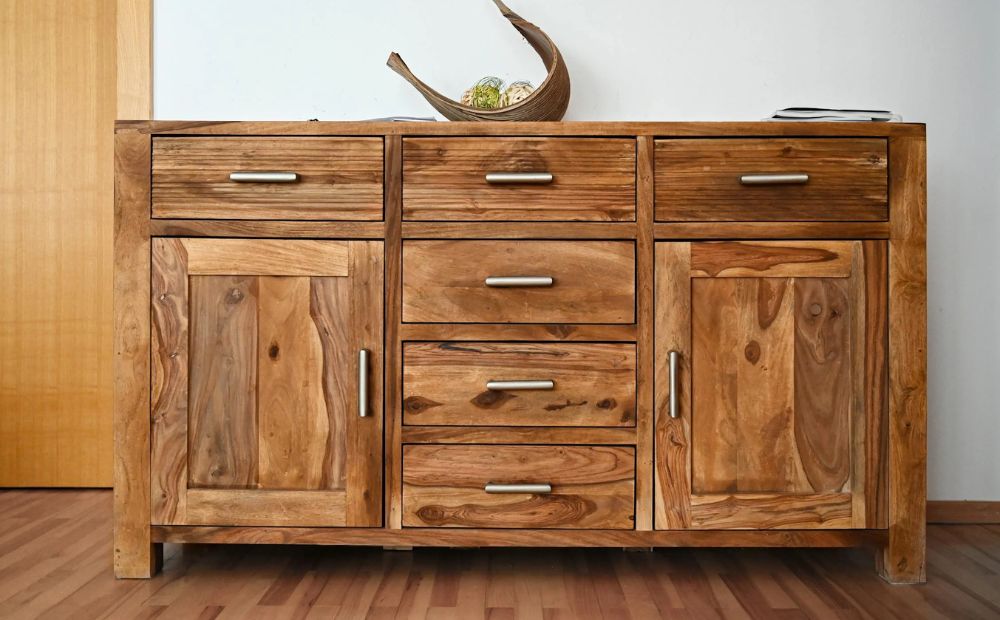
Designing a rustic-style home doesn't have to be expensive. You can create an inviting entryway by adding old classical wooden furniture. The vintage beauty of an old-world carved cabinet that doubles as a console table adds a charming feel to any part of the house. The floral-carved reclaimed wood doors and intricately detailed doors help you feel the energy of nature.

2. Get Rid of the Clutter

Photo by Donald Tong from Pexels

Let's admit it, clutter is never attractive and doesn't benefit your home either. The first step to achieving a beautiful home while saving money is purging excess clutter. Decluttering your space will also make storing everything neatly in your available area easier. For example, start with a tiny drawer and continue one room at a time. When you begin, it will feel more, and you'll be inspired to continue.

3. Get Crafty 

Use a DIY photo frame with wooden slats and rustic twigs to save on costly wall decors. This makes the desk in your bedroom or home office beautiful. In addition, you can also add an element that reflects your personality. It could be your favorite guitar, vintage mirrors, or a few chic hats. 

4. Visit Flea Markets for Affordable Decors

Visit a flea market to find pre-loved items just right for your home. Keep your creative mind awake while walking around a flea market. The things you'll find are probably not precisely what you want, but you'll often find the perfect one for your home.

5. Think Outside the Box

Photo by Max Vakhtbovycn from Pexels

Imagine stepping into a bathroom that feels more like an art installation than a typical washroom. Here, one side of the walls is adorned with white and gray patterns. Instead of a standard mirror, there's a sleek, round one that perfectly matches the all-white sink.

6. Prioritize your Color Palette and Style

The number one thing to consider in creating a stunning home is connected throughout the rooms. Before starting a home renovation, look through different design styles and choose the elements you like the most. Next, create a design board, probably on Pinterest, and collect photos of rooms and objects you love. Finally, choose the color palette you will use, choosing the color you'll admire for a long time. 

7. Go for Easy Budget Interior Design Update

Photo by Taryn Elliott from Pexels
Spruce up your space through an affordable interior design upgrade. Even a small detail could make a big difference. In our example, the interior designer upgraded the bed by replacing traditional wood with a beautiful rattan headboard. The updated element complements the cream color tone of the room. 

8. Add Minimal Accessories 

Artworks, vases, cushions, trays, candles, and more prettify every corner of the home. Contrary to what others believe, these are not just dust catchers but can help your home in multiple ways. It gives an updated feel to existing furniture and covers some flaws in worn-out pieces.

9. Repaint 

Here's another affordable interior design idea: repaint your walls. Look at this stunning deep teal blue wall accent. The color embodies depth alongside the warmth, relaxed and calm, cozily enveloping, yet never overwhelming. In short, it represents the perfect qualities for any home.

10. Mix and Match Patterns and Texture 

Patterns and textures are unique tools in your affordable interior design project. First, they add depth to a surface and will do wonders in updating your existing furniture. But that's not all that they can do. Patterns and textures can create a vibe in the space.

11. Show Off Your Personality 

This essential decor tip is one of the most effective to contain the budget. And it applies to virtually everything. By mixing different styles, you will achieve the one that reflects you. In this example, there's the bike that says the owner loves the outdoors and biking. Mixing expensive pieces with inexpensive finds will make the most of your budget. Similarly, combining new and vintage will create an interesting layered effect on your home. 

12. Proper Lighting is the Key 

Photo by Vecislavas Popa from Pexels

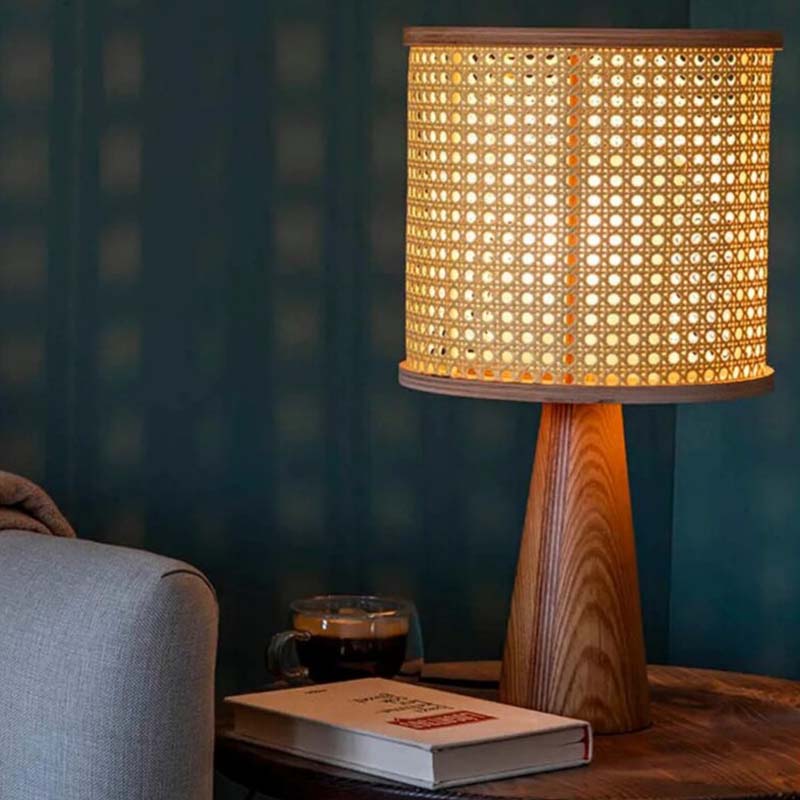
When it comes to lighting, the best advice is layering. Proper lighting will give you options to use the space in different ways. Always start with overhead lighting, suitable for lighting up the room. Then add floor or table lamps to create a spot to read and write comfortably. Lamps also produce a softer atmosphere in the evening. Finally, add diffuse lights such as candles and string lights to add a cozy vibe. 

13. Embrace the Work in Progress Idea

You can't decorate your entire home in one go. Home renovation may require some mental training at first. However, try to let go of things one room at a time, especially if they're imperfect in a particular area. Take time to complete an affordable interior design project. It will make the result even more rewarding! 

14. Value the Heritage 

The family heirlooms, old China, oil portraits, and even your weird childhood sketches must always find a room or wall for themselves. Pick pieces that work together, belong to the same aesthetic and color scheme, and look glamorously global too! A coordinated collection of accents adds life to a wall giving your space a gallery-like effect.

15. Flaunt Those Paintings

Give your living room wall the feel of an art gallery by displaying a few of your favorite paintings. Choose frames to coordinate with the overall decor and color scheme. Hang them to exhibit style leaving uniform intervals between edges to maintain a sense of consistency. And alas, you have an instant conversation starter at your next get-together! 

Conclusion

So there you have it! This affordable interior design idea will make your new house gorgeous. In the past, interior design was often seen as a luxury only available to the wealthy. But, with affordable options now available, everyone can create a space that reflects their personality and meets their needs.

Featured Image: Photo by Lotus Design N Print on Unsplash

Uncategorized
15 Declutter Home Ideas to Keep Your Home Tidy and Organized
February 28, 2023
All Items

A clean and organized home can do magic! Decluttering is a great way to simplify your life and improve your mental well-being. It also means that you will ultimately be left with the needed items. Ultimately, you'll be left with functional objects, nifty organizers, and pieces you love, like artwork. Here are 15 proven declutter home ideas to guide your home organizing journey. 

1. Determine your goals.

Image Credit: Lotus Design N Print on Unsplash

Before decluttering your home, figure out what you want to complete. Which room do you want to focus on? Whether to declutter your kitchen, home office, or the entire house, determine what's working in the area and what's not. Once you know the room's problematic areas, you can prepare to fix them. 

2. Choose five critical areas to declutter. 

The thought of decluttering your entire residence may be overwhelming. In this situation, creating a list and checking each off as you go is best. Design experts say you must identify five areas in your home to organize. Then, divide clutter into priority categories. For example, start with the kitchen cupboard or your bedroom drawers. 

It might be tempting to transfer from one room to another while decluttering. So, once you have created a plan, stick to it.

3. Use your storage unit wisely. 

It's time to change your ways. You're doing it wrong if you remove items from a room and stash them in your storage! Use your storage unit, whether a closet, attic, or basement. Ensure that everything in your storage is also clutter-free. 

4. Find items that bring you joy. 

As the famous Marie Kondo teaches, only keep items that spark joy. But this doesn't mean they have to bring you joy every second. If you have seasonal belongings, like winter clothing or many Christmas ornaments, you can neatly stow those away until needed.

5. Start small.

Image Credit: Crew on Unsplash

Start with smaller tasks if you are still overwhelmed with many declutter home ideas. Inspired individuals accomplish excellent results. It may be your bedroom cabinet or kitchen shelf. Decide on a room or areas and continue in the room until you have organized

6. Allocate decluttering time. 

Start by allocating a particular time every day that works within your everyday schedule. Depending on your school, it could be five, 10, 20, or 30 minutes. Adding some achievable targets for every planned task would also be good. 

7. Schedule big projects on weekends.

Try saving big projects for the weekend. This will give you a better chance of feeling satisfied with your work since you'll have a more extended period to work on it.

8. Shop for storage organizers.

Image Credit: RDNE Stock project on Pexels

Storage to organize what you keep differs based on your needs. Mason jars, large plastic bags, and vacuum storage bags are popular choices for decluttering. 

9. Pretend you are moving. 

Moving is no easy task, so pretending you're doing it as you declutter a space will help you weed out your belongings. Plus, if you move in the future, you won't have to spend so much time decluttering during the process.

10. Follow the one-in-one-out method. 

To better maintain a decluttered space, promise to eliminate one item for every new thing you bring into your house. With this method, you will only start to amass a little stuff.

11. Follow the 90/90 rule.

The Minimalists had helped thousands of people through their 90/90 rule. Ask yourself if you've used it in the last 90 days. If you haven't, will you use it in the next 90? If you don't think you will let it go. Note that the specific number is flexible. For you, it could be longer or shorter. The method will help you decide what's necessary to keep.

12. Ask yourself if it's something you'd buy now.

If you didn't have the item you're debating tossing, determine if it's something you'd buy today. This can help you eliminate anything from clothing you've outgrown to decor that no longer fits your style.

13. Keep flat surfaces clear.

Image Credit: Jason Briscoe on Unsplash

An easy way to maintain a clean space is to keep flat surfaces free of many items. Whether it's your kitchen counters or the desk in your home office, less is more.

14. Reduce paper clutter.

An easy way to maintain a clean space is to keep flat surfaces free of many items. Whether it's your kitchen counters or the desk in your home office, less is more.

15. Keep items from piling up.  

If you're the type of person who lets clothes and accessories pile up on a chair in your bedroom, consider altering that habit. Use hooks or an easily accessible rack to hang hats, jackets, and more. If that's still too much, place a laundry hamper or basket near the chair, so you can still throw things in it quickly but maintain a neat look.

Conclusion

Now you've removed your home from clutter. It would be best if you keep your humble abode clutter-free. Show your family the benefits of a clutter-free home and set some rules for putting stuff away, whether that be with some clutter baskets in each room to sort out weekly. Plus, getting acquainted with the essential home interior design elements will help you implement these declutter home ideas effectively. 

Featured image credit: Kam Idris on Unsplash

No Category
Spacejoy Review: The Best Interior Design Service?
February 24, 2023
All Items

Have you ever imagined your space looking different, but didn't know how to make it happen? Even if you've got a great eye for design, getting all the details together is challenging. You can end up with a subpar room or never get around to completing the look at all. If this sounds familiar, Spacejoy's interior design service may intrigue you. In this Spacejoy review, we lay out the pros and cons so you can decide if it's worth your hard earned cash.

Spacejoy Review: How it Works

Designing or redesigning any space is a guessing game. While that chair might look beautiful in the display room, it might look awful in your space. You won't know until you buy it, and of course, by then it's a hassle to return. This goes double for paint and flooring � Imagine redoing your entire space only to realize the lighting makes it look totally different from what you expected. This happens all the time, even to seasoned interior designers.

Especially if you're making bold changes to a space, it's hard to be confident without any visuals. Spacejoy fills this gap and provides custom 3D imagery of your space with new floors, paint, furniture, window treatments, and more.

As an interior design planner, Spacejoy allows you to see the new design and make detailed changes before even lifting a finger.

Before checkout, you'll be asked to share: 

  • Why you're redesigning (eg. new baby, new apartment)
  • How soon you want the design complete
  • Your budget

Photo by Spacejoy from Unsplash

You'll need to share how the space will be used, who lives in the space (eg. kids, pets, etc), and what current elements you want to keep/design around. This will give the designers all the info they need to take your project and run with it. 

Spacejoy Pricing Packages

Interior design services are known to be a bit pricey, especially if your space is large. Fortunately, collaborative 3D interior design software is more accessible than ever, and prices are reasonable. 

All plans include

  • design delivery within 10 days
  • one-on-one access to a designer
  • window treatments
  • paint recommendations
  • realistic 3D images of your redesigned space
  • designer-curated shopping list

There are three tiers to choose from.

1. Delight - $299

With this plan you get: 

  • 1 room / 1 design
  • 2 revisions

2. Bliss - $399

With this plan you get: 

  • 1 room - 2 design concepts
  • 2 revisions
  • support for product alternates up to 2 months after design delivery
  • 30 min video consultation with designer
  • flooring recommendations

3. Euphoria - $599

With this plan you get: 

  • design for 1 room - 2 concepts
  • design delivery in 7 days
  • access to a top tier designer
  • 4 live design revisions
  • support for product alternates up to 4 months after design delivery
  • 1 hour video consultation with designer
  • extra designer recommended products for key pieces 
  • finish selections for kitchen and/or bathroom renovations
  • flooring recommendations

The Pros of Spacejoy

Whether it's your first time designing a room, or you're just looking for inspiration and new furniture ideas, Spacejoy is a place you can start. From DIY projects to room revamps, Spacejoy helps you conceptualize the change you want to make in your space. Let's look at some of the pros to using this interior design service.

Regular Updates

If you're paying for a design service for the first time, you might feel uneasy about the process. Did I make the wrong choice? Are they going to understand my requests? Fortunately, Spacejoy's interior design app doesn't leave you hanging. After you submit your information and buy a package, you'll receive regular updates about your project.

Thorough Customization

With such a wide selection of product options, there's something for everyone. Whether you prefer minimalist, traditional, mid-century modern, or any other popular design styles, Spacejoy has you covered.?

Price Matching

Spacejoy offers a price match guarantee. If you find the same item priced cheaper on another website, you can ask them to match it. This ensures you're getting more value out of their service.

No Pressure

You might assume that as Spacejoy designers recommend specific items for your space, you'll be pressured to buy them. Fortunately, this isn't the case (Who wants to endure a pushy sales pitch?) Spacejoy's job is to find furniture and decor that match your style and budget. But once they suggest specific items, you're under no obligation to buy them. If there's something you don't like, simply tell your designer and they'll swap it out for something more appropriate.

Screenshot from Spacejoy

The Cons of Spacejoy

Stripped Down

One possible downside of Spacejoy is that it's a very simple service. If you're looking for detailed assistance or your project is going to take a bit longer, it may not be the service for you. Spacejoy has a step-by-step, cookie cutter system. So if you're looking for personalized help or you want to control the process, you may want to opt for a different service.

Limited Products

Let's say you're looking through Spacejoy and you can't find a painting you really like. One downside of this platform is that it's limited to specific, popular brands you may or may not like. So if you're looking for a truly unique piece of art or furniture, you may not find it on Spacejoy.

Longer Wait Times

While Spacejoy promises quick interior designs, they're becoming a more popular platform. This means once you put in a request, you have to take your place in line behind lots of other people. This isn't to say Spacejoy is going to cut corners on your project, but you may wait a little longer than you would with a competing service.

Is Spacejoy worth it?

With the pros and cons weighed, the platform is definitely worth considering. Is Spacejoy the best interior design service on the marketplace? That's up for you to decide. 

Interior design services are great if you're not much of a designer or simply want the process handled for you. If you're working with reputable designers who prioritize your vision, you're bound to walk away with some fantastic upgrades to your space.

We hope this Spacejoy review gives you a good idea of the service � and be sure to compare it to other design services to make the right choice for you.

If you're looking for help designing a commercial space, Spencil can help. View our portfolio of interior designs.

Featured Image Credit: Photo by Spacejoy from Unsplash

No Category
9 Sustainable Interior Design Ideas for an Eco-Friendly Space
February 23, 2023
All Items

Spending time in your own space can be even more relaxing when you know you're not harming Mother Nature. In this article, we'll discuss sustainable interior design as well as examples of how you can make your space eco-friendly.

What is sustainable interior design?

Photo by Nugroho Wahyu

Sustainable interior design pertains to an approach to designing interior spaces that consider the environmental impact of the materials, products, and systems used in the space. This type of interior design aims to create spaces that are not only beautiful and functional but also socially conscious and environment-friendly.

This design approach involves using materials made from renewable or recycled materials. In the same vein, it may also include using energy-efficient systems and employing strategies to optimize natural light and ventilation.

What are examples of sustainable design?

Here are some examples of sustainable interior design and how you can apply them in your space.

1. Use Sustainable Materials

Photo by Kaboompics.com on Pexels

Using sustainable materials is a critical part of sustainable interior design. Sustainable materials are renewable, non-toxic, and have a low environmental impact throughout their lifecycle, from extraction to disposal. By incorporating sustainable materials into interior design, it's possible to reduce the environmental impact of buildings and create healthier spaces.

One example of sustainable material is bamboo. Bamboo is a fast-growing and renewable resource often used for flooring, furniture, and decor. It has a lower environmental impact than traditional hardwoods, as it requires less water and pesticides to grow and can be harvested more sustainably. Aside from bamboo, you can also use reclaimed wood, cork flooring, and renewable materials produced with less water and energy.

2. Energy-Efficient Lighting

Photo by Get Lost Mike on Pexels
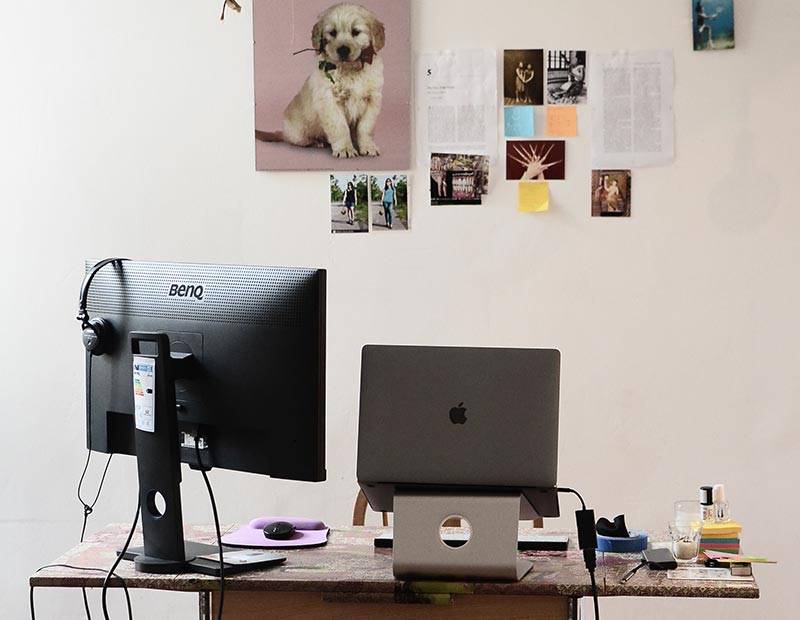
Lighting accounts for a significant portion of a building's energy consumption, and by choosing energy-efficient lighting, it's possible to reduce energy use and lower the environmental impact of a space.

Two of the most popular energy-efficient lighting options are LED lighting and compact fluorescent lamps. These use significantly less energy than traditional incandescent bulbs. Daylighting is another crucial aspect of energy-efficient lighting. It can be achieved by using windows, skylights, and other methods to allow natural light to enter a space. By maximizing natural light, it's possible to reduce the need for artificial lighting.

3. Choose Eco-Friendly Furniture

sustainable interior design
Photo by: Taryn Elliott on Pexels

Furniture production can significantly impact the environment, from the materials used to create furniture to the production and transportation process. That said, choosing eco-friendly furniture makes it possible to reduce a space's environmental impact. At the same time, many eco-friendly options offer color versatility, making them a good fit for almost any interior design color scheme.  

4. Go for Organic Fabrics 

sustainable interior design
Photo by: Taryn Elliott on Pexels

Organic fabrics are made from materials that are grown without the use of pesticides, chemical fertilizers, or genetically modified organisms. They are often produced using sustainable practices that minimize the environmental impact of textile production.

Some organic fabrics you can use for your upholstery, curtains, and other interior elements include cotton, wool, and hemp.

5. Incorporate Indoor Plants

sustainable interior design
Photo by: Designecologist

Indoor plants have many benefits, including purifying the air, adding color and texture to a space, and promoting well-being. They can also contribute to sustainability by reducing the need for energy-intensive air purifiers and by reducing the amount of carbon dioxide in the air.

There are many different types of indoor plants to choose from, and it's essential to select plants that are well-suited to the specific lighting and temperature conditions of the space. Low-light plants such as snake plants and peace lilies are an excellent choice for spaces with limited natural light, while succulents and cacti are well-suited to hot, dry environments.

6. Use Low-VOC Paint

sustainable interior design
Photo by: Ivan Samkov on Pexels

Volatile organic compounds, also known as VOC, are chemicals found in many traditional paints and can negatively affect indoor air quality and human health. On the other hand, low-VOC paints have reduced levels of these harmful chemicals, making them a more sustainable choice for interior design.

One of the primary benefits of using low-VOC paint is that it improves indoor air quality. VOCs can cause various health issues, including respiratory problems, headaches, and nausea. Using low-VOC paint can reduce the impact of these chemicals on human health and create a healthier indoor environment.

7. Recycle and Upcycle

sustainable interior design
Photo by: Raymond Petrik on Pexels

Recycling pertains to the process of transforming waste materials into new products, often through a manufacturing process. Interior design can involve using recycled materials such as glass, metal, or plastic in furniture or decor. For example, recycled glass can create unique lighting fixtures, while recycled metal can be used in decorative wall art or furniture.

On the other hand, upcycling involves repurposing existing materials to create something new and useful. This can be done by transforming an old piece of furniture or decor item into a new and unique piece. For example, an old ladder can be transformed into a bookshelf, or a vintage suitcase can be turned into a unique coffee table.

8. Choose Energy Star Appliances

sustainable interior design
Photo by: Curtis Adams on Pexels

Energy Star is a program run by the US Environmental Protection Agency (EPA) that sets energy efficiency standards for various household appliances, including refrigerators, washing machines, and dishwashers.

By choosing Energy Star appliances, it's possible to reduce energy consumption in the home significantly. These appliances are designed to use less energy than traditional models, often by incorporating features such as advanced insulation, energy-efficient motors, and improved control systems.

9. Prioritize Water Conservation

sustainable interior design
Photo by: Nithin PA on Pexels

Water is a precious resource, and by reducing water consumption in the home, it's possible to promote sustainability and reduce environmental impact.

There are many ways to prioritize water conservation in interior design. One of the most effective is to install low-flow fixtures in bathrooms and kitchens. Low-flow fixtures, such as faucets and showerheads, are designed to use less water than traditional fixtures without sacrificing performance or functionality. Installing low-flow fixtures makes it possible to reduce water consumption in the home.

Another way to prioritize water conservation is to choose appliances designed to use less water, such as washing machines and dishwashers. These appliances often incorporate features such as water-efficient cycles and sensors that can help reduce water consumption.

Featured image credit: Micheile Henderson on Pexels

No Category
Scandinavian Interior Design Elements for a Minimalist and Elegant Look
February 23, 2023
All Items

Scandinavian interior design is known for its minimalist and elegant style. It combines functionality, simplicity, and beauty to create a warm and inviting living space. The design style originated in the Scandinavian countries of Denmark, Norway, and Sweden and has gained popularity around the world. Read on to explore some of the best Scandinavian interior design elements you can incorporate into your home to achieve a minimalist and elegant look.

Uncluttered Spaces

Photo by Betül Ataç on Pexels

Uncluttered interiors are a key element of Scandinavian interior design, emphasizing simplicity and functionality. The aim is to create a sense of spaciousness and calm by using a few well-chosen, high-quality items instead of many unnecessary objects.

To achieve uncluttered interiors, Scandinavian designers often utilize multi-functional furniture pieces and maximize storage through built-in cabinetry, open shelves, and storage baskets. Neutral color palettes are also a common feature, which provide a blank canvas for decorative items and help create a relaxing atmosphere. Prioritizing function and simplicity, uncluttered interiors create a space that is both elegant and practical.

Soft and Light Colors

Photo by Alex Tyson on Unsplash

Using light and soft, muted colors is a defining feature of Scandinavian interior design. This design element creates a calm and soothing atmosphere in the home by incorporating a neutral color palette that includes shades of white, beige, and gray. This color scheme is meant to evoke the feeling of natural light, scarce in the Scandinavian region's long, dark winters.

Scandinavian designers also use natural light sources by incorporating large windows and sheer window treatments that allow light to filter through. Additionally, they often choose light-colored woods, such as ash or birch, for flooring and furniture, which helps to reflect and amplify natural light. This Scandinavian interior design element is what you need to create a serene and welcoming environment that feels open and airy.

Hygge

Photo by Ksenia Chernaya on Pexels

With a focus on comfort and relaxation, hygge-inspired spaces are meant to provide a sanctuary from the stresses of daily life and promote a sense of well-being. Hygge is a Danish concept that has been incorporated into Scandinavian interior design. It is a feeling of coziness, comfort, and contentment often associated with spending time with loved ones. 

In interior design, hygge is characterized by the use of soft, textured fabrics, such as wool and faux fur, and warm lighting, such as candles or string lights. It can also be achieved by creating a space that encourages relaxation and slowing down. This can be achieved through the use of comfortable seating, such as a plush sofa or armchair, and by incorporating natural elements, such as plants or wood accents. 

Clean and Crisp Lines

Photo by PNW Production on Pexels

A defining feature of Scandinavian interior design is using clean and crisp lines. It is characterized by a minimalist approach that emphasizes functionality and simplicity. The aim is to create an uncluttered and visually appealing space using straight, clean lines in furniture, architectural details, and decorative elements.

Using clean and crisp lines in Scandinavian interior design can also create a sense of order and balance in a space. Emphasizing the beauty of simplicity and understated elegance, the design element provides a timeless aesthetic that can withstand changing trends. This element is often achieved through geometric shapes, such as rectangular or circular forms, in furniture and lighting fixtures and using linear patterns in textiles and accessories.

Wood Accents

Photo by Max Vakhtbovycn on Pexels

A common element in Scandinavian interior design, wood accents reflect the region's deep connection to nature. This design element brings warmth and texture to a space, creating a cozy and welcoming atmosphere. Scandinavian designers often choose light-colored woods, such as birch or pine, for furniture and flooring, which helps to develop a sense of openness and spaciousness.

In addition to furniture and flooring, wood accents can be incorporated into decorative elements, such as wall art or accessories. This design element can also be achieved by combining natural elements, such as wood logs or branches, into the decor. This Scandinavian interior design element creates a space that feels connected to nature and provides a sense of comfort and tranquility.

Natural Lights

Photo by tu tu on Unsplash

Reflecting the long, dark winters of the region, natural lights are a crucial Scandinavian interior design element. This aims to maximize the amount of natural light that enters a space, creating a bright and airy atmosphere. Large windows are often used to allow natural light to filter through, and sheer window treatments are used to diffuse the light and provide privacy while still allowing natural light to enter.

In addition to using natural light sources, Scandinavian interior design also emphasizes artificial lighting. Lighting fixtures are chosen for their ability to create a warm and inviting atmosphere, with a focus on soft, warm-toned lighting rather than harsh, fluorescent lighting.

High Contrast

Photo by Alex Tyson on Unsplash

To create a bold and dramatic effect, you may want to add high contrast to your spaces. This Scandinavian interior design element uses contrasting colors like black and white or light and dark shades to create a strong visual impact. High contrast can be achieved through textiles like black and white patterned rugs or pillows or contrasting materials like dark wood floors and white walls.

Light fixtures allow you to achieve high contrast in your Scandinavian interior design. Black or dark fixtures against a white or light-colored wall create a visually striking effect while providing a valuable lighting source. The high contrast design element creates a space that feels dynamic and visually interesting while maintaining the simplicity and elegance characteristic of Scandinavian design.

Final Thoughts

Scandinavian interior design elements are rooted in simplicity, functionality, and a deep connection to nature. The design style prioritizes creating a cozy and inviting atmosphere while maintaining an elegant and minimalist look. By incorporating elements such as uncluttered interiors, light and muted colors, wood accents, natural light, and high contrast, Scandinavian interior design creates a warm, inviting, and visually attractive space.

Featured image credit: Glen Michaelsen on Unsplash

No Category
5 Best Apps for Interior Design Layout
February 23, 2023
All Items

Whether you're a real estate agent selling a property or a homeowner building your first house, a floor plan is essential for an excellent interior design layout. A floor plan shows a bird's eye view of the space's layout. People rely on floor plans for fully-functional home or office design, from fixed installations like cabinets, lighting, and bathroom fixtures to stairs, walls, and doors. But what is a floor plan? What are the benefits of creating one? And what are some top apps and software? Everything will be covered in this quick guide.

What is a floor plan? 

A floor plan is a drawing that shows the layout and relationships of spaces, rooms, furnishings, and fixtures. These drawings are typically viewed from above to let people visualize the foot traffic in their areas. 

An interior design layout enables people to check if the space, furnishings, and fixtures are functional for their intended purpose. It also lets people see if the current layout is aesthetically pleasing. 

This is exceptionally beneficial for people who are building or renovating a home. It allows them to asses the needed furnishings and fixtures before buying said materials and building. Floor plans are created with free or paid 2D, 3D, or even 5D apps and software that are easy to use!

Benefits of Floor Plans

Architects and anyone in the construction niche use floor plans to envisage the interior design layout. Aside from this, here are the many benefits of creating floor plans:

  • Shows accurate dimensions and measurements of the space, so people buy the right-sized furnishings 
  • Serves as a valuable guide for people who want to take over the space (Example: buyers in the real estate industry)
  • Reduces errors in building and placement during building execution 
  • Allows you to experiment with various interior design layouts for a visually appealing and functional space
  • Helps homeowners determine the most utilitarian furniture placement
  • Enables you to see circulation, relationships, and barriers between fixed installations, furnishings, accessories, etc. 
  • Encourages clear communication and easy collaboration between people in the construction and interior design industries

5 Best Apps for Creating an Interior Design Layout

An interior design layout or floor plan can be made in 2D, 3D, or 5D. And you can choose from many floor plan apps with pricing that suits your budget. 2D refers to a flat design, void of depth and perspective, while 3D shows height and perspective. You may also choose apps that let you build in 4D or 5D, which offer more realistic layout models. 

Here are a few you can start with:

1. RoomSketcher

RoomSketcher website screenshot

With RoomSketcher, you can easily import a blueprint or create a floor plan from scratch. If you find this troublesome, you can work with RoomSketcher's professionals, who make everything for you. You may print to scale and download interior design layouts in any format. Plus, you can even convert 2D to 3D with only one click!

2. Foyr Neo

Foyr Neo website screenshot

Over 50,000 amateur and professional designers worldwide rely on Foyr Neo. This software offers top-notch AI-assisted features like color wizard, automatic shopping lists, and more. This platform requires zero learning curve, which means anyone can use this tool to create floor plans. You only have to upload a floor plan from scratch and drag and drop from over 60,000 3D models to add the elements. Lastly, you can render in 4K in less than 10 minutes.

3. Home Design 3D

Home Design 3D website screenshot

One of the leading players in the interior design niche, Home Design 3D received commendations from The Guardian, Le Figaro, The New York Times, Buzzfeed, and other top digital magazines worldwide. It offers an intuitive and user-friendly application that is accessible to everyone. Access over 2,500 customizable furniture pieces, materials, and accessories to make your projects easy and fun!

4. Planner 5D

Planner 5D website screenshot

The Planner 5D software is a user-friendly 2D/3D interior design layout tool. It helps you visualize your space in HD, showing in-depth details and realistic images. You can access over 5,000 items in their catalog to fill your floor plan. Plus, the platform offers an affordable rate if you wish to work with one of their professional designers. And this also comes with unlimited revisions!

5. Magic Plan

Magic Plan website screenshot

Magic Plan is an easy-to-use floor plan tool that lets you generate field reports, share floor plans, and create estimates. It makes for a seamless collaboration with your team by understanding what's happening on-site. Its reporting feature lets you add 360-degree images, photos, markups, custom forms, and more. 

Wrap Up

Viewing your interior design layout is recommended to prevent errors and any back and forth when the building commences. Since some floor plan apps are free, it doesn't hurt to try one before regretting buying furniture that doesn't fit in your space. However, if you need assistance creating floor plans, working with Spencil professionals is your best bet. Visit our website now and speak with an expert.

Featured Image: Photo by Pexels from Pixabay

No Category
7 Essential Interior Design Elements When Decorating Your Home
February 15, 2023
All Items

Unless you're hiring a professional interior designer, you no longer need to consider the big and small details of home decoration. But since you landed on this blog, I suppose you're taking the DIY route and wondering what these design elements are. Interior design requires a few factors to strike a balance in your space. You want to make your space look like they're enjoying the company of all components of your furniture, lighting, accessories, and whatnot. So let's start with these seven interior design elements you must consider when decorating your home. 

1. Space

Space is the first element to consider when decorating any room. Without it, you have nothing to work with. And without assessment, you'll encounter trouble and some back and forth down the road. 

Space is considered three-dimensional, which includes the room's height, length, and width. Depending on the functionality you want to achieve, you want to complement these three dimensions for a better visual outcome. For instance, if you wish to achieve a more heightened visual, display tall bookshelves to lead the eyes upwards. 

To make the space wider, you can paint the wall white or feature mirrors to reflect lighting. 

Overall, space requires balance in both negative and positive spaces. The former refers to empty spaces, and the latter pertains to areas with furniture or accessories. Maintaining balance between negative and positive spaces makes for better functionality and aesthetics.

2. Color

Photo by Robert Katzki from Unsplash

The next element to consider is color. Colors are powerful components in interior design as they evoke emotions and alter perceptions. They also set the mood in your room and create unity within your furnishings. 

You must refer to color psychology when selecting color palettes for any room. For example, blue and green promote calmness, which is suitable for the bedroom. On the other hand, red stimulates appetite, which might be ideal for the kitchen. 

When choosing colors for your space, it's crucial to see how the lighting affects it. A rule of thumb in small spaces is to use lighter or brighter colors to make them appear bigger. 

3. Lighting

Another vital interior design factor is lighting because it can unify all components in a room. Lighting is classified into three: Ambient lighting, accent lighting, and task lighting. 

Task lighting should consider the purpose of the space under it, which is suited for home offices. Accent lighting emphasizes objects, statement pieces, or focal points in any room. Finally, ambient lighting sets the mood and atmosphere of your space, which can be suitable for your living room or bedroom.

4. Line

Photo by Angelo Pantazis from Unsplash

Your space should maintain a balance between various lines, such as vertical, horizontal, and dynamic lines. Horizontal lines refer to lines from furnishings like sofas and chairs. On the other hand, vertical lines are from your tall furnishings like bookcases, doors, or windows. Finally, dynamic lines are the curves, zigzags, and diagonals in your space, which can be your stairs or nooks. 

Balancing all three varieties to create harmony in any room is essential. Too many horizontal lines may dull your space, while overpowering vertical lines make people uneasy due to seemingly higher ceilings. Finally, too many dynamic lines break the calmness and unity of both vertical and horizontal lines.

5. Form

Forms consist of the shape of the room and the objects displayed in it. This is categorized into two: natural and geometric. The former refers to the shapes created by nature, like plants, while the latter dwells more on man-made shapes, like furniture. 

Considering scale and proportion is highly recommended when designing with form. Ensure similar forms or shapes are repeated throughout the room in small objects to prevent a confusing visual outcome. 

6. Texture

Photo by Ifrah Akhter from Unsplash

One of the most overlooked interior design elements, texture plays a vital role in creating depth in a space. It pertains to an object's finish and can be classified into actual and visual textures. Actual texture refers to the tactile sensation of an object, such as a soft velvety cushion.

On the other hand, visual textures are only perceived by the eyes. Textures give a room personality and feeling, so adding this to your space is essential.

7. Pattern

Like texture, patterns can liven up a room in an instant. When matched with proper color schemes, patterns can draw attention positively. These can be in the form of rugs, fabrics, wallpapers, or soft furnishings. 

When choosing patterns for your space, ensure you stick to three patterns, as more than that can create chaos. Also, it's best for all patterns in your room to base on the same color palettes. 

Conclusion

When designing your space, going for the DIY route is easy if you consider these seven elements. The last thing you want is an overwhelming space with the wrong colors, patterns, and some lacking textures and lighting. If you need help creating the most visually pleasing and functional space, contact Spencil's experts, and we'll guide you throughout the design process.  

Featured Image: Photo by Designecologist from Pexels

No Category
The Best Interior Design Color Schemes for Your Home
February 7, 2023
All Items

Designing your room isn't simply adding furniture and decor. One thing people overlook is color. At first, it may seem irrelevant, but color brings harmony to your room or space. It's important to consider this when putting your space together. And to help you get started with color, learn more about interior design color schemes here.

What Are The Different Color Schemes?

Photo by Annie Spratt on Unsplash

We're going to get technical here and talk about color theory. It's essential that we discuss this briefly so we have a better understanding of what color schemes would work best.

The best way to approach this is the color wheel. With the color wheel, you'll notice the progression from one color to another. Aside from that, you can mix and match specific colors to one another. But how do you determine which colors go best together?

  • Monochromatic - This color scheme refers to one color. But you can adjust its hue or tones to consider it monochromatic. Think of it in this manner. You want to choose blue for your space. You can have white, light blue, sky blue, navy blue, and dark blue colors.
  • Analogous - Analogous colors use adjacent three to five colors or hues. For example, if you use red, you can use pink, red, orange, yellow, and green.
  • Complementary - Complementary colors are those on the opposite sides of the wheel. For example, you can go for red and green or purple and orange. Split complementary is another color scheme to pick. It's a combination of analogous and complementary.
  • Triadic - As the name suggests, these are three colors in high contrast and are equally distant. One great example of this is blue, green, and orange.
  • Tetradic - Another major color scheme to try is the tetradic or square one. Similar to the triadic, the tetradic are four colors evenly spaced from one another. An example of this is purple, blue, orange, and green.

How Do You Choose A Color Palette?

Photo by Helena Lopes on Unsplash

If thinking about these interior design color schemes makes you dizzy, don't fret. You can use color palette generators. Here are our top picks:

  • Coolors
  • Color Hunt
  • Adobe Color (recommended if you want to try various color schemes for a certain color)
  • Paletton
  • ColorKit

5 Examples of Popular Interior Design Color Schemes

1. Neutrals

Photo by Vecislavas Popa on Pexels

Neutrals are a classic interior design color scheme. 

You can throw in beige, cream, ivory, and brown and you have a neutral color scheme. This color scheme is popular for a boho aesthetic. But you can still make your room pop with greens, pinks, and blues. Plants are a great addition to this color scheme.

Gray is another neutral color to try if you want to try a modern or minimalist style. You could use gray on the walls, bedsheets, and pillows. Then add white or beige to your room to add contrast.

2. Blue

Photo by Kenny Eliason on Unsplash

With blues, you can pick various interior design color schemes. Monochromatic would be a popular choice because it brings a calming effect to your room. And it's the best for coastal or Mediterranean styles. Although blue is great for a monochromatic style, you can use an analogous or complementary color scheme to add brightness and vibrance to your room.

3. Green

Photo by Spacejoy on Unsplash

A green color scheme is another alternative for a calming atmosphere. If you want a bolder style, dark or emerald green can do the trick. But if you want to achieve a relaxing vibe, pastel green is the best. Green is the go-to color for art deco styles. But you can add green to a modern or eclectic style too. You can pair this color with beige or tan to balance the space.

4. Pink

Photo by Erik Mclean on Unsplash

Pink is a favorite of many interior design experts. The lighter hues, in particular, are the best for most bedrooms. You don't have to paint it on your walls, especially if it's too feminine for your taste. Instead, you can use it on your furniture or decor. You can use pink in chic, eclectic, or bohemian styles.

5. Yellow

Photo by Croissant on Unsplash

Despite its brightness, yellow is another choice for many interior designers. Yellow brings color and warmth to the room. But it can be overwhelming since it's too bright. You can use this as an accent color instead. Or, you can add yellow to the room via decor or furniture.

According to Jennifer Agus in her interview with HGTV, yellow can be tricky. But you can mix it with white, brown, or orange.

Final Thoughts

Choosing a color scheme can be challenging if you have no experience mixing and matching colors. But interior design experts have used tried and tested color schemes perfect for any style and ideal for any preference. Alternatively, if you want to try it yourself, you can use a simple color palette generator to give you an idea of what color schemes will be perfect for the space you want to design.

Featured image credit: Pixabay on Pexels

No items found.