Read, share, inspire

Read our latest interior design guides, tutorials, and how-tos.

Thank you! Your submission has been received!
Oops! Something went wrong while submitting the form.
No Category
5 Interior Design Room Planner Apps
March 30, 2023
All Items

Interior design is now made easier with the help of floor planner apps. With a minimal learning curve and a few taps of your gadget, you can visualize your space on the screen. These interior design room planner apps are a huge benefit if you DIY your home renovation or curate furniture pieces. Without further ado, let's get started with these five apps that will transform your interior design ideas into reality. 

1. Coohom

coohom screenshot
Website screenshot

Since launching over five years ago, Coohom has overcome the obstacles of creating an aesthetic and functional home within the interior design niche. The company inspires innovation, encourages ideas, and creates value through its unique technology. You'll enjoy many features, such as immersive design scenarios, an industry-leading rendering service, a 3D model library, lighting-fast photo rendering, and more. Moreover, retailers, designers, and manufacturers can send the designs to their clients for better collaboration. These features are why over 20,000 brands rely on Coohom, and its growth isn't slowing down anytime soon. 

Pricing:

  • Basic - $0
  • Plus - $14.9 per month
  • Pro - $30 per month
  • Business Solution (Offers free trial)

2. Room Planner

room planner screenshot
Website screenshot

Over a million designers and businesses use Room Planner to create attractive interiors. Take advantage of this IKEA-owned interior design room planner platform to create your personal design plan or sell professional interior designs to clients. You can do VR tours, create shopping lists, have HQ visualizations, generate an auto PDF report, and more. This app saves you time by using its user-friendly app that simplifies your interior design needs. Enhance your habitation by visualizing furniture from the most famous brands and share this vision with your partner or clients. 

Pricing

  • Interior design - $5.99
  • Yearly subscription - $59.99
  • 3-month subscription - $34.99
  • Lifetime $149.99

3. RoomSketcher

room sketcher screenshot
Website screenshot

You can use RoomSketcher for business, personal, and education. Brand your floor plans by giving them a professional look in 2D or 3D. Draw from a blueprint, use it as a template after importing, and trace over it if you wish. You may also use the Total Area feature to calculate the total area of your space in multiple ways, making your job easier. 

You may also use this for personal projects, such as home remodels, furniture layouts, kitchen remodels, bathroom remodels, rental listings, downsizing, planning home moves, home designs, home offices, etc.

Finally, use RoomSketcher for education by creating interior design concepts and visualizing projects in 3D. Educate students about space planning using this powerful software. 

Pricing:

  • Order a design and let RoomSketcher experts draw for you - $38 per level
  • Pro - $99 per year with 50 credits
  • High volume - Price on request with over 100 floor plans per month

4. Planner 5D

planner 5d screenshot
Website screenshot

The founder of Planner 5D created this software to help non-professionals create floor plans and visualize their homes with easy-to-use tools. Planner 5D is an advanced and user-friendly 2D, and 3D interior design tool over 87 million amateur designers use. Since launching, Planner 5D has created more than 300 million interior design projects. If you don't want to design yourself, hire a professional and let a team of expert designers create designs. Some features you'll love are an automatic room generator, AI plan recognition, enterprise solutions, product configurator, solutions for schools, and more.

Pricing:

  • Hire a professional - Starts from $99 (Unlimited revisions until you're 100 percent happy)

5. Foyr Neo

foyr neo screenshot
Website screenshot

Foyr Neo makes it easy to go from a floor plan to a beautifully finished render in a few hours. This powerful interior design planner tool lets you design projects with robust features requiring zero learning curve. Over 50,000 users rely on Foyr Neo for their mood boards, photorealistic visualization, extensive object library, and user-friendly interface. 

Foyr Neo's most loved feature is the Foyr Moodboard. It lets you create designs and bring your ideas to life. Built to help interior designers collect moods, color schemes, and thoughts, this tool allows them to do these in one place using a coherent design concept. You can access around 250 templates, a branded catalog, a background removal feature, and a shopping list. You may also try this for free for a week. 

Pricing:

  • DesignFiles - $39 per month
  • Foyr Moodboard - $19.99 per month
  • Morpholio - $39 per month

Wrapping It Up

These five interior design room planner apps do wonders for your personal and professional floor plan projects. The best thing about using these tools is that you always have the option to let expert interior designers do the job for you. This process is more affordable than hiring a professional interior designer. If you want to work with reliable professionals, check out Spencil and experience hassle-free interior design creation.

Featured Image Credits: Photo by Binyamin Mellish from Pexels

No Category
13 Easy DIY Interior Design Projects for a Beautiful Home
March 30, 2023
All Items

Decorate your living space with different accessories that reflect your personality. And doing so doesn't have to be expensive. With easy DIY interior design projects we've compiled, making your home chic and pretty becomes affordable. The following simple DIY projects will inspire you to decorate your home on a budget. 

1. Cane Webbing Lampshade

Image Source: Etsy

Be inspired by this easy upgrade to a drum-shaped lampshade. It adds lots of texture and a bright pop color to any room. In case you are unfamiliar, cane webbing is a type of woven material made from the outer bark of the rattan plant. The cane material is processed into thin strips and then woven into a mesh or web-like pattern.

2. Printed Photograph Wall-Art

Browse your phone and choose the most beautiful photo you've taken. Enhance it, enlarge it, and print it on canvas. This easy DIY interior design project will look great in your entryways, living room, and any other part of your house. 

3. Clipboard Frames: Instant DIY Decor

Photo by Luba Ertel on Unsplash

Aside from printed photographs, you can also repurpose old clipboards. Gallery walls add instant decor to a blank wall. However, frames can get quite expensive. For this budget-friendly arrangement, simply clip prints to vintage clipboards. Thread a leather jewelry cord under the clip, knot it at the top, and hang it with a pushpin. Plus, you can easily change out the images every season.

4. Add Beautiful Rustic Drawers

Photo by adrian vieriu from Pexels

Opt for a budget-friendly dresser makeover with this rustic-looking chest of drawers. Instead of paint, the homeowner and designer found a cheaper alternative. The brown wallpaper in the drawers matches the color of the other parts of the cabinet and, of course, the walls. Add plants, a mirror, and other small decors to complete the look! 

5. A Hidden Storage

You don't have to spend so much to reduce the clutter in your place. Take a cue from this hidden shoe storage. To do this, repaint an old cabinet and hang a patterned fabric that will serve as the door. 

6. Green Accent Wall

Photo by Pavel Danilyuk from Pexels

Walls should not be dull. Like for instance, this upgraded staircase with a bright green accent wall. The frame patterns on the wall make an instant place for a photo wall. All you need is to print some of the memorable photos during

7. Chalk Wall Calendar

As life returns to normal, everyday life's chaos (carpooling, dinner parties, etc.) will ramp back up. This chalkboard paint wall calendar will add fun decor to your entryway or kitchen wall while also helping to keep you organized!

8. Cane Webbing Serving Tray

serving tray
Image Source: HGTV

Here's another entry to our easy DIY interior design projects. Pull off that breakfast-in-bed thing in a whole lot of fun when served on a DIY tray. The primary material of this serving tray is also cane webbing.

9. Repurposed Nightstand

Upcycle those wood planks overtaking your outdoor space into a chic nightstand table with a shelf and cross detailing. The project requires few materials and can be crafted in as little as a day.

10. Bandana as Chair Cushion

chairs
Image Source: County Living 

Check out this cheaper alternative to a chair cushion. Refresh your dining room or outdoor chairs by adding pops of color with these DIY bandana chair cushions. You can use bandana in different colors for your accent throw pillows. 

11. Bandana Covered Lanterns

lanterns
Image Source: County Living 

Aside from cushions, you can also use vintage or new (like the ones here) lanterns for this easy DIY. Either way, they'll look great lighting up the back patio or dining room table.This is an easy DIY interior design project that you can do together a family. 

12. Basket Wall Art

basket art
Image Source: County Living 

Avoid throwing away used baskets and make creative decor out of them. Various baskets in different sizes, shapes, and colors are all it takes to transform a ho-hum wall into the room's focal point. Using nails, hang a larger basket in the middle, then surround it with smaller baskets in a starburst or circular pattern.

13. Conceal your Furniture like a TV

For a minimalist look, hide your TV using a fabric cover. The all-white wall and cabinet stand out when the colorful fabric cover is pulled down. You can apply this technique in other parts of the house, like the kitchen or laundry area. 

Final Thoughts 

Easy DIY interior design projects can be a great way to transform a space on a budget and add a personal touch to a room. From repurposing old furniture to creating accent walls with paint or wallpaper, there are a variety of simple projects that can have a significant impact. It's essential to consider factors such as the style and function of the room, as well as your own personal taste and skill level when choosing a DIY project. With some creativity and effort, DIY interior design projects can help you create a beautiful, comfortable space that reflects your style.

Featured Image: Photo by Nataliya Vaitkevich from Pexels

No Category
Mediterranean Interior Design Elements: Five Must-Haves for This Design Style
March 30, 2023
All Items

Do coziness and comfort matter most to you for your home? One design style that fits this description is the Mediterranean aesthetic. With one look at any Mediterranean-inspired home, all you want to do is relax and bask in its warm comfort. And if this is what you want for your home, here are the must-have Mediterranean interior design elements to include.

Types of Mediterranean Interior Design

living room
Image Credit: Architectural Digest

Greece, Italy, and Spain are four countries near the Mediterranean coast. These coastal countries offer different Mediterranean styles you can get inspiration from. But how do they differ from one another?

  • Greek Mediterranean - Coastal Greek homes are distinctive with the use of stones. But one other prominent element is the color blue. Their distinct color blue motif initially has a functional purpose. But the blue has been integrated into the interiors.
  • Italian Mediterranean - Italian Mediterranean homes are characterized by terracotta floors and overhead beams. Plus, earthy tones are prominent in this style.
  • Spanish Mediterranean - The Spanish style embraces minimalism and natural aesthetics. However, Spanish Mediterranean styles include patterned tiles to add color and details to their space.
  • Modern Mediterranean - Another Mediterranean interior design style is a contemporary one. After all, the three styles mentioned above still have traditional aspects. However, modern incorporates old-world elements and luxury to create this vibe.

Mediterranean Interior Design Elements

room
Image Credit: HGTV

The Mediterranean style highlights the outdoors. After all, it's sunny on the Mediterranean coast, and homeowners love to relax in their gardens or patios. Even if you don't have an outdoor space to complete your envisioned aesthetic, here are Mediterranean interior design elements to incorporate into your home.

Arches

Any Mediterranean home will have an arch. This feature has a historical significance dating back to the Italian renaissance. But its function is to create sturdier and lighter walls. Another thing to note here is arches provide balance and contrast through geometry.

Patterned Tiles

Patterned tiles contrast minimalist walls. You can add patterned tiles to your floors or incorporate them into your stairs. However, you can use these tiles as accents to your walls.

Stucco Walls

Stucco is a signature style in most Mediterranean interior designs. Although these walls are for the exterior, you can use this to create a consistent look from the inside and out. They're usually white or cream.

Exposed Wooden Beams or Rafters

Another notable feature in any Mediterranean home is wooden beams or rafters. It adds to the coziness and warmth of the overall space.

Stone

Finally, a Mediterranean home wouldn't be complete without stone. Most homes would incorporate stone into their walls. However, stones are great as materials from your ceiling to the floor.

Design Tips to Create a Mediterranean Interior

white and blue room
Image Credit: Kolo

1. Add Shades of Blue to Your Earthy or Neutral Aesthetic

A distinctive feature of any Mediterranean home is its earthy or natural look. Beige, brown, and white are the main stars of Mediterranean interiors. But a Mediterranean home doesn't have to look boring. Spanish and Greek homes use blues to bring color to their homes. Plus, it's inspired by the Mediterranean sea. You can use those as accent colors to make your home inviting and relaxing.

Alternatively, you can get inspiration from nature by adding greens, pinks, and yellows to brighten your home.

2. Use Natural Light

Lighting matters in Mediterranean homes. Since countries near the sea receive tons of sunlight, they maximize this by letting the sun into their homes. With arches, you can let natural light in. This allows you to highlight the features of your beautiful home. Plus, the natural light creates a warm and cozy atmosphere.

3. Add Plants

Adding plants to your Mediterranean-inspired home enhances the earthy look. This can modernize your home. Plus, Mediterranean homes emphasize outdoor living, you can then bring the outdoors inside. This is ideal if you don't have outdoor space or live in an apartment.

4. Decorate and Layer

Dec

or completes the Mediterranean look. This includes pots, amphoras, wrought-iron items, wooden furniture, and cushions.

Pots and amphora, in particular, contribute to the rustic look of your home. Cushions are a must-have for this design style, adding to the coziness of the coastal living vibe. Plus, you can modernize your Mediterranean-inspired home with contemporary wrought-iron or wrought-copper lamps. Although rugs aren't necessary, they serve as a great layer for the floor.

5. Incorporate Wood into Your Home

Exposed beams are one feature of most Mediterranean homes. That said, if you want to complete the look, go for wood, as this warms up the space. However, if beams aren't possible in your home, you can go with chairs, shelves, and tables.

Final Thoughts

A Mediterranean home is ideal, especially if you live in a sunny area or near the sea. However, it doesn't mean you can't have a Mediterranean-inspired space, even if you live in the city or an apartment. Coziness and comfort are its key features. Plus, if you choose a neutral color palette, balance it with natural tones to bring brightness to your space. Complete the look with furniture that evoke relaxation.

Featured Image: Photo by jimmy teoh from Pexels

Interior Designers
10 Interior Designers to Follow on Instagram
March 30, 2023
All Items

They say that a home is a reflection of your personality. When you choose pieces with care, you'll find yourself becoming more and more in tune with yourself. Since we're in our living areas so much, it's unsurprising that people would want it to be an extension of themselves. 

After all, when you have your own space, it's important to let your personality shine. But it's not always easy finding the right pieces to create your dream space. Thinking of what elements might fit together for a pleasing and polished look can also get confusing. 

We're here to help. If you're looking for the trendiest home design ideas, here are ten interior designers to follow on Instagram.

1. Sasha Bikoff

instagram screenshot
Screenshot from Instagram

One of the hallmarks of Sasha Bikoff's interior design style is her use of bold and vibrant color palettes. She is known for using bright colors to create a vibrant and dynamic space. Apart from that, she also tends to use vivid pastels and metallics to build a unique look that oozes glamour and charm.

Besides that, the designer mixes eclectic patterns, textures, and materials in her work. Her designs also feature bold geometric patterns, animal prints, and unique textures like velvet and faux fur.

2. Dabito

dabito screenshot
Screenshot from Instagram

Meanwhile, if you want a designer with a keen eye for patterns and prints, it might be a good idea to turn to Dabito. His signature style uses patterns, layered textiles, and mixing textures to create an eclectic, bohemian look.

In addition to his love of color and pattern, Dabito's design style often features vintage pieces that add a sense of history and character to his spaces. He enjoys incorporating unique, one-of-a-kind finds into his designs, such as vintage rugs, lamps, and artwork.

3. Emily Henderson

emily henderson screenshot
Screenshot from Instagram

In the meantime, Emily Henderson runs one of the interior design Instagram accounts for modern and functional design. As a best-selling author and TV personality, she knows how to make her designs shine. The best way to describe her work is that it mixes retro and modern. 

She mixes clean colors with vintage pieces to make every home a piece of her unique personality. Not only that, but she's also a huge fan of functional living spaces, so expect to see her use some woodfire materials for aesthetics. 

4. Corey Damen Jenkins

corey damen jenkins
Screenshot from Instagram

Meanwhile, Corey Damen Jenkins is another designer you can turn to for interior design Instagram ideas. The tastemaker pushes the envelope for high-end, luxury, and maximalist designs. Here, you get a bold color palette, attention to detail, and gilded finishes for a powerful yet refined look. 

What's remarkable about his style is that while it uses many pieces, they reference each other subtly. Corey is one designer you should learn from if you want to feel in control.

5. Josh Greene

josh greene screenshot
Screenshot from Instagram

Josh Greene is one of the most well-known Instagram interior design influencers you have to follow. In fact, his style leans mid-century leaning. He enjoys using warm wood and earth tones to pair with his modern design choices. 

Aside from that, he also loves clean and sleek lines. His modern twist to the everyday marble and wood mix has earned him fans of modern and simple living. 

6. Sarah Gilbane

sarah gilbane screenshot
Screenshot from Instagram

Sarah Gilbane is probably one of the best modern interior designs Instagram has ever seen. While some interior designers prefer to use bold colors on the wall, Sarah prefers to use other elements like couches to signal her bold color scheme. 

Her use of patterns is also striking. She enjoys mixing and matching different prints and textures, such as pairing striped rugs and using a bold geometric patterns on her couches. This creates a sense of playfulness and charm in her elegant designs.

7. Decus Interiors

decus interiors screenshot
Screenshot from Instagram

Decus Interiors is an Australian-based interior design firm that is known for its functional and contemporary style. Their design philosophy has a strong emphasis on craftsmanship and materials.

They favor natural materials like stone, wood, and leather, as well as custom furniture and elegant finishes. Plus, the firm is known for its use of neutral color palettes, which they balance with curated pops of bold color, pattern, and texture. 

8. Nick Olsen

nick olsen screenshot
Screenshot from Instagram

If you're a fan of the eclectic and odd, then you might want to check out Nick Olsen's work. Strong yet contrasting aesthetics characterizes the New-York based interior designer. His work is characterized by an elegant mix of high and low art pieces as well as vintage and modern furniture.

Because of his rich design style, his works create a sense of drama and a touch of whimsy. He also has a soft spot for mixing prints and patterns, often layering multiple textiles and wallpapers. He's one of the top interior designers to follow on Instagram for mixing textures. 

9. Alyssa Kapito

alyssa kapito screenshot
Screenshot from Instagram

On the other hand, if you want something modern and classy, Alyssa Kapito is for you. Her homes are clean and well-designed, using white and cream colors as the base for her work. From there, she adds playful details such as sleek tables and solid blocky chairs.

She may also add a hero piece to the look to complete the look. Whatever the case, her little use of color also appeals to people with simple tastes. 

10. Paloma Contreras

paloma contreras screenshot
Screenshot from Instagram

Ready for a patterned wallpaper takeover? Her vintage aesthetic is not for everyone, but this unique eye for design is what makes Paloma Contreras one of the best interior designers to follow on Instagram.

Apart from this, she also has a penchant for using fabric and furniture pieces. She weaves these two together to create a stand-out living space that's perfect for vintage lovers. 

Each interior designer has their own unique flair that they bring to the table. While it's definitely not easy to find one designer who suits your taste, you'll get a better visual of your likes. Overall, these are just a few interior designers to follow on Instagram. There are plenty more Instagram interior design influencers you can check out.

Featured Image by Penji

No Category
Transform Your Workplace with These Ten Office Ideas for Small Spaces
March 30, 2023
All Items

Office spaces have been shrinking in recent years as businesses look to reduce costs and increase efficiency. However, working in a small office can be challenging, especially when creating a functional and productive workspace. Fortunately, there are plenty of ways to optimize a small office and create a workspace that supports employees' needs and enhances their work experience. Here are ten office ideas for small spaces that can transform your workplace:

1. Utilize Vertical Space

Image Credit: Slava Keyzman from Unsplash
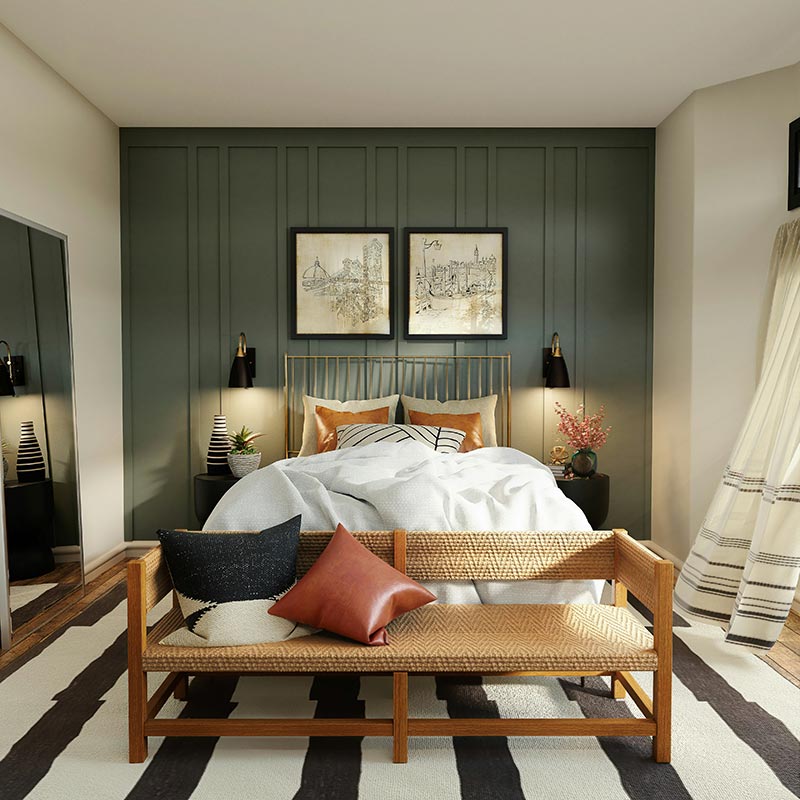
One area that is often overlooked when maximizing your office is vertical space. Utilizing walls and other vertical surfaces lets you create more space and keep your office organized. Installing wall-mounted shelves, filing systems, and other storage solutions can help free up floor space and create a clutter-free workspace. Furthermore, incorporating elements like hanging plants, wall art, or even vertical partitions can add personality and create a visually interesting workspace.

Image Source: Ultra Shelf Craftsmanship

When choosing wall-mounted storage solutions, make sure to consider the weight capacity and durability of the shelves or filing systems. It's crucial to select sturdy options that can support the weight of your office supplies without bending or sagging. 

2. Incorporate Multi-functional Furniture

Image Credit: Annie Spratt from Unsplash

When dealing with limited space, making the most out of every piece of furniture is essential. Multi-functional furniture can help you save space without sacrificing functionality. A desk with built-in storage or a pull-out keyboard tray can help you organize your office. Similarly, a futon or daybed can serve as a seating area during the day and a bed for guests at night.

Image Source: Home Offices by Closet Factory

Think about the most frequently used items and how you can combine their functions. Additionally, make sure to choose furniture that fits the scale of your office and doesn't overwhelm the space. With careful consideration and planning, incorporating multi-functional furniture can help you save space and create a more functional and comfortable workspace.

3. Implement Flexible Work Arrangements

mug and laptop
Image Credit: Compare Fibre from Unsplash

Flexible work arrangements can be an excellent solution for small office spaces. With the rise of remote work and the availability of technology that allows people to work from anywhere, it's becoming increasingly common for businesses to implement flexible work arrangements. This can include options like telecommuting, flexible schedules, or a combination of both.

Not only can flexible work arrangements help you save on office space and reduce overhead costs, but they can also increase productivity and employee satisfaction. When employees are free to work in a way that suits their individual needs, they are more likely to feel valued and motivated. 

4. Optimize Lighting and Color Schemes

room
Image Credit: Copernico from Unsplash

Lighting and color can significantly impact productivity and well-being in the workplace. To optimize your small office space, consider using natural light as much as possible, and incorporate lighting solutions that mimic natural light. Additionally, consider using color schemes that promote productivity, such as shades of blue or green.

5. Create Collaborative Spaces

office
Image Credit: Product School from Pexels

Creating collaborative spaces is a great way to make the most of a small office space. Dedicating an area specifically for collaboration encourages teamwork and creativity among your employees. You can achieve this through movable furniture, such as modular seating or whiteboards on wheels, that can be easily reconfigured for different activities.

In addition, consider incorporating elements that encourage communication and interaction, such as shared spaces for refreshments or casual seating areas. Creating an environment that fosters collaboration and communication can increase engagement and improve problem-solving within your team. Collaborative spaces can also be used for meetings or training sessions, making them a versatile addition to any small office space.

6. Use Creative Storage Solutions

Image Credit: Jarred Manasse from Unsplash

Creative storage solutions are essential in small office spaces where space is limited. Rather than using traditional file cabinets and storage boxes, consider utilizing unique storage solutions that are both functional and visually appealing.

One option is to use rolling carts or storage cubes that can be easily moved around the office as needed. These versatile storage solutions can serve multiple purposes, such as acting as a mobile desk or serving as a filing system.

Another option is using storage bins or baskets that can be easily tucked away under desks or shelves. You can also use wall-mounted organizers or pegboards to store and display frequently used items, such as pens, paper clips, and other office supplies.

7. Incorporate Greenery

chairs and desks
Image Credit: Marc Mueller from Pexels

Incorporating plants into your workspace can significantly impact productivity and well-being. Plants can help purify the air, reduce stress, and improve employee satisfaction. Consider including a vertical garden or a desk plant to bring greenery into your small office space.

8. Embrace Technology

two people using a laptop
Image Credit: Christina @ wocintechat.com from Unsplash

Another recommended office idea for small spaces is the use of technology. With the rise of digital tools and software, there are many ways to streamline processes and reduce the need for physical storage space. One example is cloud-based storage solutions that allow you to store and access files from anywhere. This can reduce the need for physical filing cabinets or storage boxes, freeing up valuable floor space in your office.

Another way to embrace technology is by using digital communication tools such as video conferencing or instant messaging. This can reduce the need for face-to-face meetings, saving time and space. Embracing technology allows you to create a more efficient and productive workspace while reducing the need for physical storage and equipment.

9. Implement Standing Desks

Image Credit: TheStandingDesk from Unsplash

Standing desks are becoming increasingly popular in modern offices, and for a good reason. They promote better posture and help reduce the health risks associated with sitting for long periods. Implementing standing desks in your small office space can help improve employee well-being and productivity.

10. Personalize Your Workspace

monitor
Image Credit: Skyler Kang from Pexels

Personalizing your workspace is an effective way to make your small office space feel more comfortable and inviting. It also helps increase productivity and motivation by making your workspace more enjoyable. You can add personal touches like photos, artwork, or plants to your desk or office walls.

Another way to personalize your workspace is by selecting office furniture and accessories that match your style and personality. You can choose a desk chair in your favorite color or pattern or select unique office accessories that show off your personal style.

Final Thoughts

Optimizing a small office space can be challenging, but it's not impossible. When you incorporate these ten office ideas for small spaces, you can create a workspace that maximizes productivity and functionality while promoting employee well-being and satisfaction. 

Featured Image Credit: Skyler Kang from Pexels

No Category
10 Awesome Spring Color Schemes
March 30, 2023
All Items

Spring season is on its way. For many, it's refreshing to come out and enjoy the warming weather. That means cozy spring vibes, bright hues, and exciting tones will prepare your interiors to welcome the blissful season. 

Whatever your aesthetic is, these spring color schemes will be a hit for you.

1. Spring Forest and Gold

palette
Photo by Spacejoy on Unsplash

It's not spring if there's no green in this list. So, if you're obsessed with plans and all things foliage, then this spring forest and gold palette will speak to your spirit. Turn your room into a haven for a spring goddess with gold details, fluffy green carpets, and a rich green wall color.

You can complete the look with access to natural lighting, a soft and plush designer chair, and mid-sized indoor plants. It's a luxurious yet organic experience that leaves room for spring abundance and more.

2. Eggshell Blue and Caramel

palette
Photo by Toa Heftiba on Unsplash

On the other hand, a soft eggshell blue can be pretty tricky to pull off, but it works with the right complementary colors. The trick is to use it on hero elements against a neutral background. In fact, this color works best with a caramel hue to bring out the contrast between the two colors.

Finish this design with a few long-stemmed ornamental plants, and you've captured the perfect springtime look. 

3. Soft Rose and Neutrals

palette
Photo by Spacejoy on Unsplash

Spring is all about bright pops of color, and this soft rose and neutral palette is great for lovers of red. Leave the boring neutrals in the last season and bring your own twist by adding a rich and deep rose color. 

Simply put, this is best used as an accent element. Because of this, you might want to get a bohemian carpet, as well as some red-colored pattern throw pillows and others. Finally, this color palette is best for rustic and homey interiors.

4. Muted Greens and Toffee

palette
Photo by Spacejoy on Unsplash

Meanwhile, this muted green color palette is for you if you want a more subtle spring look. Do you love green but don't really want to commit to it? Pair it with a gray palette and some neutrals to create a little bit of design flexibility. 

Plus, you can still retain that spring vibe with an earthly toffee hue in your wooden floor or lighting decor. This is great for people who want to dip their feet into seasonal interior design.

5. Darker Spring Hues

palette
Photo by Mateo Fernández on Unsplash

On the other hand, if you want something more mature and elegant springtime vibe, consider bringing dark spring hives to your home. Rather than emphasize the bright colors often associated with spring, this style capitalized on caramel tones and dark hues. 

You can break apart this monotone palette by adding a greyish-green hue to still call back to springtime. Either way, this is a great choice for people who want to incorporate the spring vibe into their black and neutral interior.

6. Luxe Tans and Grays

palette
Photo by Spacejoy on Unsplash

You can never go wrong with a luxurious color palette. This luxe tan and gray interior screams spring elegance in the best way. While this color story doesn't have a bright or springtime vibe, it's a good transitional theme from winter to spring.

Here, you can start adding more eye-catching elements like a structural chair and a center table. However, you can also play into the monochromatic look and pile on the gray decorative pieces. Either way, make sure you get the natural sunlight in to set up some brightness in this neutral space. 

7. Pop of Color

palette
Photo by Kam Idris on Unsplash

Want to go for the mid-century modern vibe? Then a pop of color is your way to the fleek street. Don't be afraid to let your pop of color be a piece of furniture, a lamp, or a wall accessory. After all, when using bold colors like this against neutrals, the more eccentric the yellow piece is, the better. 

Aside from this, you can pair this pop of color with a deep mahogany shade. At the same time, it also works well against an off-white wall background color. 

8. Bohemian Neutrals and Lavender

palette
Photo by Curology on Unsplash

If you want to go for the trendy route, this is the way to go. In fact, muted tones are all in the rage this spring, and a soft and grayish lavender is a great way to introduce color to your simple room. With neutrals, you can add as many boho ornaments and thrifted finds as you'd like for a more eclectic feel.

Combine this with taupe shades, and you've got a great canvas to decorate with. Finish the look with some woven tapestry, modern lighting accessories, and big potted plants.

9. Bright Pink Tones

palette
Photo by Stefen Tan on Unsplash

If there's a color palette for trendy girls, it's this black and pink story. Does hot pink intimidate you as a color? You don't have to be hesitant anymore. After all, a bright pink tone works wonders when you pair it with a deep black and some neutral, complementary colors.

It's best used as an accent color on walls, but you can add pink to your furniture, ornaments, and lighting fixtures. It's the perfect color palette to welcome spring blooms.

10. Muted Blush and Earthy Hues

palette
Photo by Charlota Blunarova on Unsplash

This color palette combination is the perfect alternative for people who want to put a twist on the minimalist revival. The muted blush hues are a great way to add a subtle shade to your room. On the other hand, the monochromatic color story also makes it an easy color story to design with. 

Whether you're going for a simple aesthetic or a boho beach vibe, this color palette can translate different aesthetics well. Plus, the pink and brown hue mix is easy on the eyes. Finally, it's a simple and straightforward way to flex your style. You can add even add some ornamental plants for a pop of color. 

There are many ways to go about designing your interior for springtime. One thing is for sure, though: we will see a shift to a brighter and greener aesthetic. 

Featured Image by Penji

Uncategorized
Why Interior Design is Important: Hiring Experts is Key to an Awesome Space
March 29, 2023
All Items

Interior design may seem like a complex aspect of life that you don't necessarily encounter until you need it, but the truth is we experience it more than you would expect. Conceptualized spaces are more than matching fixtures to your decor and create pleasantly appealing presentations to areas we find comfort in. So read on as we tell you why interior design is important

What is Interior Design?

Photo by Max Vakhtbovycn from Pexels

Interior design is the art and science of planning and designing man-made spaces to achieve functionality within a space and make it a more aesthetically pleasing environment. From homes that provide comfort and safety and workplaces that maximize function to invitingly beautiful public spaces we all adore, interior design is responsible for these aspects of our daily lives. 

The field of Interior Design has two basic categories: residential and non-residential, with a number of specialized areas such as space planning, lighting design, and sustainable design. 

Aside from attaining a thorough aesthetic appreciation of the design, interior designers must also consider whether the design works. Determining the functionality of the design eliminates purposeless aspects, like poor sight lines and insufficient means of entry and egress, to achieve a space that works for its purpose. 

How Does Interior Design Affect Our Lives?

In understanding why interior design is important, it's necessary to consider how it elevates the quality of our lives. Our surroundings greatly impact how we feel and behave, and while it may easily go unnoticed, a professional's work in a space can, in fact, soothe the soul. Great interior design invokes happiness and can inspire creativity, confidence, and pride, filling the space with good energy. 

5 Reasons Why Interior Design is Important

Interior design is essential to a structure's ambiance, like providing a soul to a building. It makes spaces more functional, desirable, and liveable. Interior design is a vital aspect of society, as seen through these reasons: 

1. Interior Design Maximizes and Improves Your Space

The most known benefit of interior design is that it allows you to improve and maximize a given space. Interior design professionals take comfort and aesthetics as primary key points in creating their concepts but also provide you with a more efficient space. These improvements make your space much better to suit its purpose while also elevating relaxation in your areas. 

2. Interior Design Enhances Our Quality of Life

Photo by Min An from Pexels

Interior design holds an important role in our modern lives by making our lifestyles updated and more stylish. Designs held to a high standard, with keen attention to detail and a focus on comfort and style, have the power to enrich a person's life. Aside from achieving that �wow� factor from those who experience it, it also allows you to imprint your personality onto your environment. From elements such as color, light, and certain key pieces in your space, these enhancements allow you to immerse yourself in the beauty of your home. 

3. Interior Design Improves Functionality

A core concept in modern interior design that many adhere to is functional beauty. Existing spaces can be transformed into functional works of art that are warm and inviting with the work of interior design. From equipping rooms with the latest in technology to providing the utmost convenience to bathroom and kitchen designs that elevate utility purposes, interior design offers the best out of your space. 

4. Interior Design Can Affect Our Moods

Photo by Max Vakhtbovycn from Pexels

The most knowledgeable interior designers show reverence for the power of color and use it to affect how your emotions. They may subtly influence a room with a simple color scheme to provide a space that lets you feel safe and comfortable. Colors have a way of mitigating moods, and interior designers know how to maximize this most. An example of this is noticing how warm colors like orange, yellow, and red are predominant in restaurants due to the color's ability to stimulate appetites. On the other hand, blues and greens are calming colors that are often seen in relaxing venues such as yoga studios.

5. Interior Design Promotes Your Self-Image

Expressing yourself through your interior designer's concept is a great way of highlighting your own art, through decorations and elements that show your personality. Interior design professionals take into consideration the impression that each space provides, allowing you to custom-fit your own elements into the grander design. Involving this aspect of self-image in your space's design provides a tangible form of your best qualities in the areas you frequent. 

Conclusion

Great design is often considered as one that's subtle and indirect while also being able to capture inspiration. By entrusting your space in an interior designer's hand, you commit to the fact that your space (and your life) has the potential to be so much better. 

Featured Image Credits: Photo by Sami  Abdullah from Pexels

No Category
An Introduction to Art Deco Interior Design: Key Elements and Features
February 28, 2023
All Items

Discover the glamour and luxury of Art Deco interior design elements and key features to elevate your design game to the next level. Let's dive into this iconic style and create a space that exudes sophistication and elegance.

Geometric Shapes and Patterns

One of the defining features of Art Deco interior design is geometric shapes and patterns. The use of bold, geometric shapes creates a sense of movement and dynamism in a space, making it feel both energetic and modern. Zigzags, sunbursts, and chevrons are some of the most commonly used geometric patterns in Art Deco design. These patterns can be found in everything from furniture to wallpaper, adding a sense of cohesion and unity to the overall design scheme.

Image Source: Reviewed

Not only do geometric shapes and patterns add visual interest, but they can also help create balance and harmony in a space. Repeating a pattern or shape throughout a room can give a sense of rhythm and flow that ties everything together. 

Rich Colors

Another vital Art Deco interior design element is the use of rich colors, as they help create a luxurious and glamorous feel in a space. The color palette of Art Deco design is bold and dramatic, featuring deep jewel tones such as emerald, sapphire, ruby, black, and gold. These colors are often used together to create a sense of contrast and drama, with black providing a solid base for the jewel tones to pop against and gold adding a touch of luxury and sophistication.

Image Source: Home Designing

In addition to creating a visually stunning space, rich colors can evoke a sense of emotion and mood in a room. Deep jewel tones, for example, can develop a sense of richness and opulence, while black can add a sense of drama and intensity. When used in the right balance, these colors can help create a sense of balance and harmony while adding a touch of Art Deco glamour.

Luxurious Materials

A key Art Deco interior design element, the use of luxurious materials adds glamor and opulence to any room. Materials such as brass, chrome, and glass are frequently used in Art Deco design, often in the form of statement lighting fixtures, mirrors, and furniture. These materials are known for their reflective properties, adding a touch of shine and sparkle to a room. Marble is another popular material in Art Deco design, often used for flooring and countertops, adding a sense of grandeur and sophistication to a space.

Image Source: Foyr

Along with metal and stone, Art Deco design also frequently incorporates soft materials such as velvet and leather. Velvet, in particular, is a popular choice for upholstery and curtains, as its smooth texture and rich colors add a sense of luxury and elegance to a room. Leather is also commonly used in Art Deco design, often in the form of seating or accent pieces, adding a touch of warmth and texture to a space.

Symmetry

As mentioned above, balance and harmony are crucial factors to include in any interior designing project. This design philosophy is often seen in the use of matching pairs of chairs, lamps, and artwork. Symmetry in Art Deco design helps create a sense of order and stability, making a space feel visually pleasing and calming. In addition, it can also help to create a sense of grandeur and elegance, evoking the opulence and luxury of the Art Deco era.

Image Source: Design Cafe

However, it is essential to note that symmetry in Art Deco design does not necessarily mean that everything has to be perfectly matched. Rather, it is about creating a sense of balance and harmony in a space. For example, two chairs may be slightly different in size or shape but still have a similar design and color scheme.

Decorative Motifs

Designing a space means incorporating your personality into it. One of the best ways to do this in an Art Deco style is to use decorative motifs. These often feature stepped forms, sunburst patterns, and geometric shapes such as triangles and chevrons. These motifs can be found in everything from furniture to wallpaper to lighting fixtures, adding a touch of Art Deco glamour to any design scheme.

Image Source: The Spruce

Stepped forms are a classic Art Deco motif, with their tiered layers creating a sense of depth and movement in a space. Sunburst patterns, which feature rays of light emanating from a central point, are another common motif in Art Deco design. These patterns can be found in everything from furniture to artwork, adding a sense of drama and energy to a room. Geometric shapes, such as triangles and chevrons, are frequently used in Art Deco design. You can use these shapes to create patterns and designs that are both bold and modern.

Lighting

Glamor and opulence are definitive characteristics of Art Deco, and so, lighting presents a vital component to express it. Chandeliers are a popular choice in Art Deco design, often featuring bold geometric shapes and sparkling crystals or glass. These fixtures can be used to create a focal point in a room, adding a touch of Art Deco sophistication to a space.

Image Source: FlipTheSwitch

Table lamps are also an important aspect of Art Deco lighting design, often featuring sleek lines and bold shapes reflecting the aesthetic. These lamps can be used to add a touch of glamour to a room, with materials like chrome and glass adding a sense of shine and sparkle. Wall sconces are another popular choice in Art Deco lighting design, with their sleek lines and geometric shapes creating a sense of elegance and sophistication in a space.

Final Thoughts

Using Art Deco interior design elements is a stunning and timeless way to incorporate bold geometric shapes, rich colors, luxurious materials, symmetry, decorative motifs, and statement lighting fixtures. When you add these elements and features to your interior design scheme, you can create a space that is both visually stunning and functional. 

If you're looking for more interior design inspiration and tips, check out Spencil's blog by following this link

Featured Image: Photo by henry perks on Unsplash

No items found.