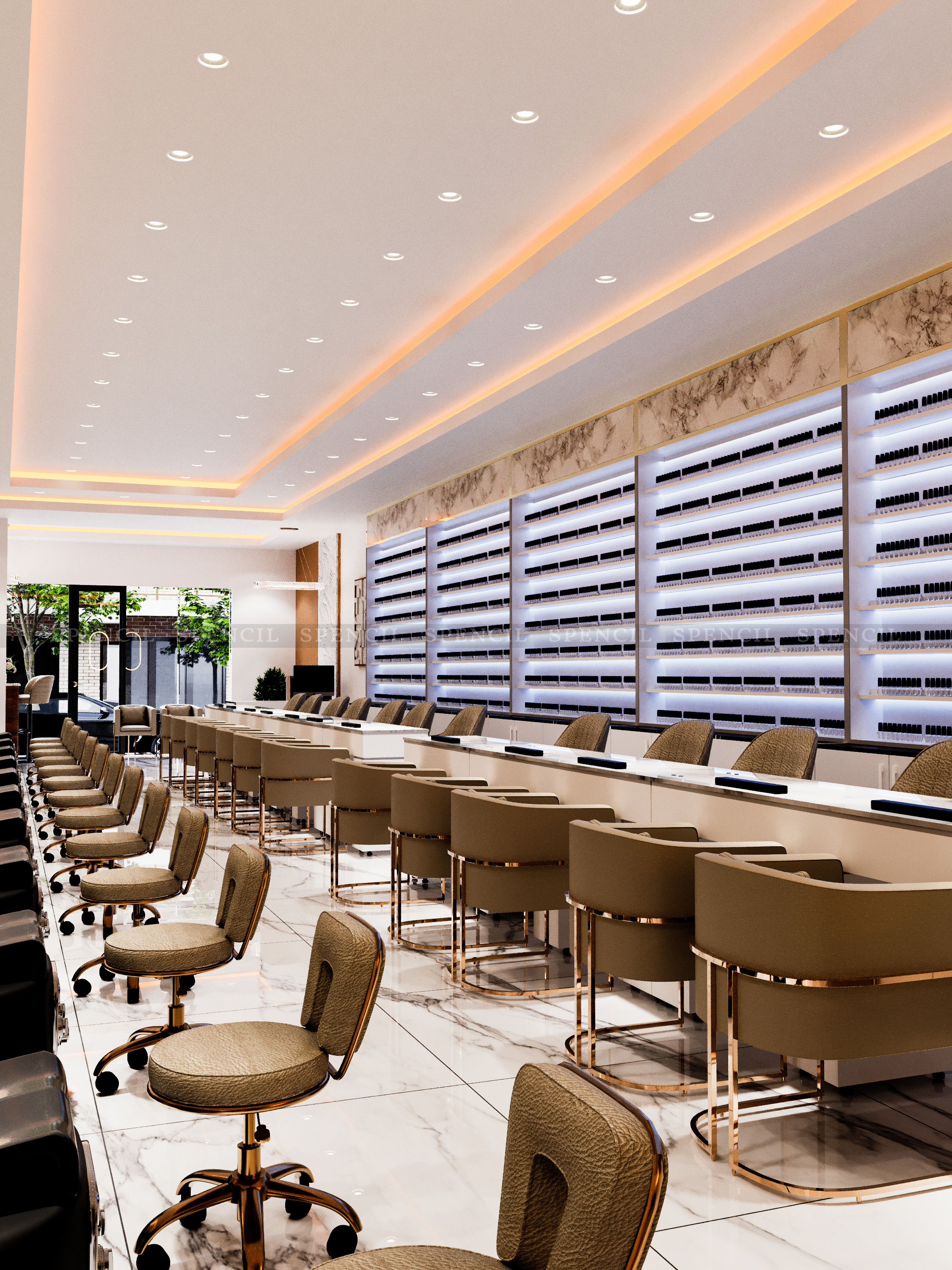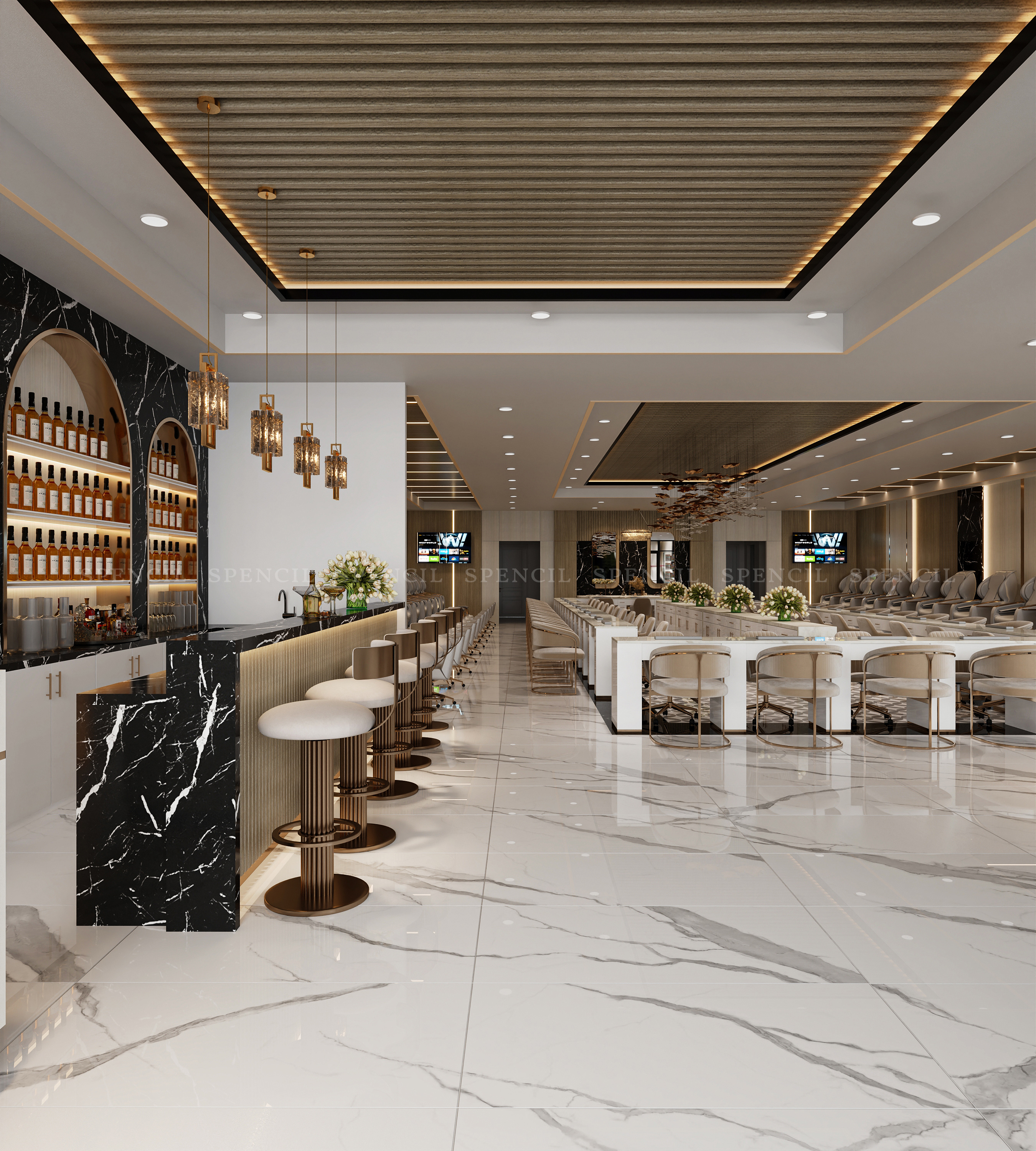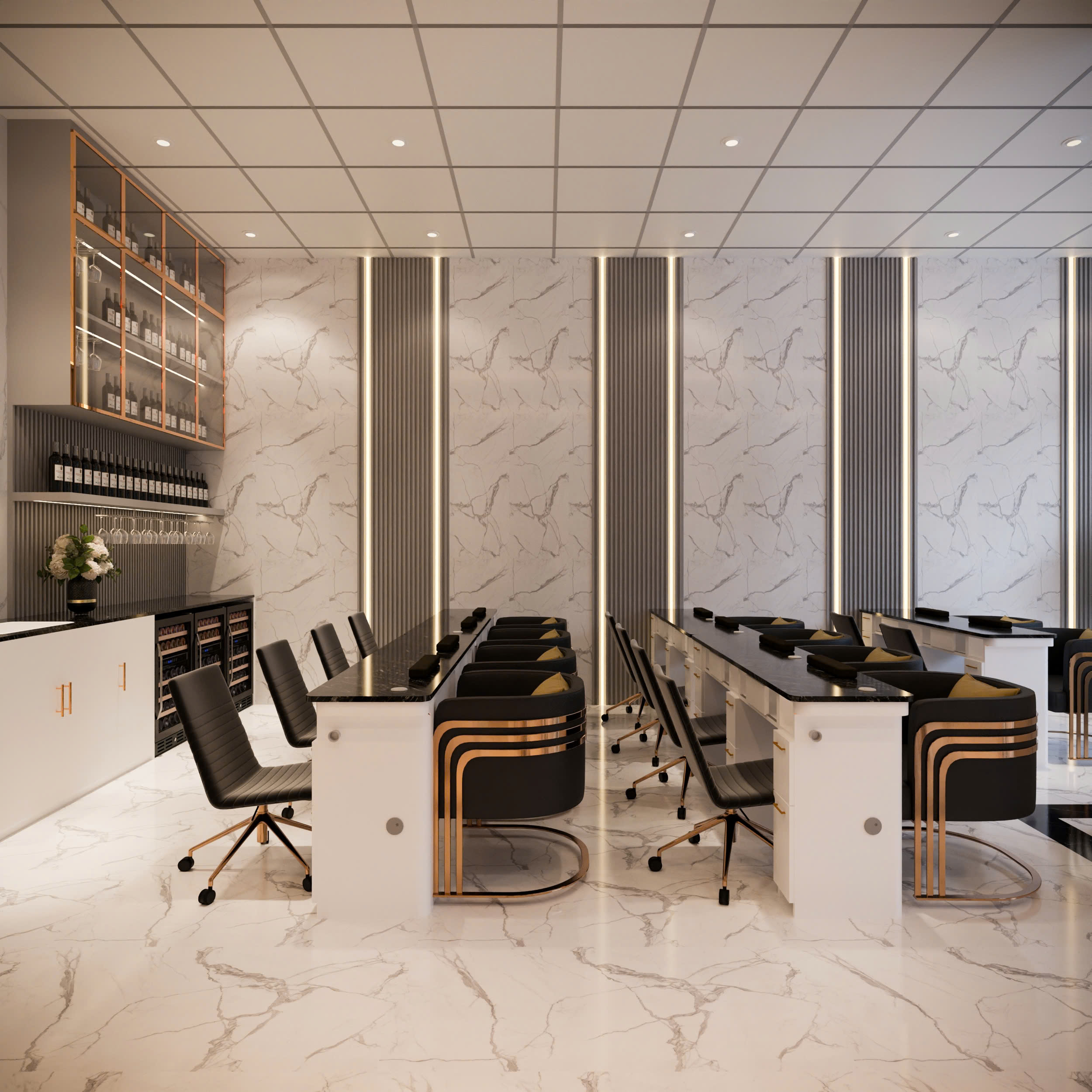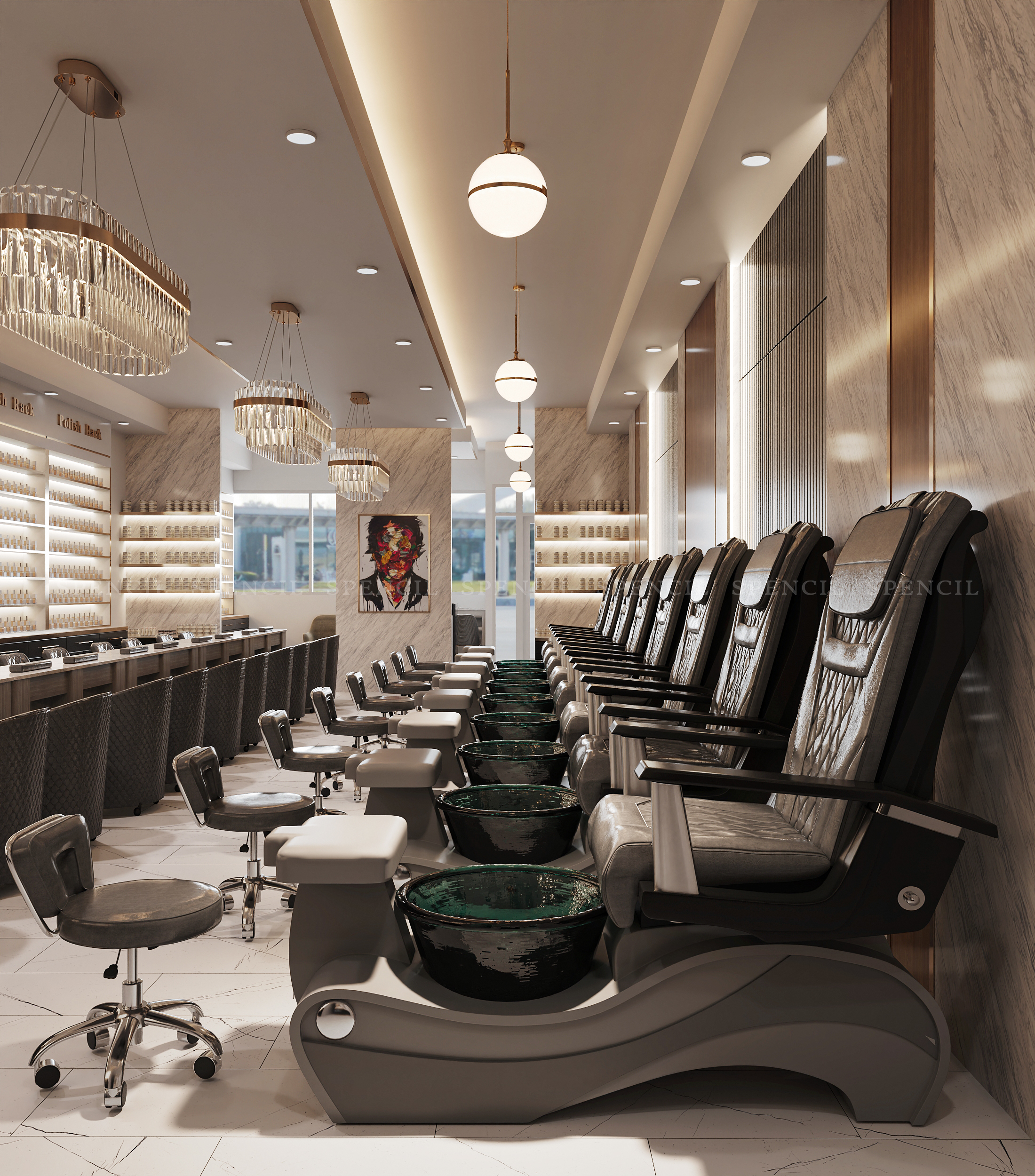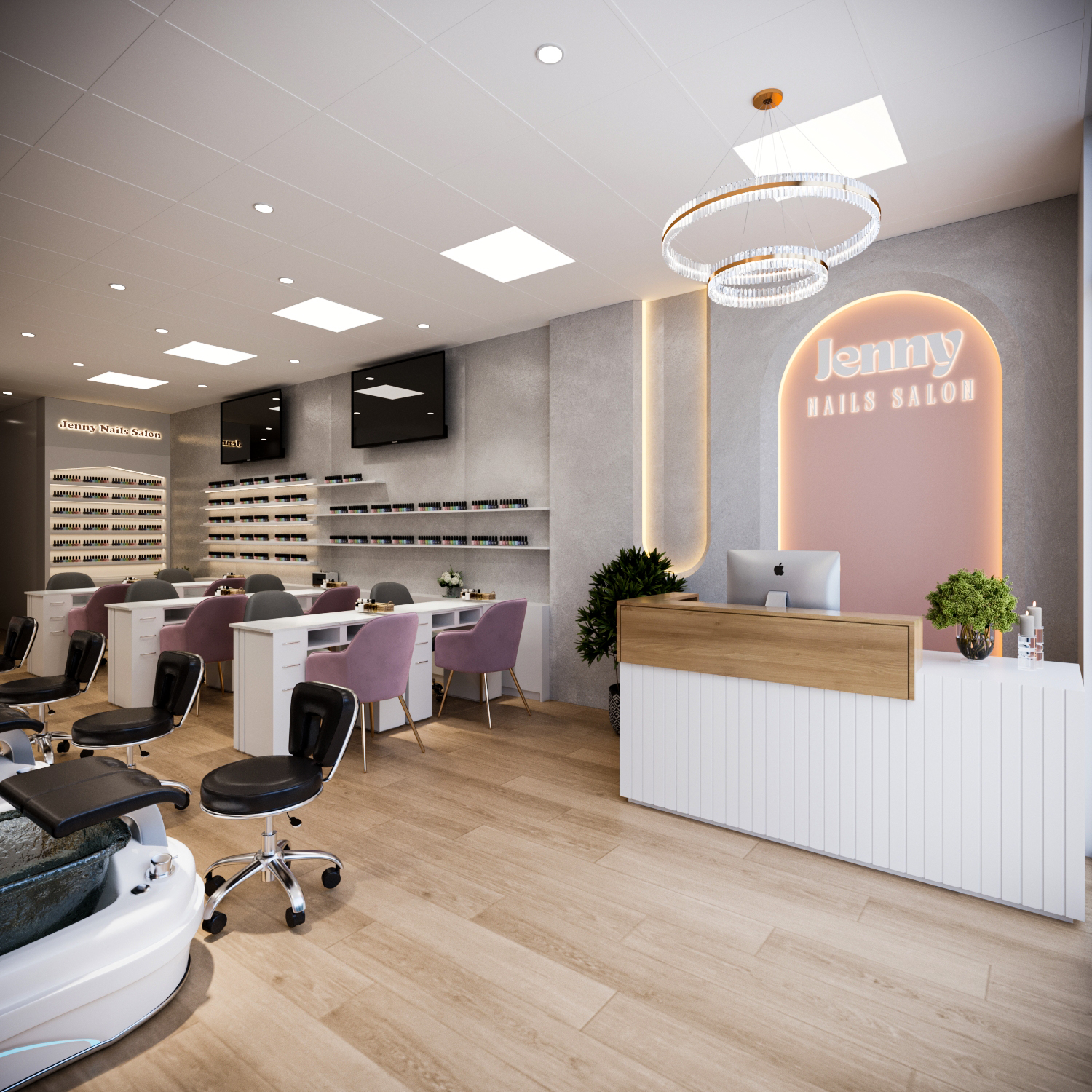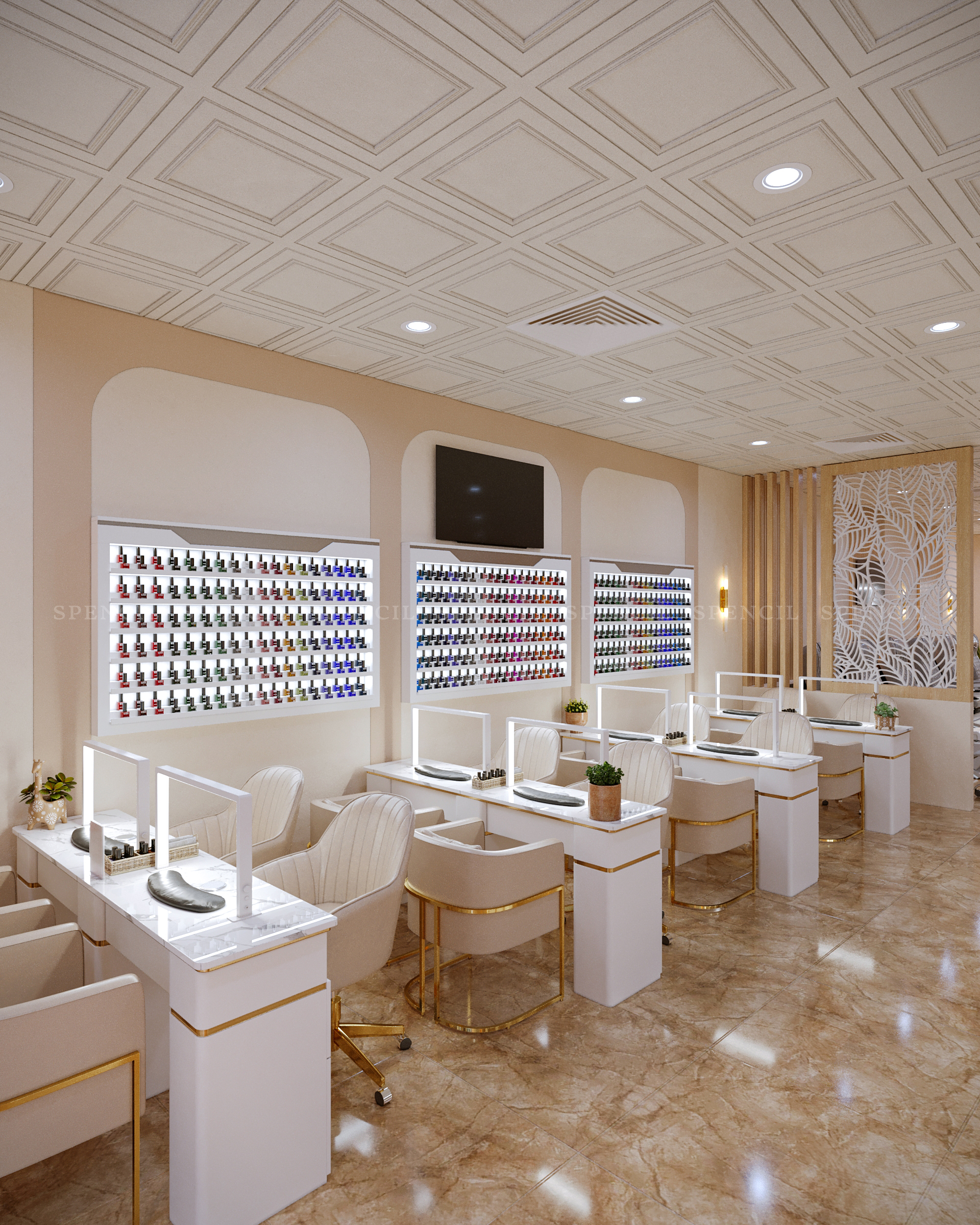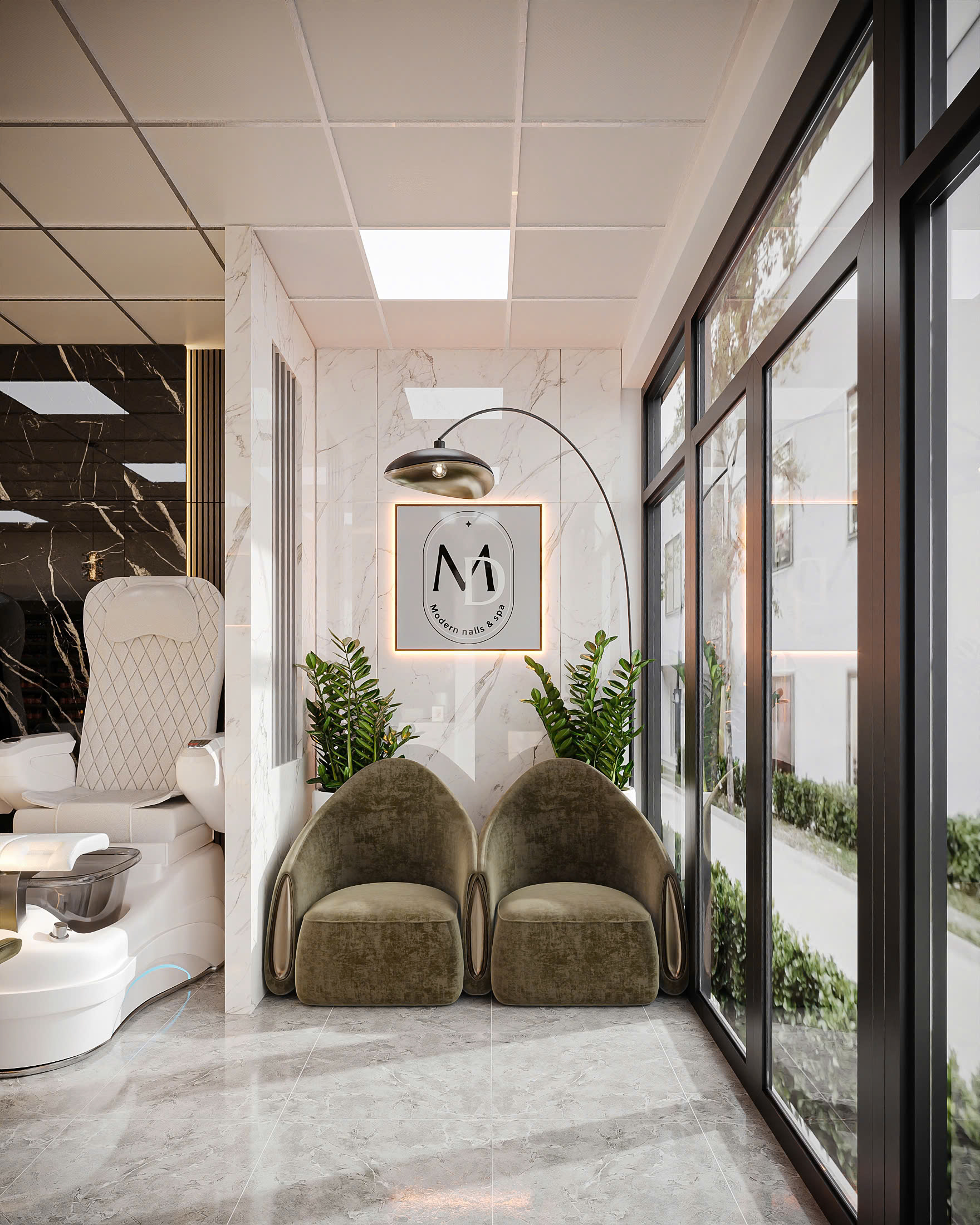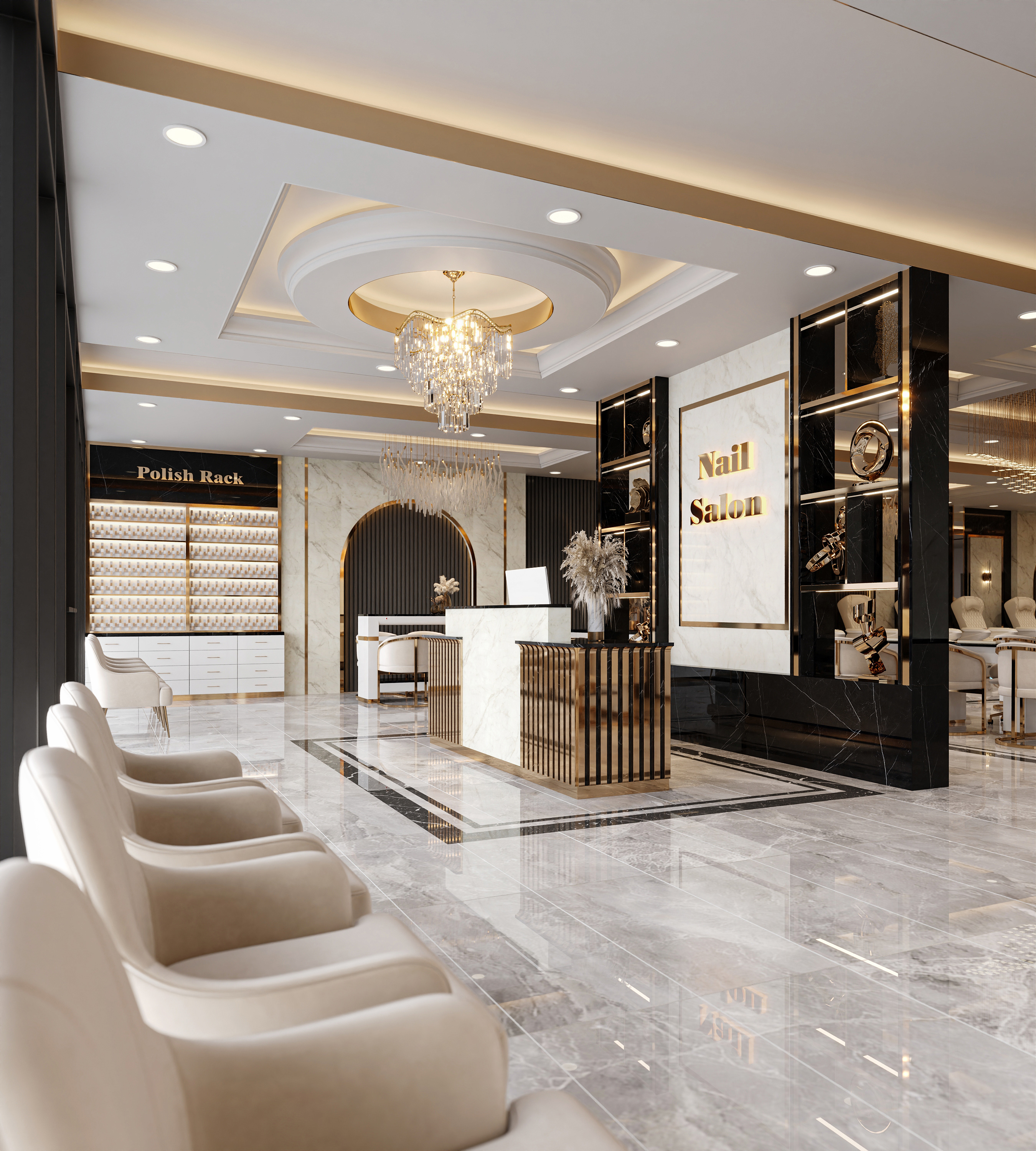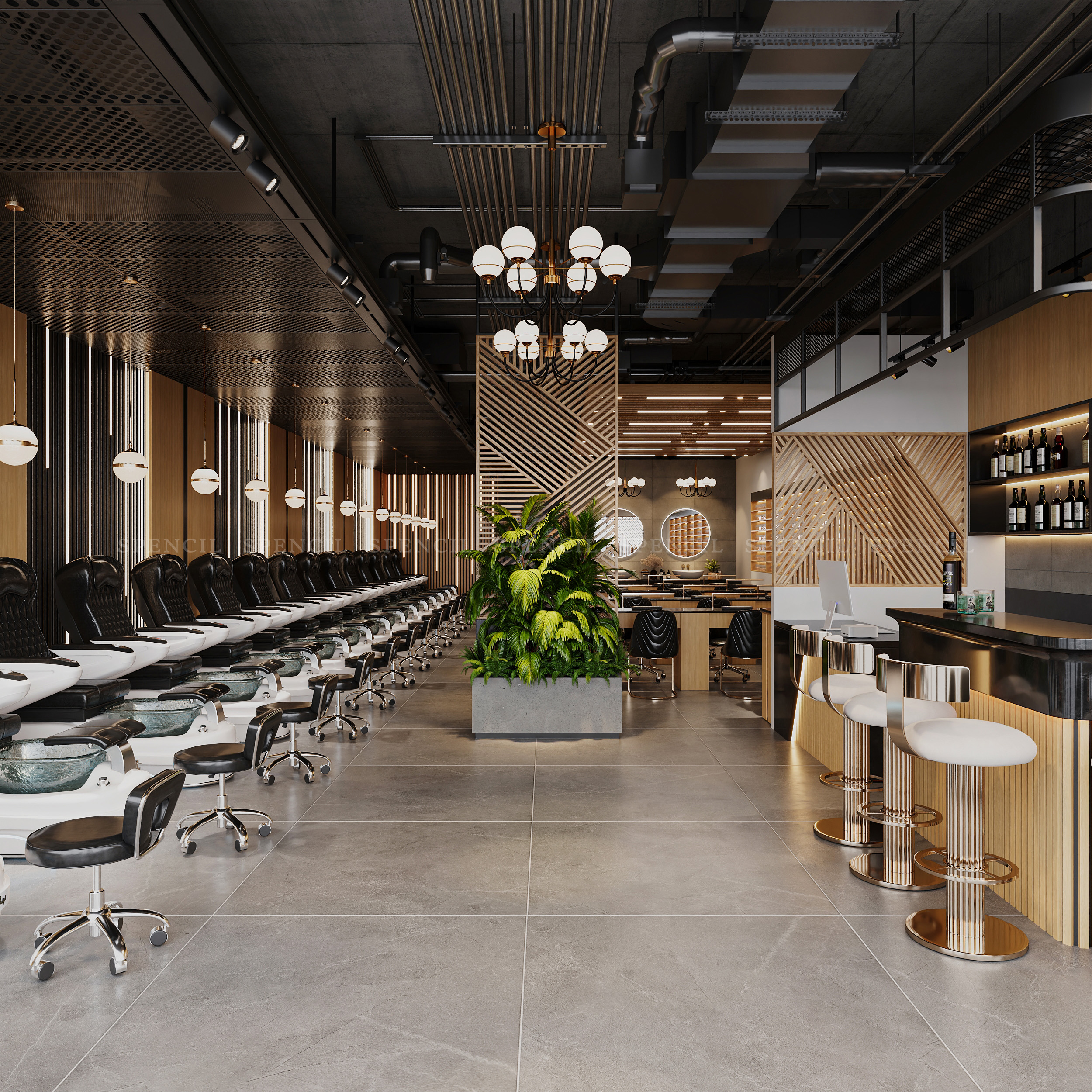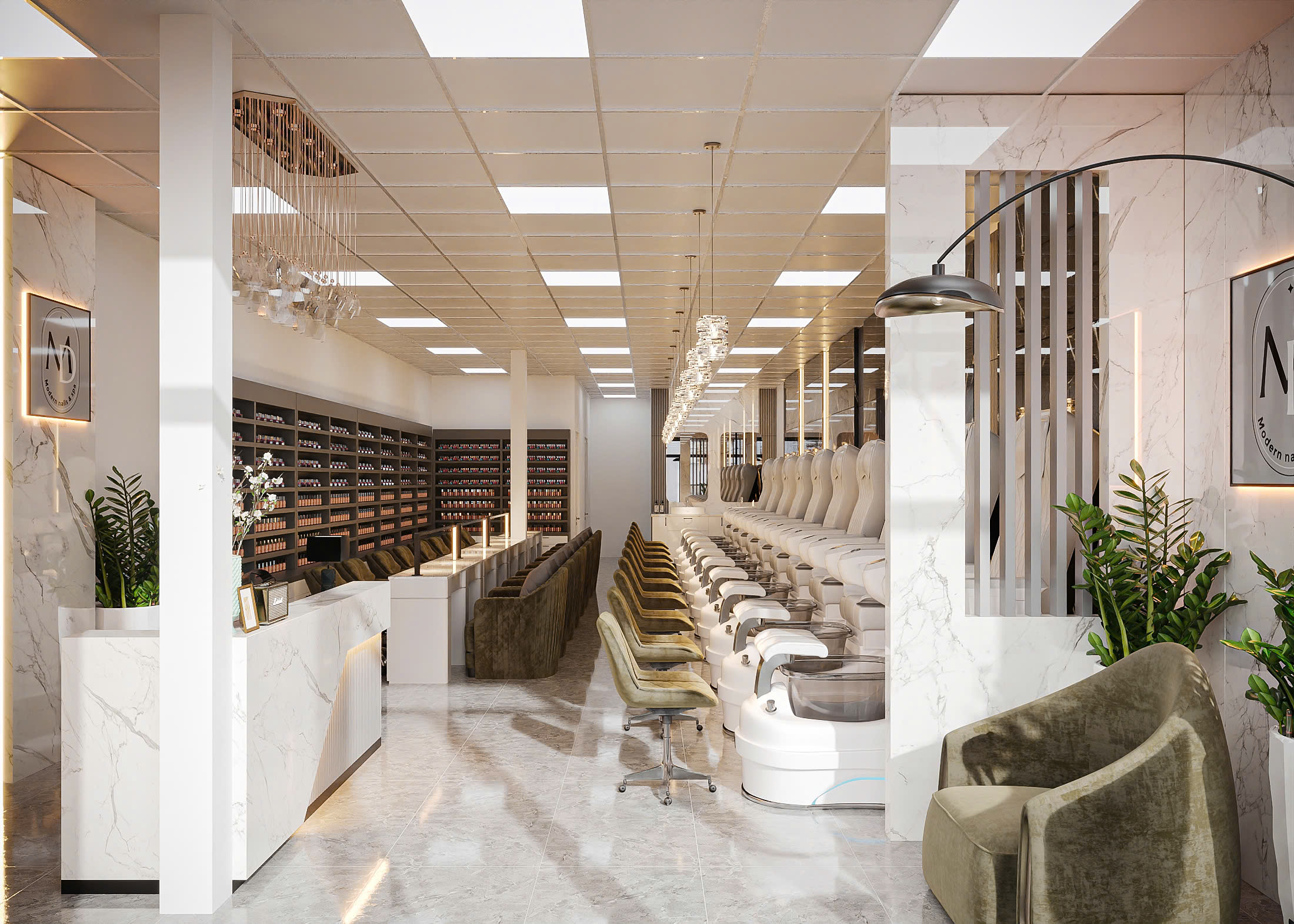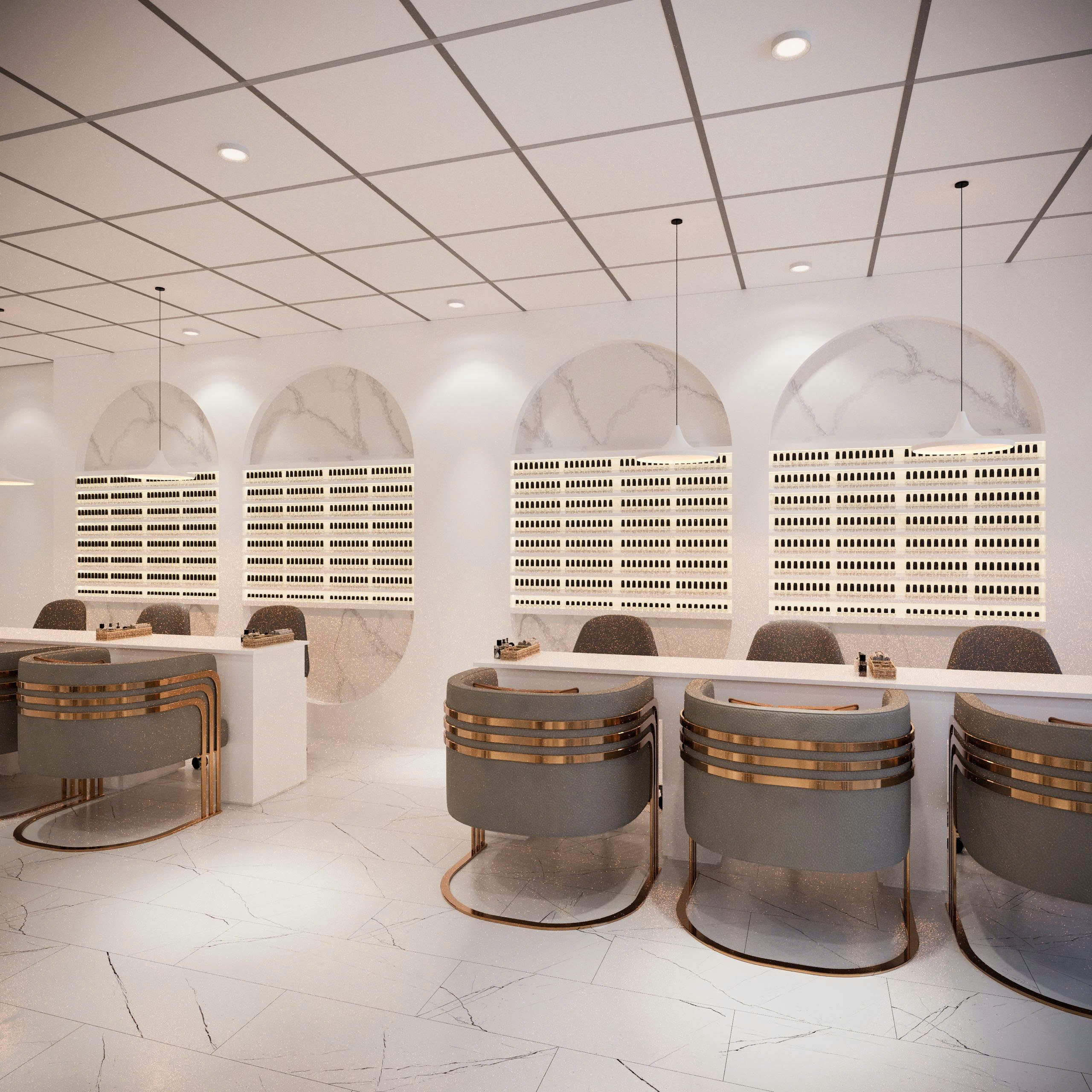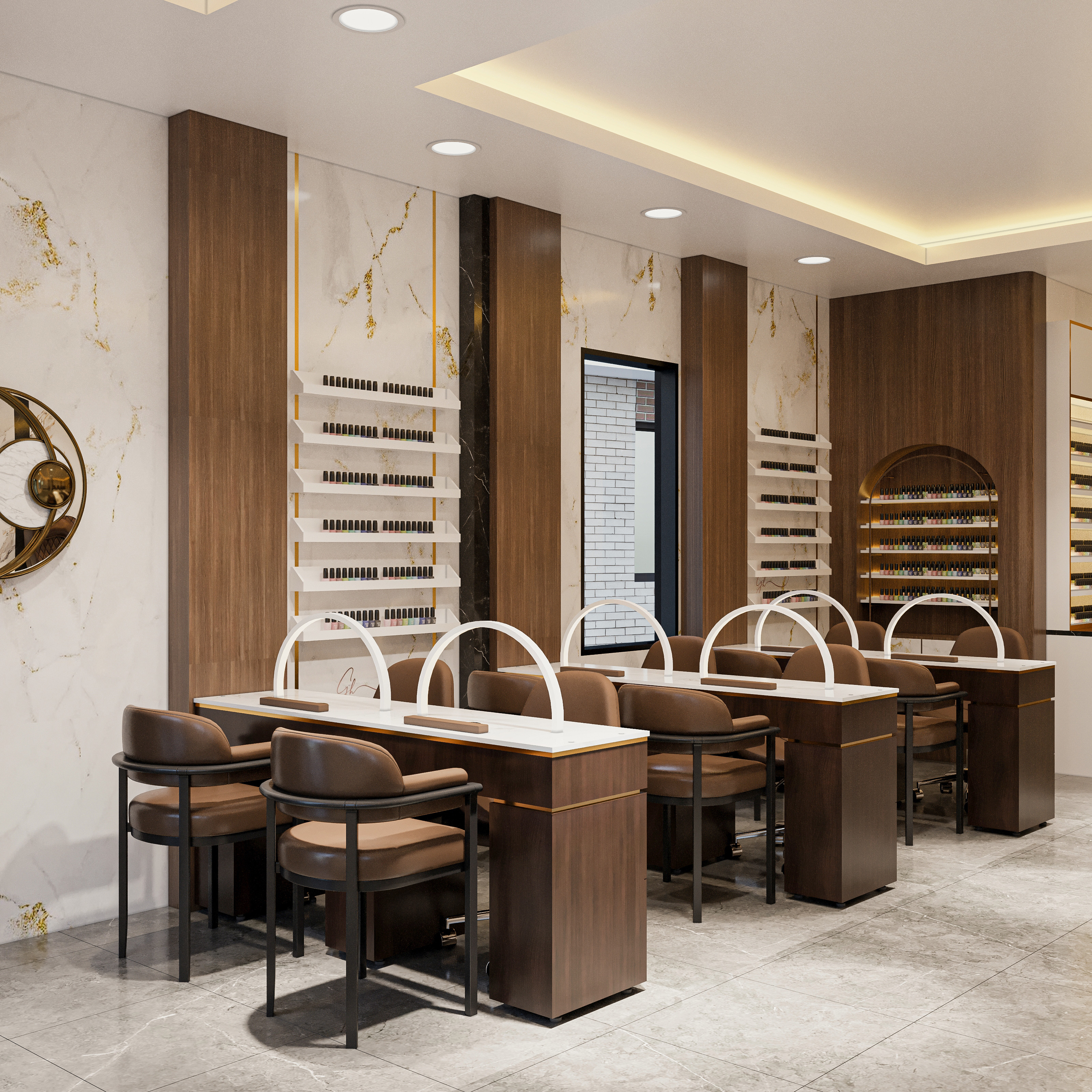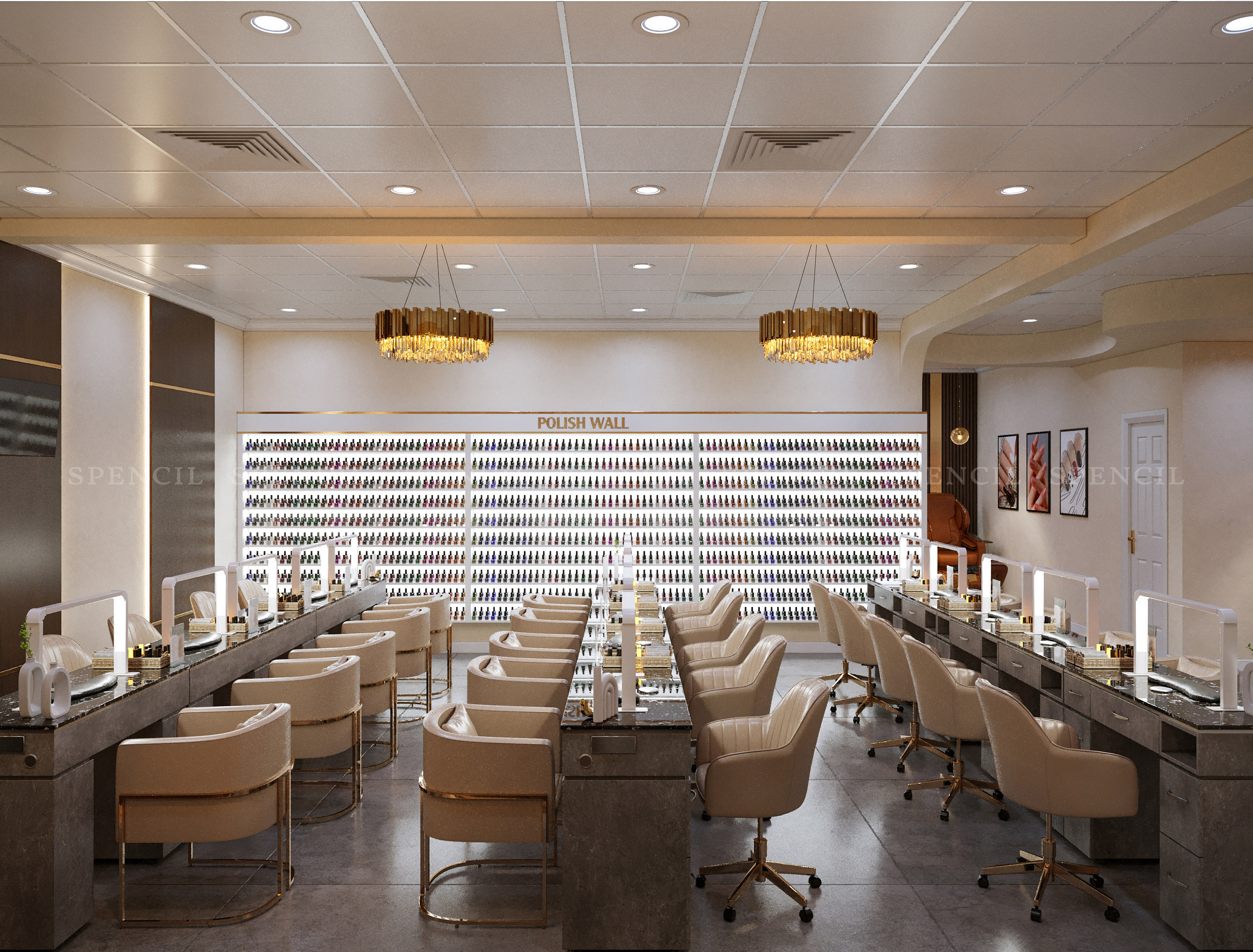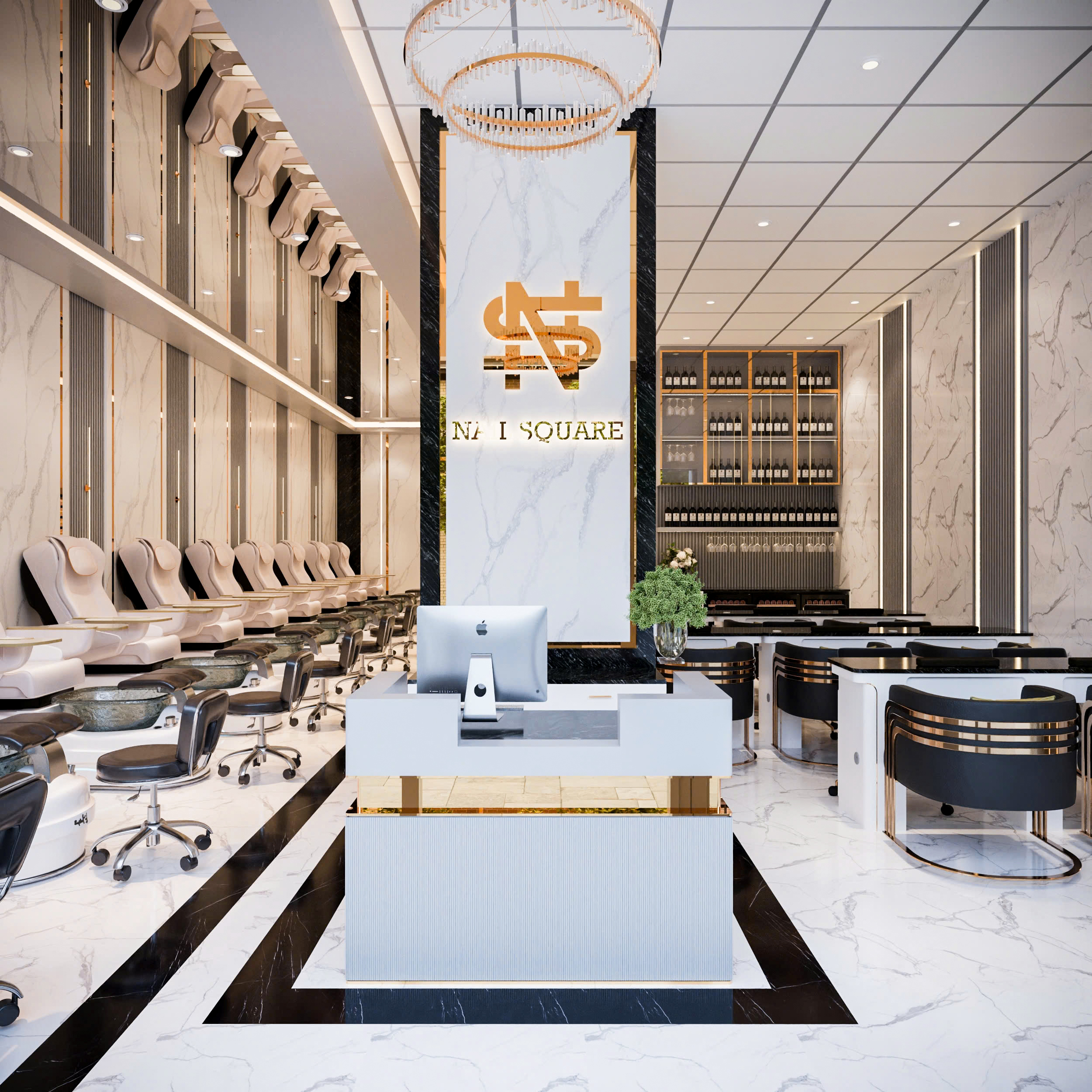
Nail Station Designs in the US: How to Choose the Right Type for Your Salon
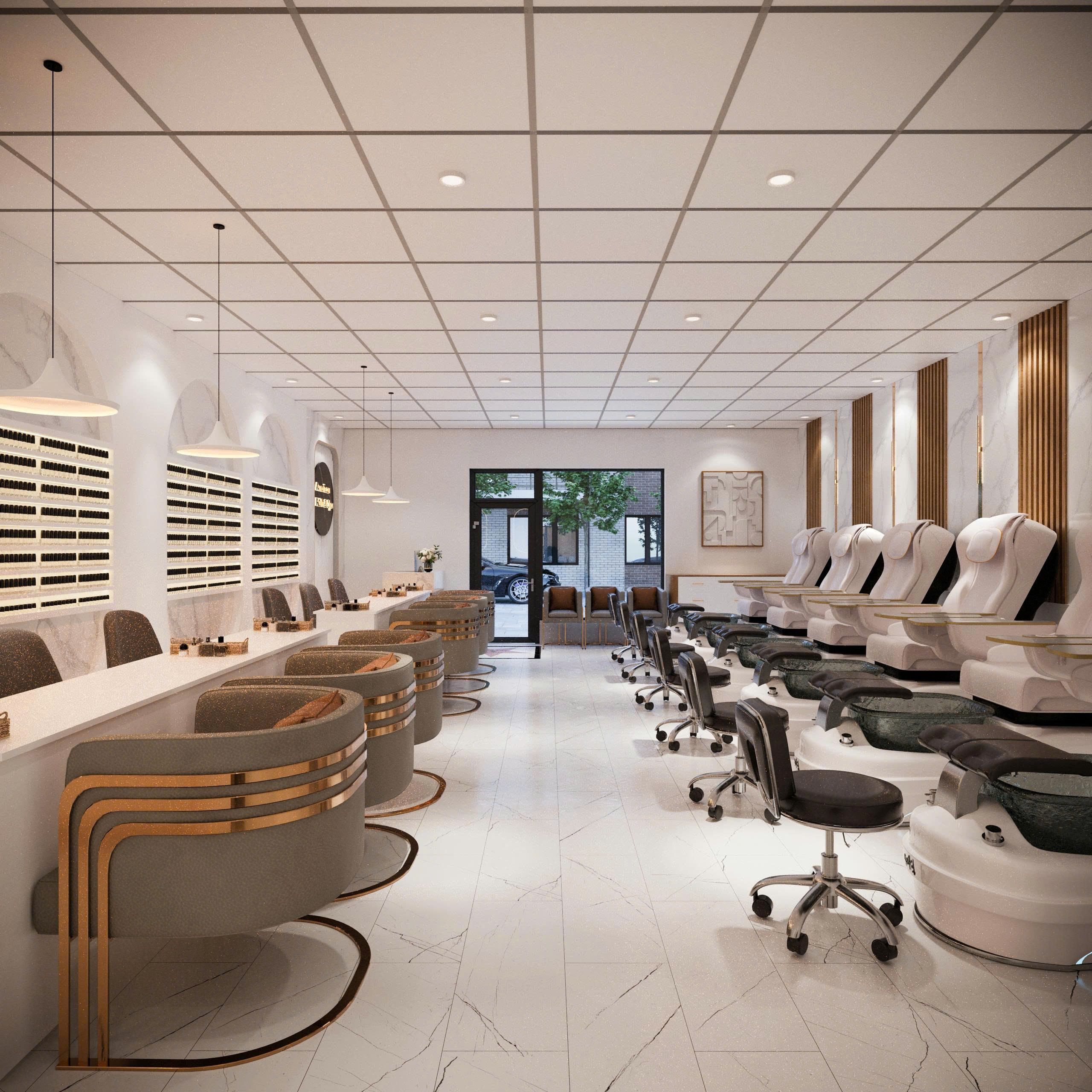
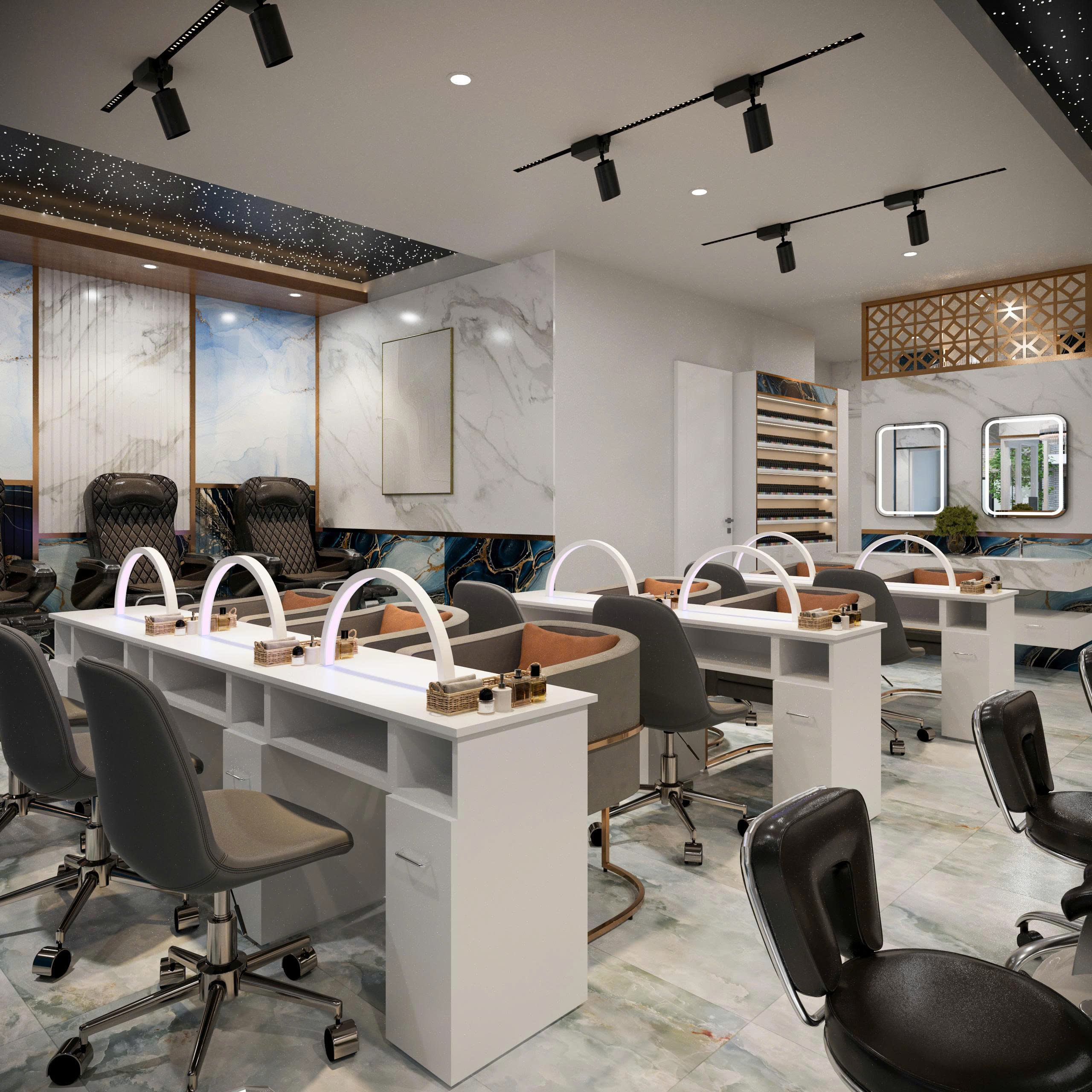
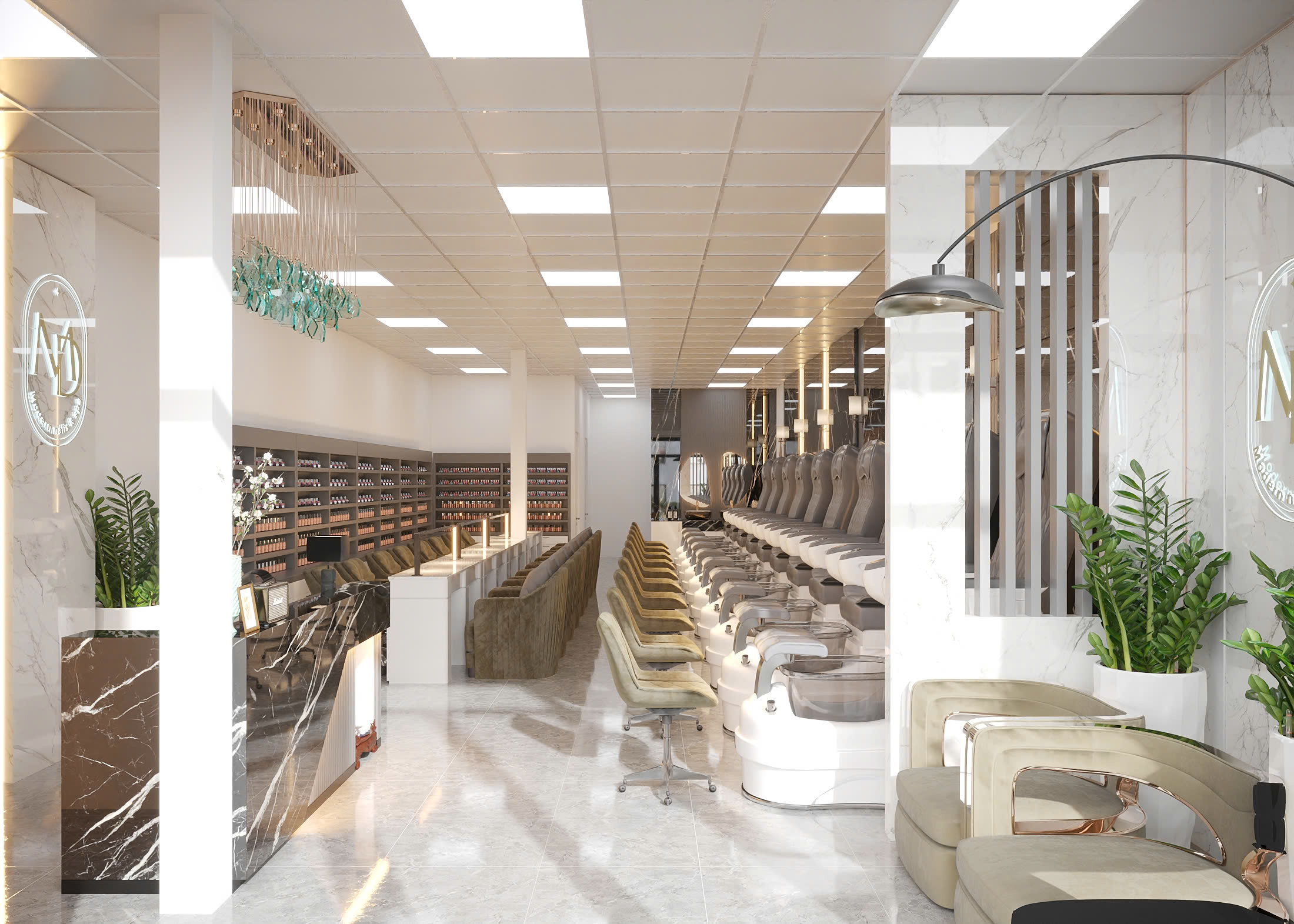
Nail station design affects a salon in two directions simultaneously: the visual aesthetic of the space and the daily working efficiency of technicians. A beautiful station in the wrong dimensions narrows the walkway. The right size station with the wrong surface material deteriorates within six months of chemical exposure. This guide breaks down the most common nail station configurations in the US market, explains what makes each choice matter, and shows how to match your nail table selection to your salon's design direction and floor plan.

Common Nail Station Configurations in the US
Single station
The most common configuration - one table per technician. Flexible for layout, easy to replace individually, and compatible with virtually any floor plan. Standard single station dimensions: 16–20 inches wide, 36–42 inches long.
The practical advantage: when one station needs to be replaced or upgraded, only that unit is affected - not the full row.
Back-to-back double station
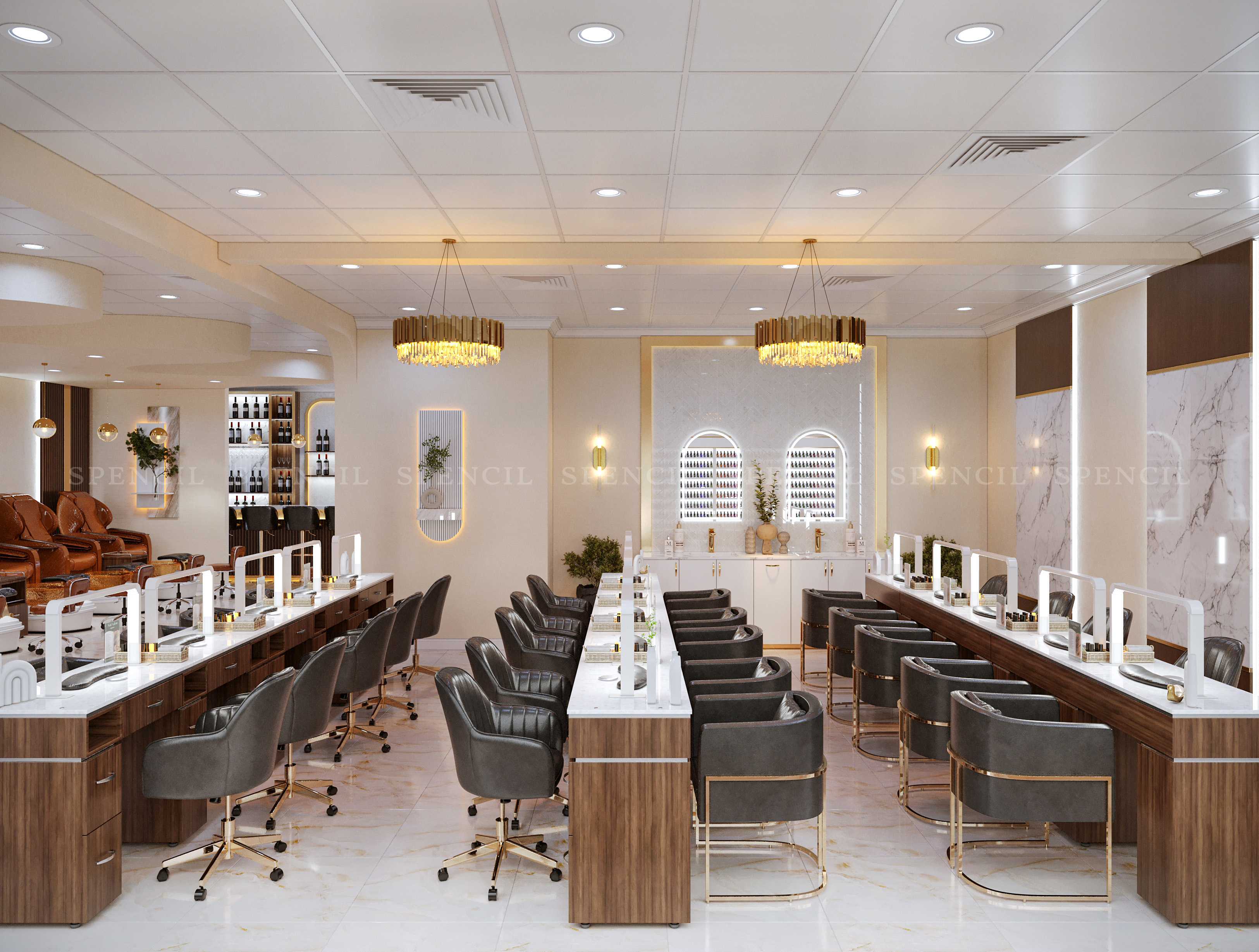
Two stations joined for technicians sitting face-to-face, sharing a center base. More space-efficient than two individual units because the shared base reduces the combined footprint. Suited for salons that need to maximize station count on a limited floor plan.
The tradeoff: vibration and sound transfer more noticeably between the two sides - filing or drilling on one side reaches the client on the other more than with separate units.
Ventilated nail table (vent table)
A nail station with a built-in exhaust system directly under the work surface - capturing chemical vapors at the source rather than relying entirely on ceiling ventilation. Required in some counties and strongly recommended by OSHA for nail salon environments.
Cost runs 30–60% higher than standard stations, but significantly reduces the load on the overall ventilation system. The right choice for salons in spaces with limited air circulation.

Nail Station Surface Materials - Why It Matters
The nail station surface is in direct daily contact with acetone, monomer, gel, and other nail chemicals. The wrong material means a surface that yellows, peels, or cracks within months - visually degraded and harder to sanitize properly.
Sintered stone (porcelain slab): The highest chemical resistance of any surface option. Non-porous, unaffected by acetone, does not yellow or stain. Higher cost than alternatives but the longest lifespan by a significant margin. Marble-look sintered stone is the most common choice in current nail station designs in the US market.
Solid surface (Corian-style): Good chemical resistance, repairable - surface scratches can be buffed out. Mid-range price, wide color availability. A practical choice for most mid-range salons.
Laminate / MDF with HPL: Lowest cost, but degrades quickly under sustained chemical exposure. Suitable for salons with a limited budget and a 2–3 year replacement plan - not a long-term choice.
Standard Dimensions and Layout by Square Footage
Standard nail station dimensions in the US: 16–20 inches wide, 36–48 inches long, 29–31 inches tall. Minimum clearance between stations (edge to edge): 36 inches for technician movement.
| Salon size | Stations | Layout notes |
| 400–500 sqft | 3–4 | Single row, small waiting area integrated |
| 500–700 sqft | 4–6 | Two rows or L-configuration |
| 700–1,000 sqft | 6–9 | Nail area clearly separated from pedicure zone |
For salons under 600 sqft, prioritize compact station sizing (16x36 inches) and protect walkway clearance. Adding one more station when clearance drops below 36 inches creates a cramped feel that affects both service speed and client experience. See detailed layout guidance at Nail salon chairs in the US
Nail Station Designs by Interior Style
Korean minimalist
Stations in Korean minimalist salons prioritize clean lines, slim-profile legs, and marble-look or solid white surfaces. No ornamental detailing, no bulky drawer units that add visual weight. Table height is often 1–2 inches lower than traditional stations - this makes the full space feel lighter when viewed from the entrance.
Color: white, off-white, or light oak tone legs. Avoid black legs or high-chrome finishes - both break the warm neutral palette that Korean minimalist design builds around.
Soft aesthetic
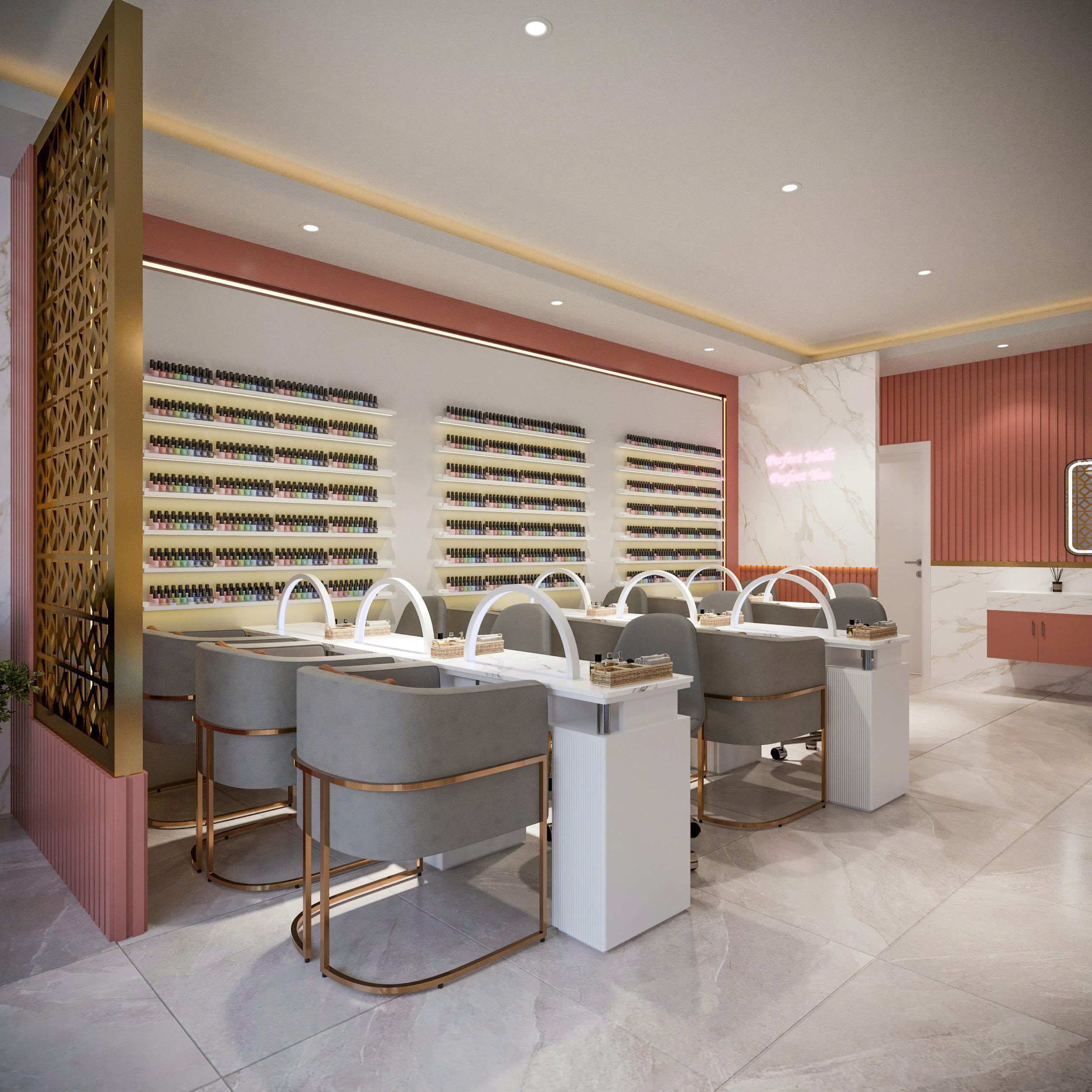
Stations in soft aesthetic salons often have slightly rounded table corners, legs in white or soft pastel tone. A cream or dusty rose surface reads warmer than cold stark white. Works when the full salon palette stays light and restrained.
Classic / luxury dark
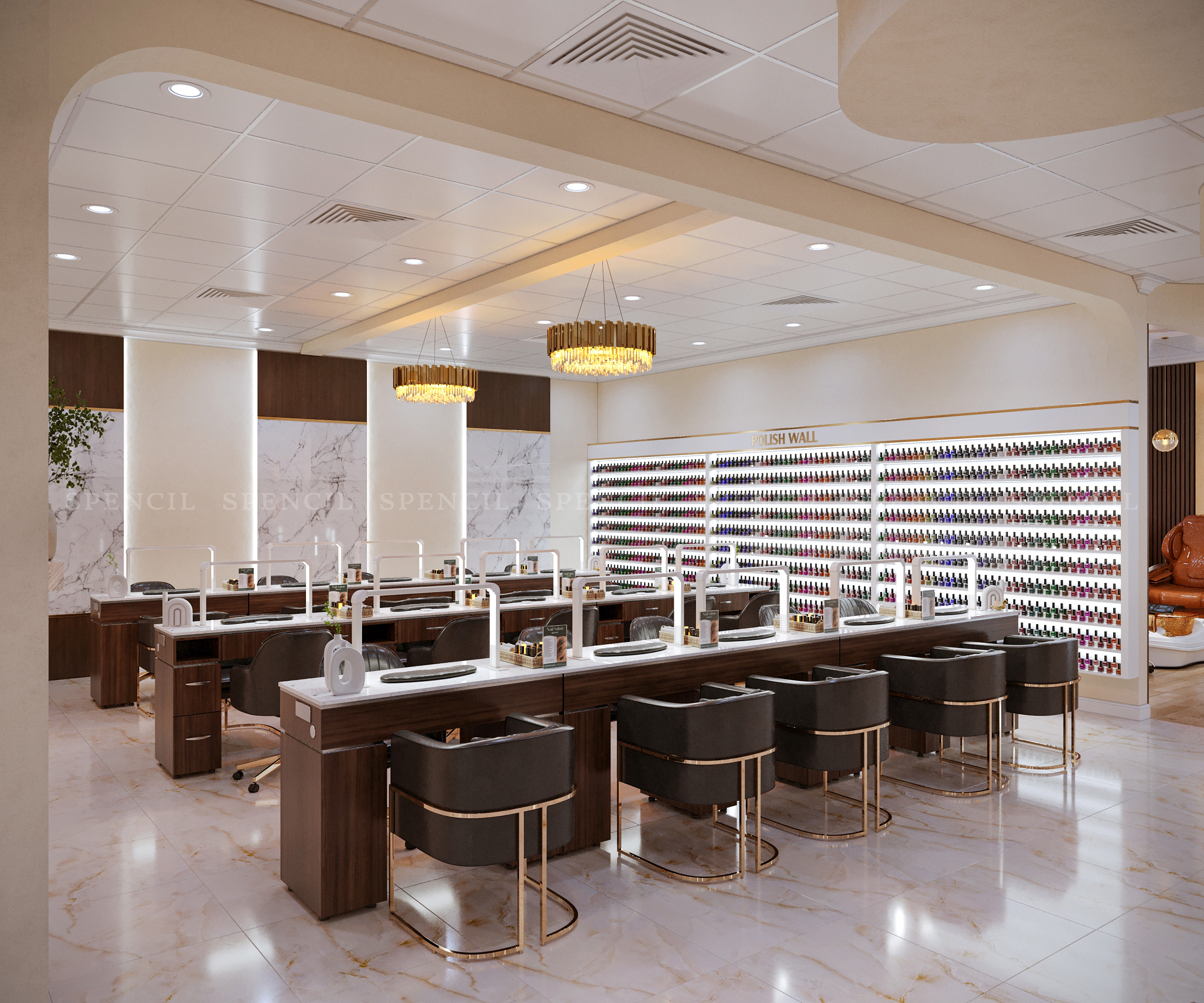
Black or walnut-toned legs, dark gloss or matte surface. Creates an immediate premium feel - but only when the rest of the space is consistent. Dark nail stations against white walls and light flooring create conflict rather than a focal point.
For a full breakdown of which design styles fit different US nail salon markets, see nail salon design ideas for the US market.
FAQ
Which nail station design works best for a small US nail salon?
Compact single stations (16x36 inches) with slim profiles are the strongest choice for small salons - flexible in layout and they don't consume walkway clearance. Light-tone legs and surfaces make the space read larger. Back-to-back configurations are also practical when maximizing station count is the priority.
What nail station surface material holds up best against chemicals?
Sintered stone (porcelain) is the most durable - acetone, gel, and monomer don't penetrate or stain it. Solid surface is a reliable mid-range option that can be refinished if scratched. Laminate over MDF is not suited for sustained nail salon use and typically shows chemical damage within 6–12 months.
Should I buy ready-made or custom nail stations?
Ready-made stations from established suppliers like DIR or LCL Beauty perform well for most mid-range salon builds - both functionally and aesthetically. Custom stations are worth the investment when the salon has a specific design identity and needs all furniture to read as a unified system.
Are ventilated nail tables required in US nail salons?
Not universally, but required in some California counties and strongly recommended by OSHA regardless of state requirements. Beyond compliance, a vent table reduces the volume of chemical vapor technicians inhale per shift - a direct long-term health factor for the team.
How much do nail stations cost for a new salon in the US?
Mid-range stations (solid surface or sintered stone top, powder-coated steel base): $600–$1,200 per station. A 6-station salon: $3,600–$7,200 for the station row. Premium custom stations: $1,500–$3,000 each. For full equipment and build-out cost planning, see nail salon startup costs US 2026.
Conclusion
The right nail station design is the one that satisfies three requirements together: a surface material that handles daily chemical exposure without degrading, dimensions and configuration that fit the floor plan without compromising walkway clearance, and a style that's consistent with the salon's overall design direction. Compromise on any one of the three and the problem shows up quickly - either in durability, aesthetics, or daily working conditions.
If you want to see how a specific nail station design fits into your actual salon space before ordering anything, Spencil produces 3D designs before construction - you see the real result before committing to any equipment.
📞 888-995-0058
📍 535 Mission St, San Francisco, CA 94105
🌐 spencil.co
📩 facebook.com/spencilco


.jpg)
.jpg)
.jpg)