Korean Style Nail Salon: Design Guide for US Owners
Korean minimalist is the most-searched nail salon aesthetic in 2026 in the US and not by accident. As the market shifts from standard nail service to something closer to a spa experience, Korean style is the only design direction that achieves a premium feel without a premium budget.
This guide covers what actually defines a Korean style nail salon, the exact palette and materials that make it work, furniture choices, why it fits the US market, and how to apply it at different budget levels.
1. What Defines a Korean Style Nail Salon
Korean style isn't just white walls and light wood. It's a design philosophy: every element in the space has a clear purpose, and nothing exists just to fill space.
Five defining characteristics:
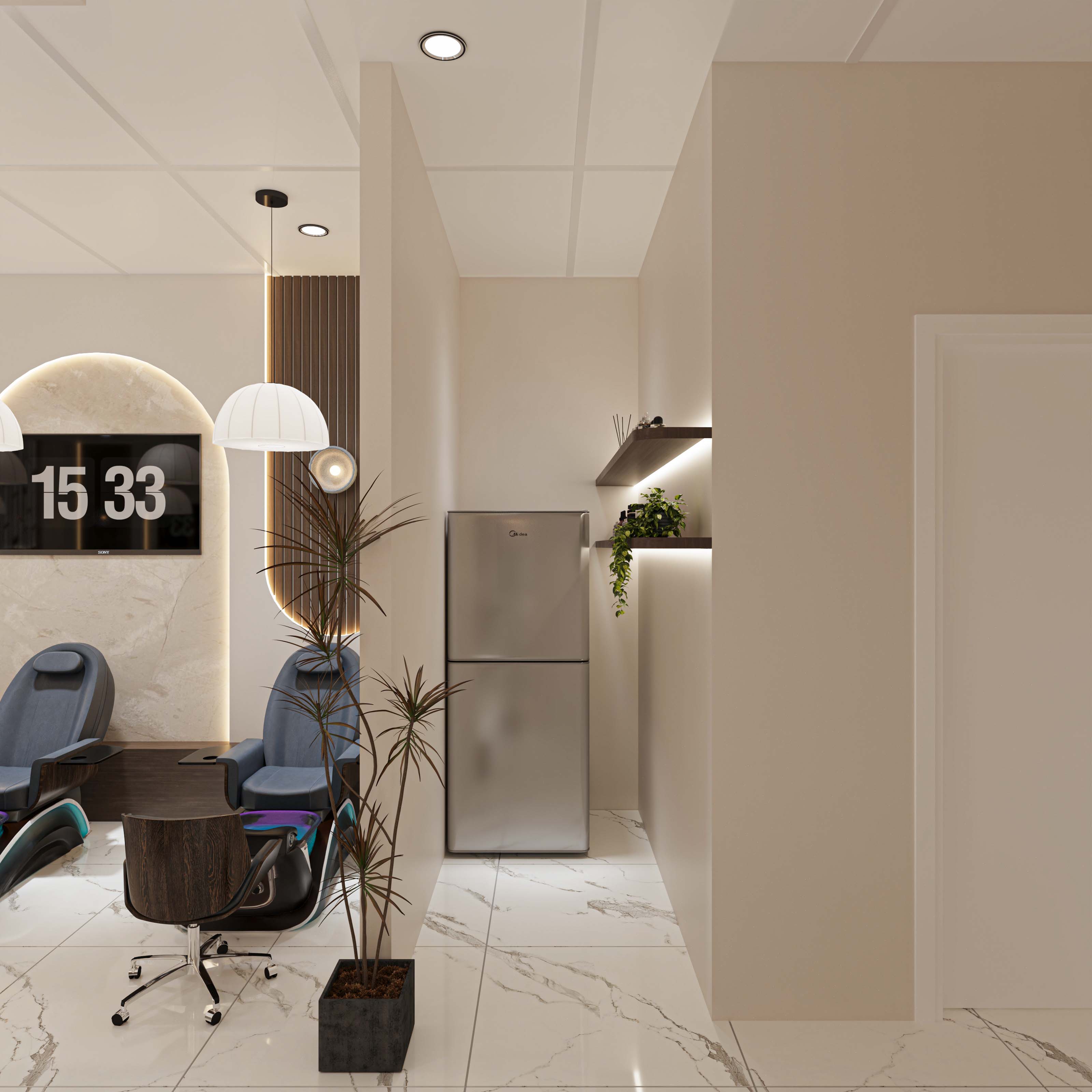
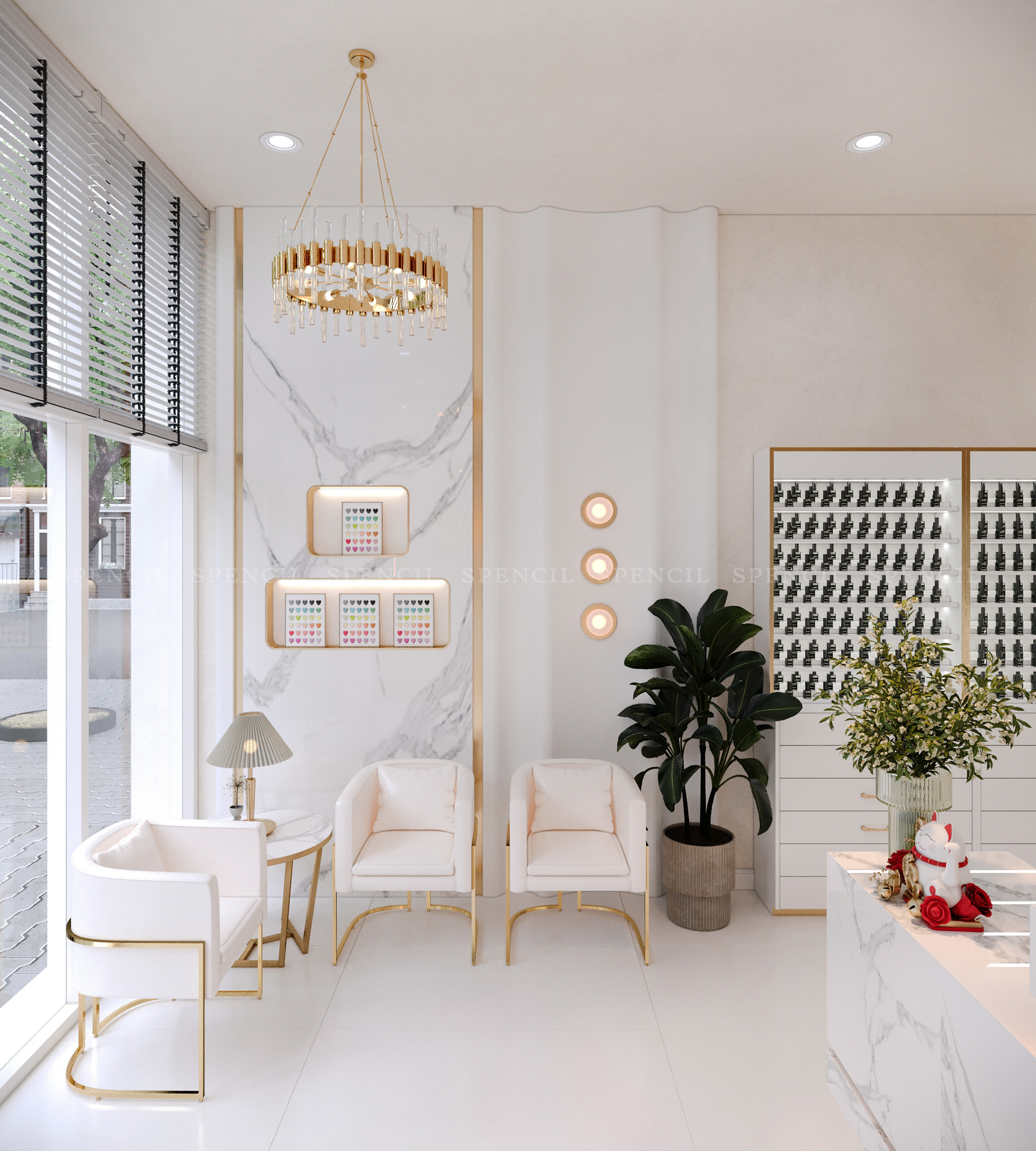
First, a warm neutral palette - not cold white but cream, warm white, soft beige. Warm tones create a welcoming atmosphere rather than a clinical one.
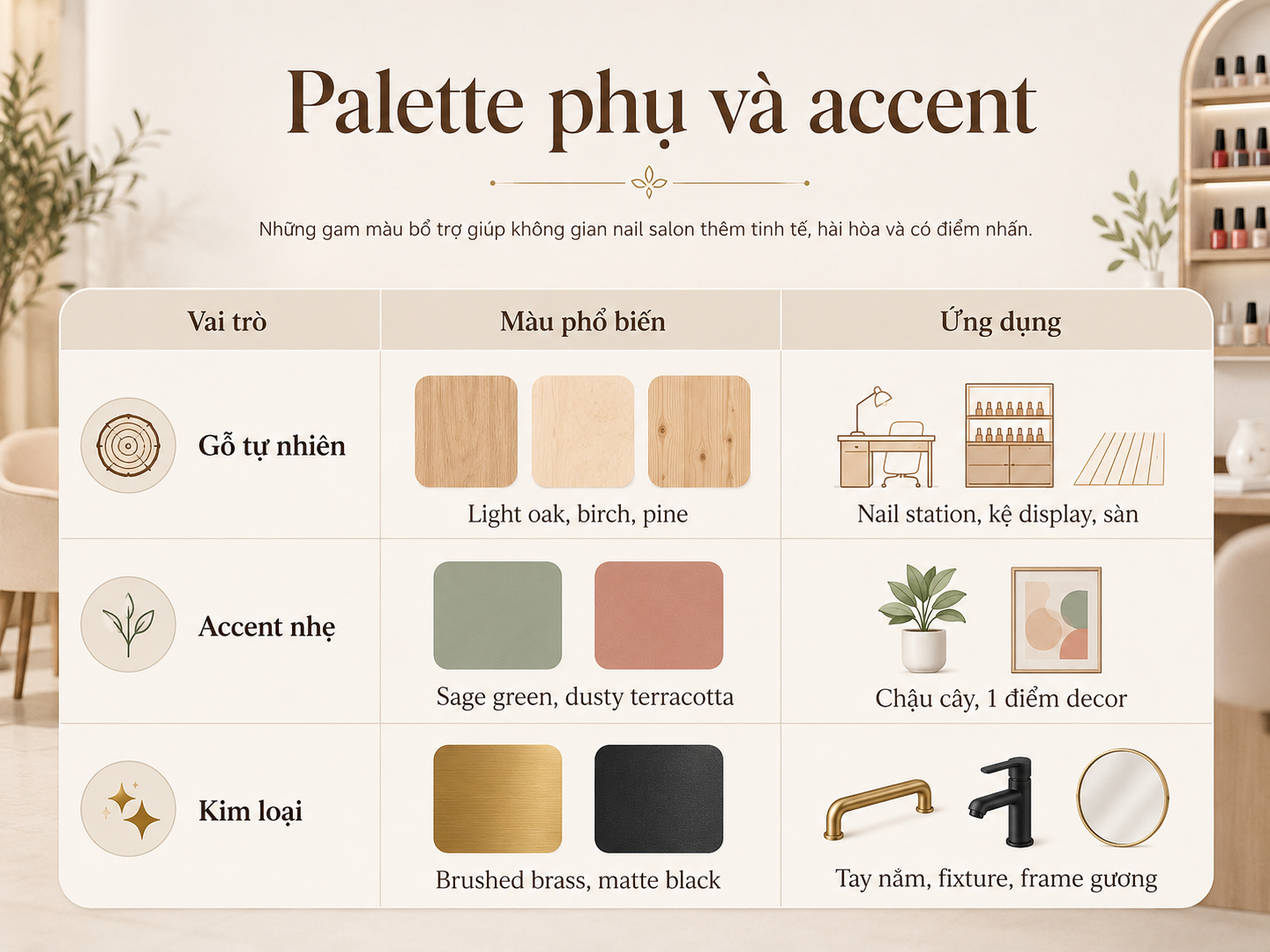
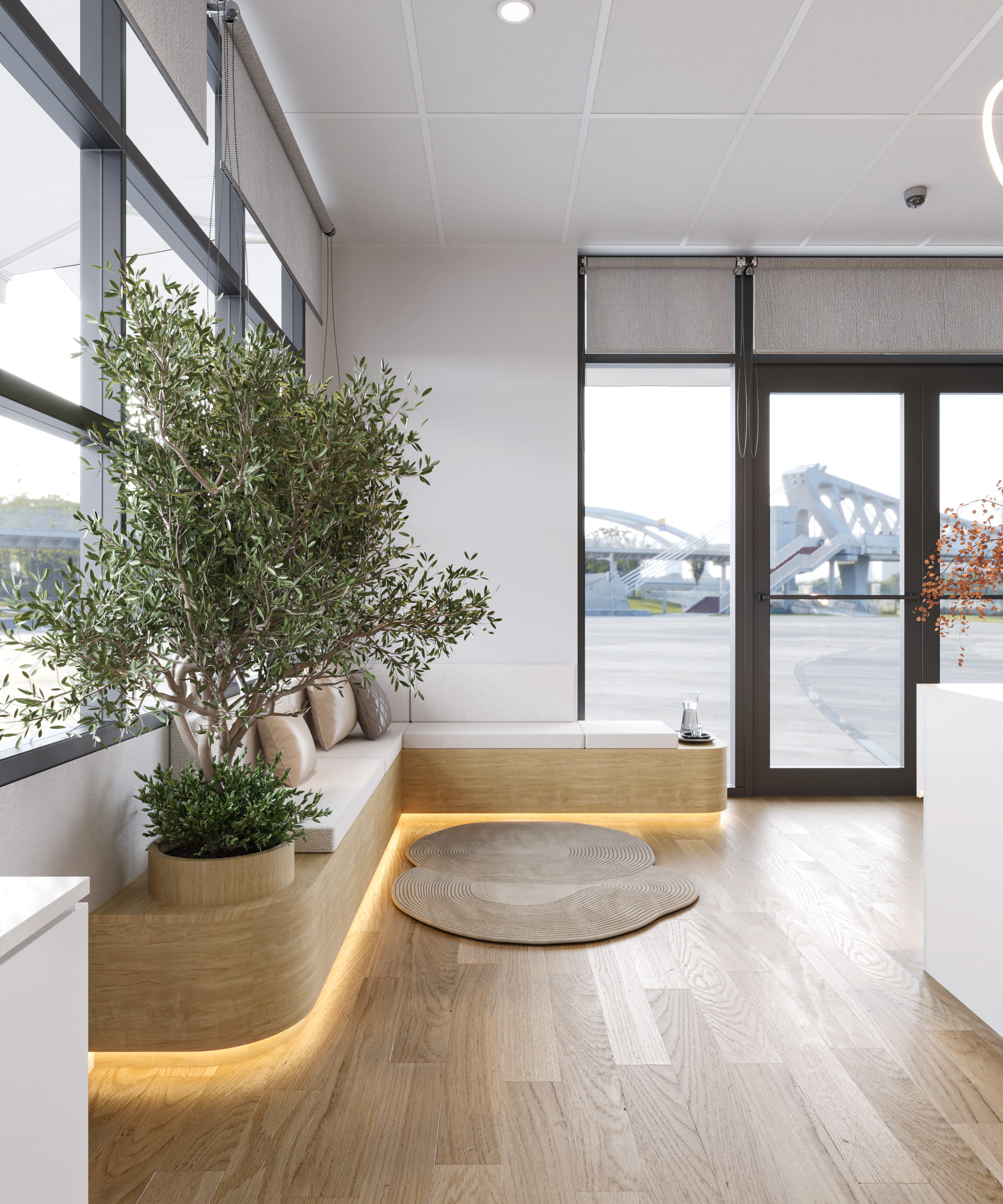
Second, natural materials - light wood (oak, birch, pine), subtle stone texture, linen or boucle fabric. These materials create visual depth without adding more color.
Third, diffused warm lighting - no harsh direct light, no hard shadows. Korean style lighting typically comes from multiple small sources rather than one or two dominant fixtures.
Fourth, intentional plants - two or three green plants placed deliberately throughout the salon, not plants scattered everywhere. In the right position, a plant creates a living focal point. In the wrong position, it's just another thing to clean around.
Fifth, designed empty space - this is the clearest difference from other styles. Korean minimalism leaves intentional empty space: counter surfaces stay clear, walls hold only what's necessary, zones breathe between each other. Empty space is part of the design, not area waiting to be filled.
2. Palette, Colors, and Materials
Wall color
Warm white and cream are the most common choices: bright enough to keep the space open, warm enough to avoid feeling cold or impersonal. Light greige (warm gray) works when you want more depth without losing the brightness.
Avoid: cool-toned gray, stark bright white, and any dark tone across significant wall areas.
Secondary palette and accent
Flooring
Light wood vinyl plank or engineered wood is the optimal choice: easy to clean, warm-looking, consistent with a neutral palette. Stone-look tile in a light tone is a more durable alternative that holds up better against chemical exposure in the nail service area.
Nail station surface
Marble-look sintered stone or solid white/cream surface material: clean, easy to wipe, chemical-resistant, and visually consistent with the overall palette.
3. Furniture and Equipment Choices
Nail stations
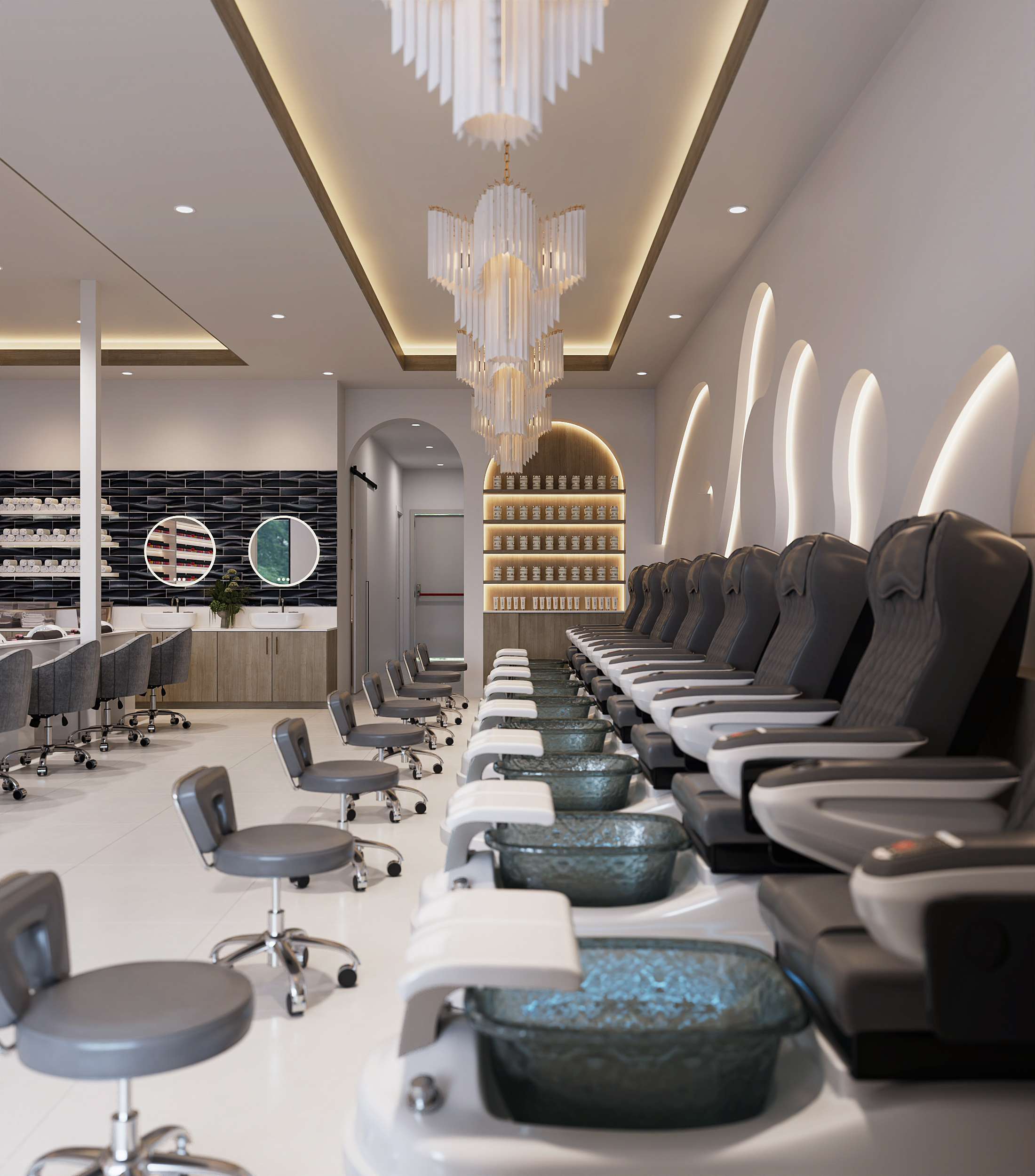
Choose slim-profile nail stations with clean lines and no excess decorative detailing. Simple legs - no ornate or high-chrome styling. Color: white, off-white, or light wood tone. Avoid dark-colored or visually complex stations that pull focus from the space's neutral base.
Pedicure chairs
This is where many salon owners run into conflict with Korean style: dark or wine-colored pedicure chairs are popular but break the palette. Full white chairs aren't the only option - cream, light gray, or greige chairs maintain the aesthetic and are easier to keep looking clean than pure white. The key is avoiding chairs so visually dominant in color that they fight everything else in the room.
Reception counter
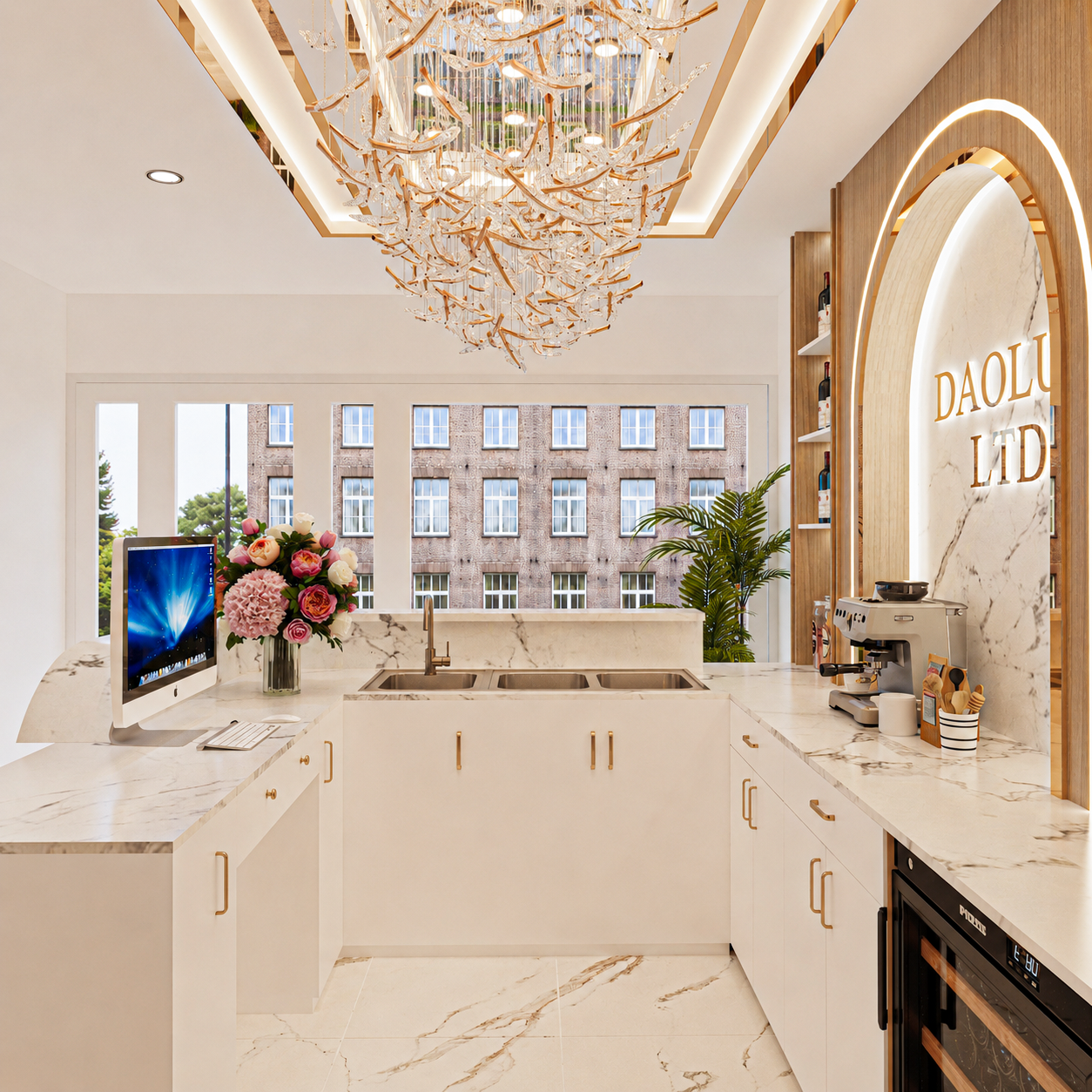
Simple, clean, cleared of everything that doesn't need to be there. Korean-style reception counters are often slightly lower than standard to feel more welcoming. Material: marble-look, solid white, or light wood panel. No menus on the surface, no retail products on display, no personal items - those belong in drawers or behind the counter.
Nail polish display
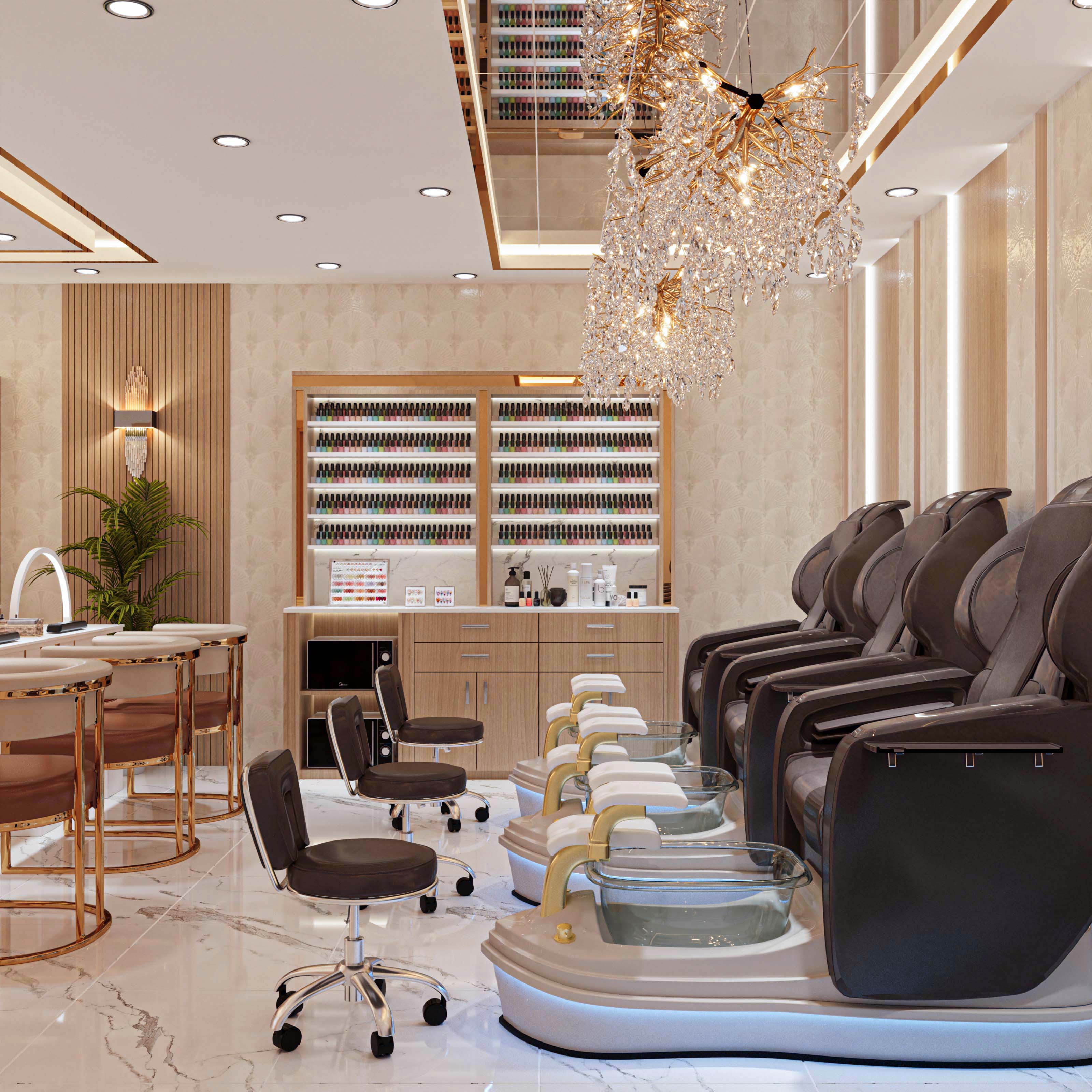
Organized by color gradient rather than by brand. Wall-mounted light wood or white metal shelving - not freestanding plastic racks. The polish display organized by color is one of the most photographed details in any well-executed Korean style salon and generates consistent social media sharing.
Plants
Pothos, monstera, and snake plant tolerate chemical environments and artificial light - the three best fits for nail salon conditions. Placement: one larger plant at reception, one mid-size in the waiting area, one or two small plants along the station row. Planters: white ceramic or natural terracotta - not colored plastic.
4. Why Korean Style Works in the US Market
The US nail market is "spa-ifying" - clients want more than good nails. They want the experience of being taken care of. Korean style is the only design direction that delivers that spa feeling without requiring a spa budget.
Why it works with both Vietnamese-American and American clients:
Vietnamese-American clients, especially younger generations, have strong exposure to Korean aesthetics through K-dramas, K-beauty, and social media. A Korean-style space creates a sense of quality and familiarity that other design directions don't.
American clients respond to clean, clear spaces. An open, light, uncluttered environment signals cleanliness and professionalism the moment someone walks in - before a single service begins.
Korean style also photographs consistently well. Clients sitting in a well-designed space have a natural background for nail photos, selfies, and salon shots. Each post generates organic visibility on their followers' feeds — free marketing that repeat-visits sustain over time.
For a full breakdown of which design style fits which market and client base, see nail salon design ideas for the US market.
5. How to Apply It at Different Budget Levels
Level 1: Cosmetic Refresh ($3,000–$8,000)
Achieving Korean style without replacing furniture:
Repaint walls in the correct palette - warm white or cream, replacing anything currently too dark or too cool-toned. Replace all lighting with recessed warm white fixtures at 2,700–3,000K. Add two or three plants in the right positions. Reorganize the nail polish display by color gradient and replace plastic racks with wood or white metal shelving. Clear every counter and wall surface - remove anything that doesn't need to be there.
Result: the salon reads 60–70% differently without replacing a single piece of furniture.
Level 2: Partial Redesign ($15,000–$35,000)
Building on Level 1: replace nail stations with slim-profile, light-tone models. Replace pedicure chairs with neutral-tone versions. Refinish flooring with light vinyl plank or stone-look tile. Build a new reception counter in marble-look or solid light material. Add full-length mirror panels behind the station row.
Level 3: Full Redesign ($45,000–$80,000)
Complete redesign from 3D concept through construction. Custom logo wall. Bespoke nail stations and reception counter built to the design. Full lighting, flooring, and wall system per unified drawings. This level produces the clearest visual differentiation and generates enough marketing content for two to three years of consistent social presence.
See the 3D design-before-construction process in detail at nail salon 3D design service.
FAQ
Does Korean style work for nail salons in all US states?
Yes. Korean minimalist is stylistically neutral - it's not regionally specific and doesn't depend on location type. It works equally well in suburban strip malls and downtown urban settings because it generates a quality feel that doesn't require a prime location to be effective.
Is Korean style more expensive than a standard nail salon design?
Not necessarily. Korean style removes decoration rather than adding it - which in practice costs less than maximalist approaches. Higher costs only appear when using premium materials like real sintered stone or custom furniture. A Level 1 cosmetic refresh achieves the aesthetic for $5,000–$8,000.
What wall color works best for Korean style?
Warm white (not stark cold white) or cream is the most reliable choice. More specifically: if the space has strong natural light, cream or soft beige; if artificial lighting dominates, warm white to prevent the space from reading yellow. Light greige is a strong third option when more depth is needed.
Can Korean style work in a small nail salon?
Korean style is actually the most functionally suited design for small spaces. Light palette, minimal decor, proportionally scaled furniture - all of these make a small space read larger than it is. See small nail salon design in the US for layout-specific guidance.
Where do US nail salon owners find Korean-style furniture?
Slim-profile nail stations and neutral pedicure chairs from nail equipment suppliers like DIR, Belava, or LCL Beauty. Display shelves and accent decor: IKEA for budget-friendly light wood and white metal options. Target or CB2 for accent pieces. Custom furniture built to specific drawings is part of a full redesign engagement.
Conclusion
Three things to carry into any Korean style nail salon project in the US:
First, Korean style is a discipline, not an expensive aesthetic. Removing what doesn't belong is harder than adding more and it costs less. A salon reads as Korean style when it has few things in the right places, not when it has many beautiful things.
Second, palette and lighting create 80% of the impression. Replacing furniture while keeping dark walls and cold lighting will not produce a Korean style result. Get those two right before investing in anything else.
Third, Korean style generates organic marketing. Clients photograph themselves in well-designed spaces and share to social media - each post reaching their followers without any advertising spend. That cycle compounds over time in a way most paid marketing doesn't.
If you're considering converting your salon to Korean style and want to see the actual result before committing to construction, Spencil handles the full process from concept through completed 3D design.
📞 888-995-0058
📍 535 Mission St, San Francisco, CA 94105
🌐 spencil.co
📩 facebook.com/spencilco

Hien Tran is a Content Researcher at Spencil, collaborating closely with designers and business owners on nail salon, spa, coffee, and retail projects throughout the United States. Her work is grounded in real project experience, market trends, and industry best practices, providing business owners with practical insights to enhance customer experience, optimize space planning, and maximize investment value.